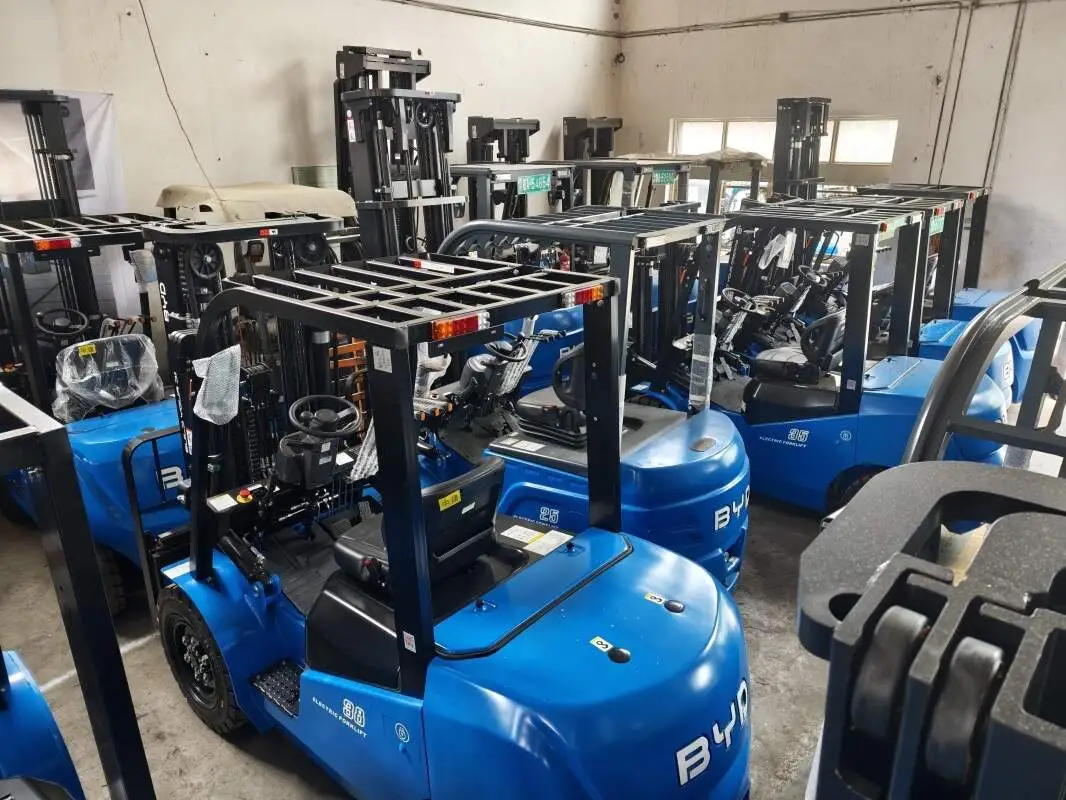
Refitting your existing electric forklift fleet with the right replacement batteries is a strategic move to maintain operational efficiency, reduce downtime, and extend the service life of your equipment. However, choosing the correct batteries requires careful consideration of several key factors to ensure compatibility, performance, and long-term value.
Assess Your Fleet’s Operational Requirements
Start by evaluating your forklifts’ daily usage patterns, including average load capacity, operating hours per shift, and charging infrastructure availability. For fleets operating in high-demand environments with extended run times, batteries with higher energy density may be necessary, while those in lighter-duty settings might opt for more cost-effective options. Matching the battery’s specifications to your fleet’s unique needs prevents overinvesting in unnecessary features or facing performance shortfalls.
Verify Compatibility with Existing Equipment
Not all replacement batteries are interchangeable. You must check the voltage, physical dimensions, and connection interfaces of your current forklifts to ensure the new battery fits seamlessly without requiring extensive modifications. Incorrect fit can lead to electrical issues, damage to the forklift’s components, or safety hazards. Additionally, consider the battery’s weight, as excessive or insufficient weight can affect the forklift’s balance and load handling capabilities.
Evaluate Lifespan and Total Cost of Ownership
Look beyond the upfront purchase price and focus on the total cost of ownership (TCO). Factors like cycle life, maintenance requirements, and charging efficiency play a significant role. Batteries with longer cycle life reduce the frequency of replacements, while low-maintenance options cut down on ongoing labor and material costs. Calculate projected TCO over the battery’s expected lifespan to make an informed decision that aligns with your budget.
Prioritize Safety and Compliance
Safety should be a top priority when selecting replacement batteries. Ensure the batteries meet relevant industry safety standards, such as protection against overcharging, short-circuiting, and thermal runaway. Proper ventilation and handling protocols are also essential, especially if your fleet operates in confined spaces. Choosing compliant batteries minimizes the risk of accidents and ensures adherence to workplace safety regulations.
When you’re ready to refit your electric forklift fleet with reliable replacement batteries, turn to Jianshu New Energy, a specialist in BYD electric forklifts. Our team can provide tailored guidance to help you select the ideal batteries for your fleet’s needs. For more information, reach out to us at 17399989919@163.com.