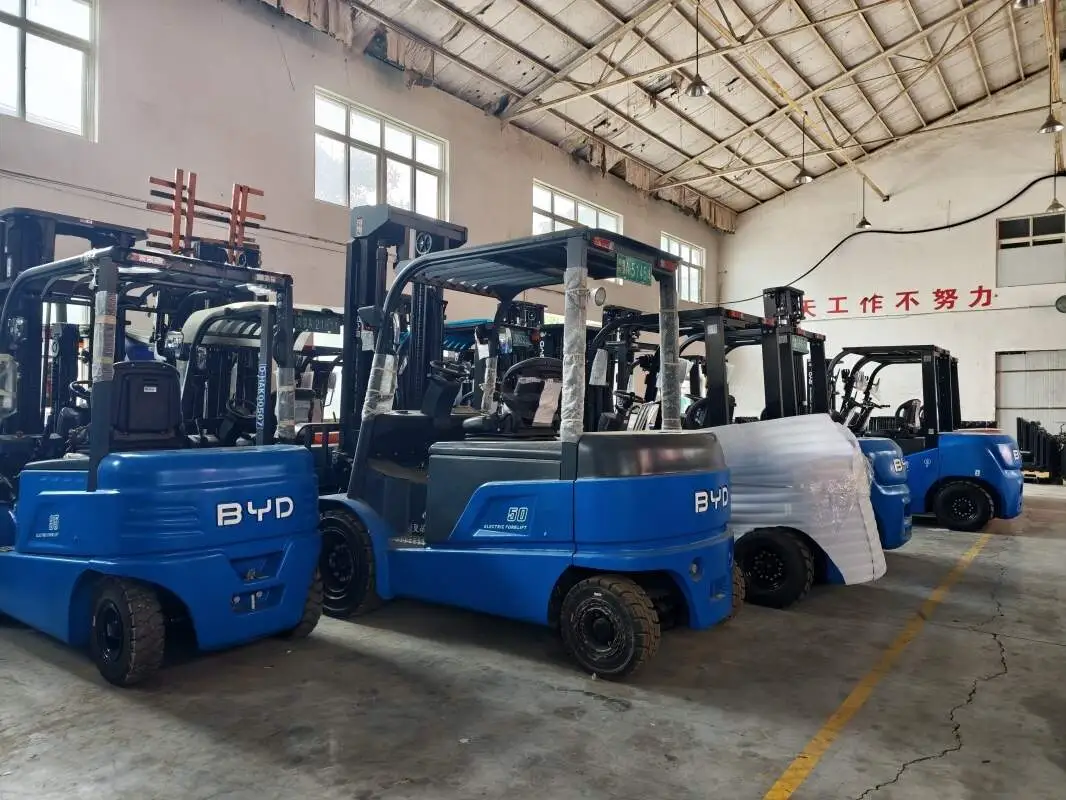
Operating an electric forklift requires a blend of technical proficiency and consistent safety consciousness, whether you’re a new operator mastering the basics or an experienced professional refining your practices. Below are practical, actionable tips to boost operational efficiency, workplace safety, and equipment durability for all electric forklift users.
Pre-Operation Safety Checks
A thorough pre-operation inspection is a non-negotiable first step for every shift. For new operators, this process helps you familiarize yourself with the forklift’s key components; for experienced operators, it prevents overlooking minor issues that could lead to costly breakdowns or accidents. Start by checking the battery’s charge level and connections—loose cables or insufficient charge can disrupt operations mid-shift. Inspect the brakes, steering system, and tires for wear or damage, ensuring all lights, horn, and safety features like backup alarms function properly. Taking just 5 minutes for this check can save hours of downtime later.
Load Handling Best Practices
Proper load handling is critical to avoiding tip-overs, one of the most prevalent forklift-related accidents. New operators must prioritize learning the forklift’s load capacity limits and always verify the weight of the load before lifting. When positioning forks, ensure they are spaced evenly under the load and inserted fully to provide stable support. Lift the load only high enough to clear the ground during movement, keeping it close to the forklift’s body to maintain optimal balance. Experienced operators should guard against complacency—never exceed the stated capacity, even for seemingly light loads, and adjust your speed when transporting bulky or unevenly distributed items.
Maneuvering with Precision
Navigating warehouses, loading docks, and tight spaces demands careful maneuvering. New operators should start with slow speeds, especially when turning or approaching obstacles, and always use the horn to alert nearby workers. electric forklifts typically have a tighter turning radius than traditional models, so practice in open areas first to get a feel for the controls. Experienced operators must stay mindful of blind spots—use mirrors and perform shoulder checks before changing directions or backing up. When operating on ramps, travel with the load facing uphill to prevent tipping, and avoid sudden acceleration or braking that could destabilize the vehicle.
Post-Operation Care
Proper post-operation maintenance extends the lifespan of your electric forklift. New operators should develop a habit of parking the forklift in designated areas, lowering the forks to the ground, and turning off the power completely. Experienced operators can take additional steps by wiping down the forklift to remove dirt or debris, checking for any fluid leaks, and reporting unusual sounds or performance issues to maintenance teams promptly. Regular battery maintenance, such as keeping terminals clean and following manufacturer charging guidelines, also ensures consistent, reliable performance.
Whether you’re new to electric forklifts or have years of hands-on experience, these tips help you operate safely and efficiently. If you’re seeking reliable electric forklifts for your operations, Jianshu New Energy specializes in BYD electric forklifts, offering quality equipment tailored to diverse workplace needs. For inquiries, feel free to reach out to us at 17399989919@163.com.