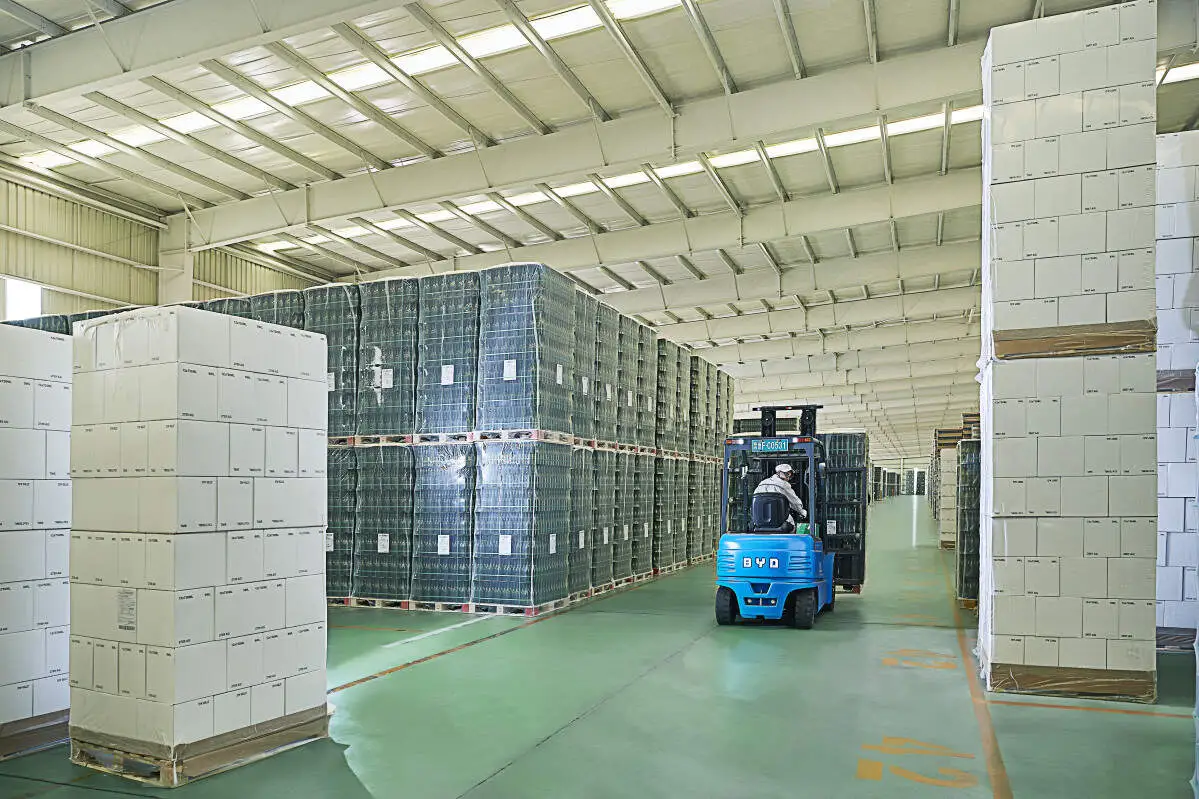
electric forklifts are integral to streamlining day-to-day warehouse operations, enabling efficient movement of heavy materials while reducing manual labor strain. However, safe and proficient operation is critical to prevent workplace incidents, protect personnel, and maintain productivity. This practical guidance outlines essential best practices for forklift operators to follow during daily warehouse activities.
Before starting any task, conduct a thorough pre-operation inspection to ensure the forklift is in working order. Begin by checking the battery level—low power can lead to unexpected shutdowns mid-task. Inspect brake systems for responsiveness, ensuring they engage smoothly without delay. Verify that all lights, including headlights and warning beacons, are functional to enhance visibility in dimly lit warehouse areas. Examine tires for signs of wear or damage, as compromised tires can affect stability during operation. Finally, confirm that the fork carriage and tines are free of debris and properly aligned.
Proper load handling is a cornerstone of safe forklift operation. Start by assessing the weight and dimensions of the load to ensure it falls within the forklift’s rated capacity—overloading can cause tip-overs, a leading cause of warehouse accidents. Position the forks evenly under the load, ensuring they reach fully beneath the pallet to distribute weight balancedly. Lift the load just enough to clear the ground (typically 4-6 inches) when moving, avoiding excessive height that can compromise stability. When unloading, lower the load slowly and ensure it is securely placed before retracting the forks. Never leave a raised load unattended, as this poses a significant safety hazard.
Warehouse aisles often have limited space and high foot traffic, requiring careful navigation. Adhere to posted speed limits—usually 5 mph in most warehouse zones—to maintain control and react quickly to unexpected obstacles. Always use the horn when approaching blind corners or intersections to alert pedestrians and other operators. Maintain a safe distance from other forklifts and warehouse equipment to avoid collisions. Be mindful of overhead obstacles such as pipes or storage racks, ensuring the load height does not exceed clearance limits. When reversing, use rearview mirrors and if needed, a spotter to guide you, as rear visibility is often restricted.
After completing tasks, follow proper post-operation protocols to ensure the forklift is ready for its next use. Park the forklift in a designated area, away from walkways or emergency exits. Lower the forks to the ground, engage the parking brake, and turn off the power. Conduct a quick visual inspection to check for any damage incurred during operation, such as bent tines or battery leaks, and report any issues to maintenance staff immediately. Clean any debris or spilled materials from the forklift to prevent buildup that can affect performance over time.
In addition to pre and post-operation checks, regular maintenance is key to extending the forklift’s lifespan and preventing breakdowns. Clean the battery terminals regularly to prevent corrosion, which can reduce power efficiency. Inspect hydraulic systems for leaks, as low fluid levels can impede lifting capabilities. Lubricate moving parts such as fork hinges and steering components to reduce friction and wear. Follow the recommended maintenance schedule for more in-depth checks, including battery replacement and brake system servicing.
By following these practical guidelines, forklift operators can enhance workplace safety, improve operational efficiency, and reduce the risk of equipment damage. Consistent adherence to these practices creates a safer environment for all warehouse personnel while ensuring that daily material handling tasks are completed smoothly and reliably.