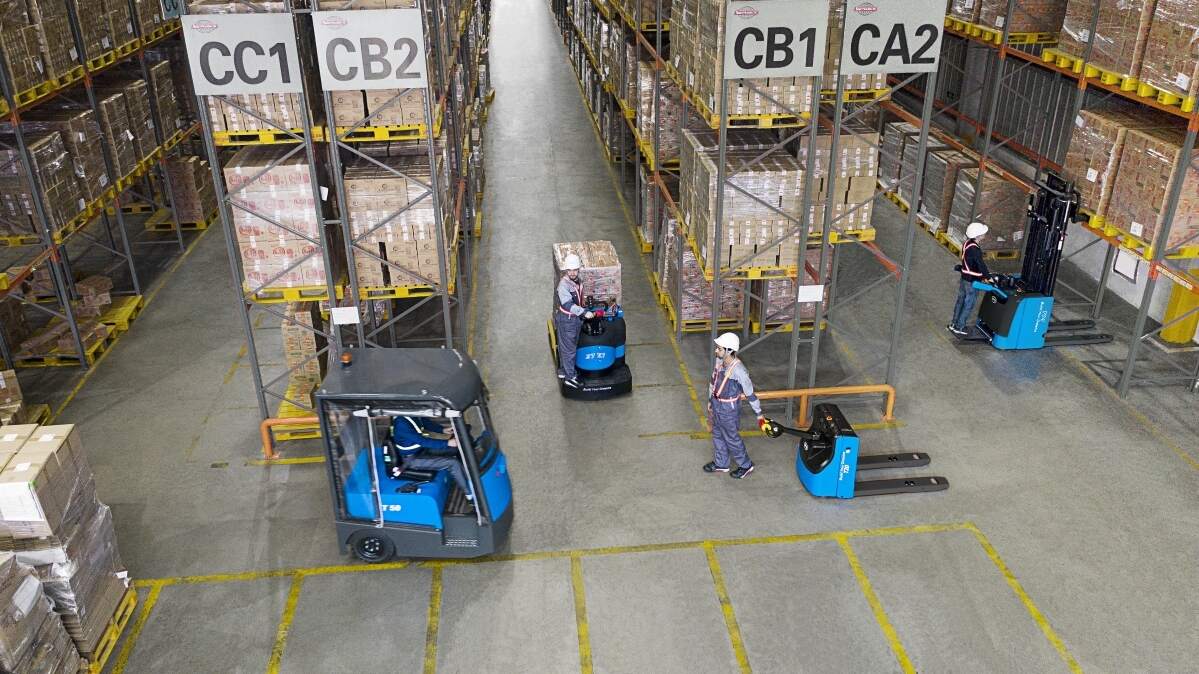
Warehouse efficiency hinges on smart layout design, and electric forklifts paired with tailored storage accessories play a pivotal role in maximizing space and streamlining daily operations. Many warehouses grapple with wasted vertical space, inefficient material handling, and bottlenecks that slow task completion. Choosing the right forklift storage accessories can address these pain points, turning cluttered areas into organized, high-functioning zones.
Side shifters are a fundamental accessory for electric forklifts, enabling operators to adjust forks horizontally without repositioning the entire vehicle. This capability reduces the need for wide aisles, allowing warehouses to narrow passageways and allocate more space to storage. By eliminating precise alignment requirements when picking up or placing pallets, side shifters cut down on maneuvering time, optimizing both horizontal and vertical storage layouts.
Fork positioners let operators adjust fork distance quickly and safely, accommodating different pallet sizes and load types without leaving the cabin. This flexibility means warehouses can store a wider range of items in the same area, reducing dedicated zones for specific pallet sizes. With fork positioners, operators can efficiently use vertical racking systems, aligning forks precisely with rack levels to minimize damage to loads and racks while maximizing vertical space usage.
Load backrest extensions secure tall or unstable loads during transport and storage. By preventing items from shifting or falling, these accessories allow safe higher stacking, unlocking valuable vertical storage space. They also let operators navigate narrow aisles confidently, as secured loads are less likely to collide with racking or other structures, reducing damage risks that disrupt layout efficiency.
Specialized pallet rack attachments, like push-pull devices or slip sheet handlers, expand electric forklift capabilities to handle non-palletized loads or different pallet types. These attachments eliminate the need for extra storage equipment or dedicated zones for specific load formats. For example, push-pull devices handle slip sheets instead of wooden pallets, reducing space occupied by empty pallets and enabling denser storage configurations.
Investing in these practical accessories is a cost-effective way to optimize warehouse layout without major structural changes. By improving space utilization, cutting maneuvering time, and enhancing load handling flexibility, they help warehouses operate more efficiently, meet growing storage demands, and reduce operational costs. When selecting accessories, assess your warehouse’s specific needs—such as load types, racking systems, and daily operational volume—to choose tools aligned with your layout optimization goals.