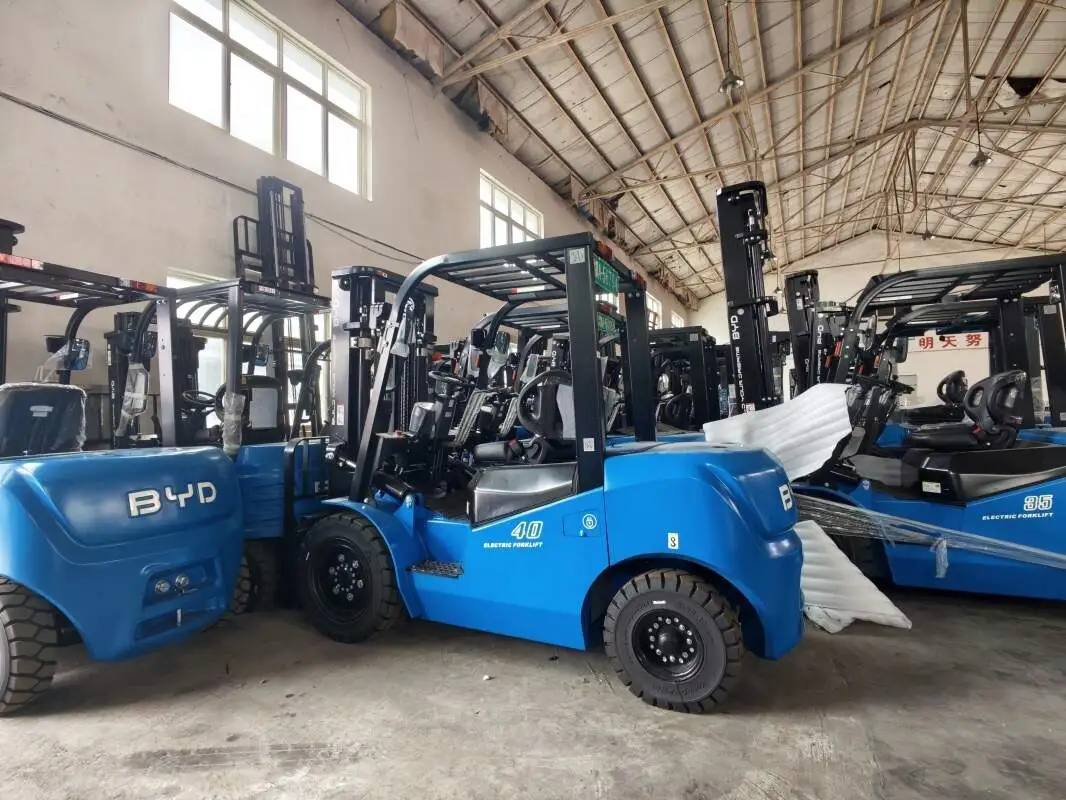
forklift operations are a common yet high-risk component of many workplace environments, from warehouses to manufacturing facilities. A Job Safety Analysis (JSA) serves as a critical tool to mitigate risks, ensuring every forklift activity is planned and executed safely. Practical JSA template references provide a structured framework to guide teams through identifying hazards, evaluating risks, and implementing targeted control measures, ultimately fostering a safer work environment.
When building a JSA template for forklift activity plans, start with detailed task breakdowns. Break down each forklift operation into sequential steps—such as pre-operation inspection, loading/unloading materials, transporting loads across the facility, and post-operation parking. Each step should be clearly defined to leave no room for ambiguity. For example, the pre-operation inspection step might include checking brake functionality, tire pressure, and fluid levels. This level of detail ensures that every aspect of the forklift’s use is examined for potential safety gaps.
Next, the template should include a dedicated section for risk identification tied to each task step. For instance, during the loading phase, potential risks could include unstable load stacking leading to collapse, improper lifting causing load shift, or accidental contact with overhead structures. In transport, risks might involve collisions with pedestrians or other equipment, particularly in high-traffic areas or zones with limited visibility. Encourage teams to draw on past incident reports and on-the-ground experience to ensure all plausible risks are captured in the template.
Once risks are identified, the JSA template must outline actionable control measures to reduce or eliminate each hazard. For unstable loads, control measures might include training operators to stack loads evenly and use appropriate securing devices. To address collision risks, measures could involve implementing designated pedestrian walkways, installing warning signs in blind spots, and enforcing speed limits within the facility. It’s important to prioritize control measures using the hierarchy of controls—starting with elimination and substitution, then moving to engineering, administrative, and personal protective equipment (PPE) solutions.
Effective JSA templates also include sections for assigning responsibilities and documenting training. Clearly state who is responsible for each task, who conducts pre-operation checks, and who oversees safety compliance. Additionally, the template should reference training requirements, ensuring that all operators are properly certified and trained on specific forklift models and workplace protocols. Regular reviews and updates to the template are essential too; as workplace layouts change or new equipment is introduced, the JSA should be revised to reflect these updates and maintain its relevance.
Incorporating practical JSA template references into forklift workplace activity plans is not just a regulatory requirement—it’s a proactive approach to protecting both employees and assets. By following a structured template that covers task breakdowns, risk identification, control measures, and ongoing maintenance, organizations can significantly reduce the likelihood of forklift-related incidents. Remember, the goal of a JSA is not just to create a document, but to foster a culture of safety where every operator understands and adheres to best practices in forklift operations.