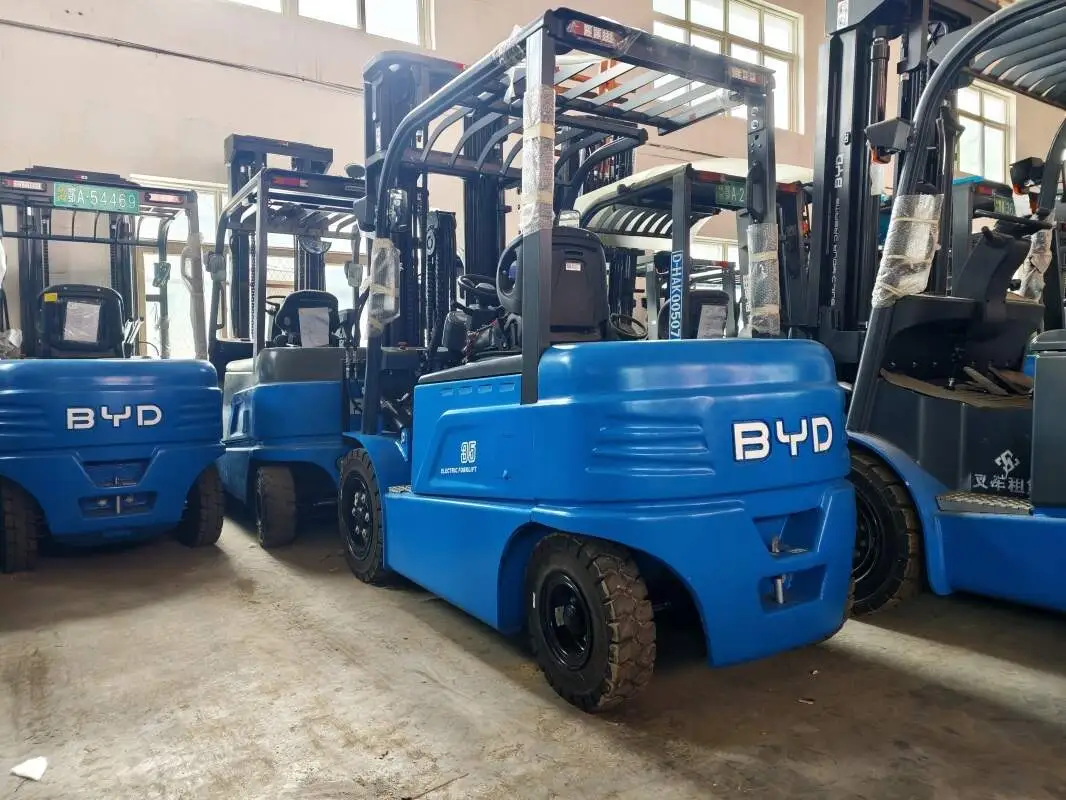
Indoor warehouses rely heavily on electric forklifts for efficient material handling, but their operating noise can create a disruptive and potentially non-compliant workspace. Excessive noise not only affects employee comfort but may also violate occupational safety standards, making proactive noise reduction a critical priority for warehouse managers.
One of the most foundational measures to lower forklift noise is regular preventive maintenance. Over time, worn components such as tires, brake pads, and motor bearings can generate significant noise during operation. Conducting weekly inspections to check for tire wear—replacing worn or unevenly treaded tires with low-noise, solid rubber variants—can reduce vibration-related noise. Additionally, ensuring proper lubrication of pivot points, chains, and motor parts minimizes friction, which is a common source of high-pitched noise. Loose bolts and panels should be tightened promptly, as rattling components amplify overall noise levels in enclosed warehouse spaces.
Optimizing operational practices is another effective strategy to cut down on unnecessary noise. Forklift operators should be trained to avoid sudden acceleration, hard braking, and sharp turns, all of which increase noise output and wear on equipment. Implementing designated travel routes that reduce the need for frequent stops and turns can also lower noise, as can encouraging operators to maintain a steady, moderate speed. Furthermore, limiting the use of forklifts in high-traffic areas during peak employee work hours and designating quiet zones for sensitive tasks can mitigate noise disruption across the warehouse.
Enhancing the warehouse’s acoustic environment plays a key role in absorbing and reducing noise. Installing sound-absorbing materials on walls, ceilings, and even storage racks can help trap reverberating noise, preventing it from bouncing around the enclosed space. Flooring modifications, such as adding rubberized or epoxy coatings, can reduce vibration transfer from forklifts to the building structure, which in turn lowers overall noise levels. For warehouses with dedicated forklift charging or maintenance areas, installing sound barriers or enclosing these zones can contain noise to specific areas, preventing it from spreading to workstations.
Finally, targeted equipment adjustments can further reduce noise output without compromising performance. Adding acoustic insulation to the forklift’s motor compartment or operator cabin can block direct noise emission. Replacing standard hydraulic hoses with low-vibration alternatives can reduce the hum associated with hydraulic systems. Some warehouses also find that adjusting the forklift’s exhaust system—where applicable—to redirect noise away from work areas helps minimize disruption. It’s important to note that all equipment modifications should be carried out in line with manufacturer guidelines to ensure safety and operational efficiency.
By combining these practical measures, warehouse managers can create a quieter, more compliant workspace while maintaining the operational efficiency that electric forklifts provide. Regular maintenance, optimized operations, acoustic upgrades, and targeted equipment tweaks work together to address noise at its source, benefiting both employee well-being and overall warehouse productivity.