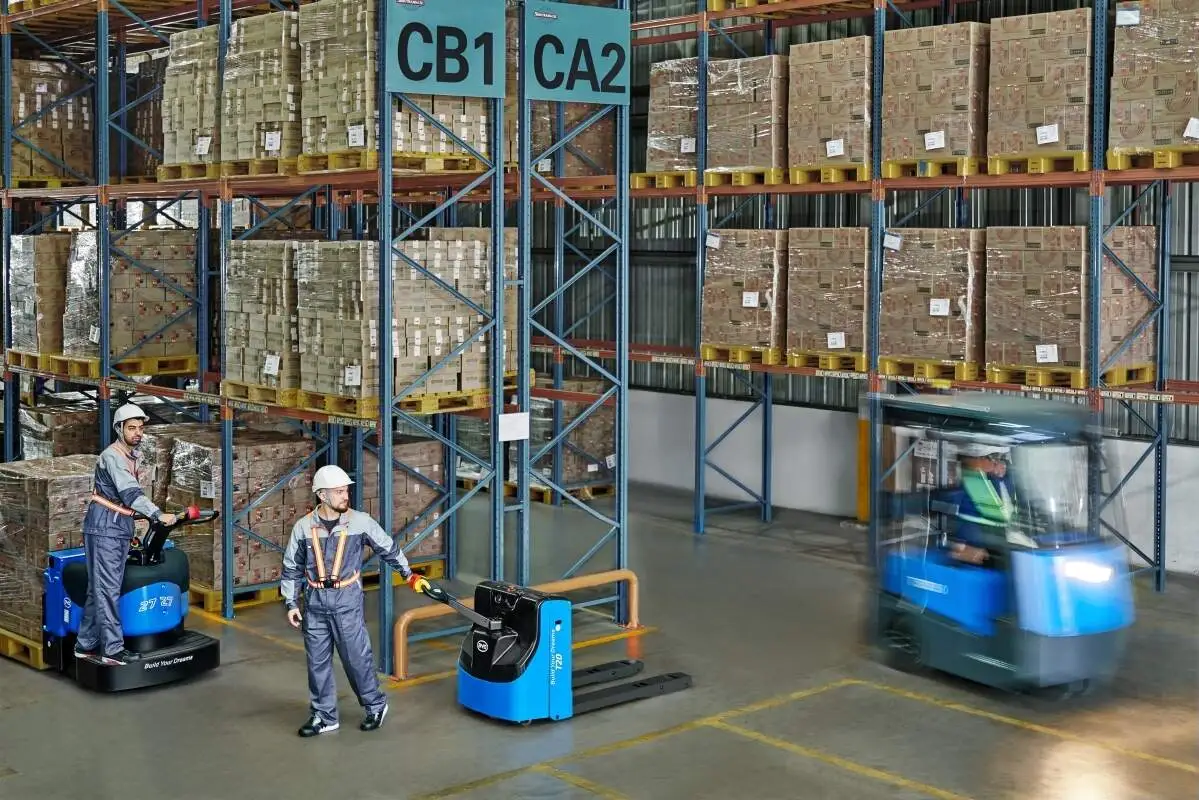
electric forklifts are a staple in warehousing, logistics, and manufacturing, where operating proficiency directly impacts productivity, safety, and operational efficiency. Mastering their use requires more than basic training—it demands consistent practice, attention to detail, and a commitment to continuous improvement. Below are actionable, compliance-aligned methods to elevate your forklift operating skills.
First, invest in structured, comprehensive initial training that goes beyond the minimum regulatory requirements. While foundational courses cover basic controls and load handling, advanced modules focused on real-world scenarios can bridge the gap between theory and practice. For example, training sessions might simulate narrow aisle navigation, uneven surface operation, and high-load stacking to prepare operators for common workplace challenges. This training should also include lessons on load weight calculation, center of gravity principles, and emergency response procedures, ensuring operators understand not just how to move the forklift, but why certain actions are critical for safety and stability.
Regular hands-on practice is another key to improving proficiency. Set aside dedicated time each week for targeted drills that address specific skill gaps. If you struggle with precise pallet placement, repeat stacking and unstacking exercises with varying load sizes. For operators working in busy facilities, practice maneuvering around obstacles or coordinating with other equipment operators to enhance spatial awareness and reaction time. Consistent practice helps turn deliberate actions into muscle memory, allowing operators to respond quickly and confidently during high-pressure situations.
Integrating safety protocols into daily operations is inseparable from building proficiency. Safe operating habits, such as conducting pre-shift inspections of battery levels, brake functionality, and tire condition, not only prevent accidents but also help operators develop a deeper understanding of the forklift’s mechanics. Adhering to speed limits, using horn signals appropriately, and maintaining clear visibility by adjusting mirrors and checking blind spots should become automatic routines. Over time, these practices enhance overall control and reduce the risk of errors that can disrupt operations or cause harm.
Understanding basic forklift maintenance can also boost operating proficiency. Operators who know how to identify minor issues—like unusual noises during operation or reduced battery performance—can address them early, preventing unexpected breakdowns that could hinder workflow. Learning to perform routine checks, such as cleaning battery terminals or ensuring hydraulic fluid levels are correct, fosters a sense of responsibility for the equipment and helps operators anticipate how maintenance status might affect handling and performance.
Finally, seek continuous feedback and engage in self-reflection. Ask experienced colleagues or supervisors to observe your operation and provide constructive input on areas for improvement. Recording short videos of your work can also help you identify subtle mistakes, like overcorrecting turns or misjudging load distances, that might go unnoticed in the moment. Regularly reviewing these observations and adjusting your approach ensures steady progress and keeps your skills sharp over time.
By combining structured training, deliberate practice, safety-focused habits, maintenance knowledge, and ongoing feedback, operators can significantly improve their electric forklift operating proficiency. This not only enhances individual performance but also contributes to a safer, more efficient workplace for everyone.