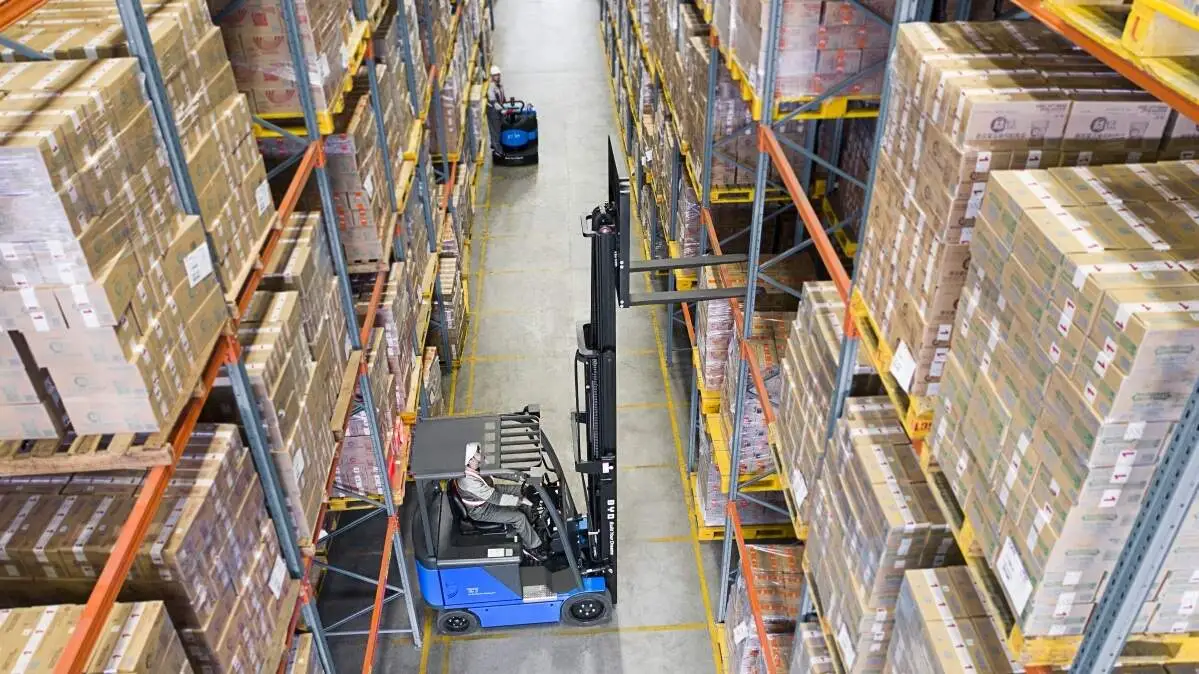
In industrial and warehouse settings, forklifts play a critical role in material handling, but their operation carries inherent risks. Clear communication between forklift operators and ground personnel is non-negotiable for site-wide safety, especially when noise levels are high or visual barriers exist. Forklift hand signals serve as a universal, reliable method to bridge communication gaps, ensuring smooth operations while minimizing accident risks.
Before diving into specific signals, it’s essential to establish foundational best practices. All personnel—including operators, spotters, and warehouse staff—must receive standardized training on hand signals to avoid misinterpretation. Signals should be performed with clear, deliberate movements, using bright gloves in low-light conditions to enhance visibility. Prior to starting any task, operators and ground teams should confirm mutual understanding of key gestures to prevent confusion.
Core hand signals can be categorized into three key groups: movement, load handling, and emergency commands. For movement, the "forward" signal involves extending one arm straight ahead with the palm facing up, making slow, forward sweeping motions. The "backward" signal uses the same arm position but with backward sweeps. Left and right turns are indicated by extending the corresponding arm horizontally and pointing in the desired direction. For load handling, "raise load" is signaled by clenched fists held at waist level, moving upward; "lower load" uses clenched fists moving downward. Tilting the load forward or backward involves extending one hand with fingers pointing upward or downward, respectively. Most crucially, the "stop" signal is a single arm extended straight out with the palm facing forward, held steady. The "emergency stop" requires crossing both arms quickly over the chest, a gesture that demands immediate operator response.
To integrate these signals effectively across a site, regular refreshers and drills should be conducted. Posting visual guides of key signals in high-traffic areas serves as a quick reference for all staff. Encouraging open feedback can also help identify gaps in training, ensuring that every team member feels confident using and interpreting hand signals. By prioritizing consistent use of standardized hand signals, sites can foster a culture of safety, reduce operational disruptions, and protect both personnel and assets.