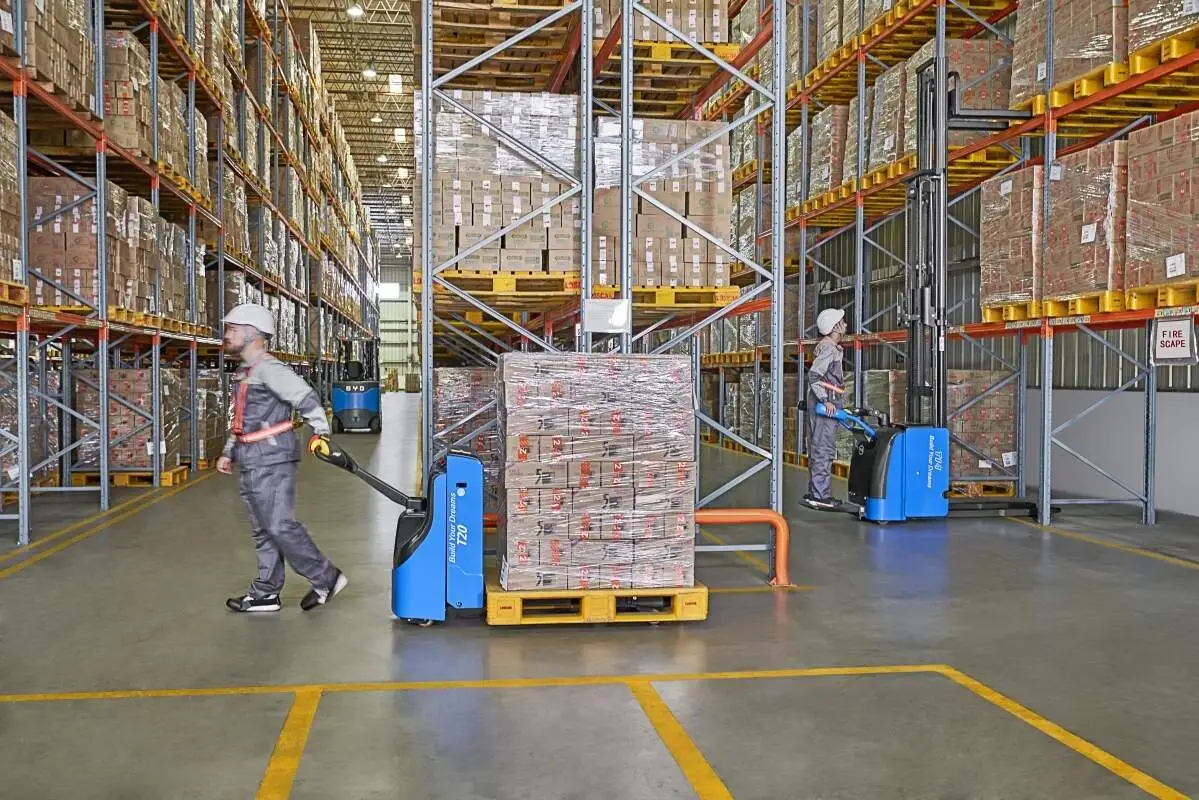
When considering a second-hand local forklift purchase, a thorough pre-purchase inspection is critical to avoid costly repairs and ensure safe operation. Start with the mechanical core components. Begin by checking the engine: listen for unusual noises like knocking or grinding while idling and during acceleration, and inspect for leaks of oil, coolant, or hydraulic fluid. Test the transmission by shifting through all gears smoothly; delays or jerks may indicate underlying issues.
Next, prioritize safety systems, as these are non-negotiable for workplace compliance. Inspect the brake system: test both service and parking brakes on flat and slightly inclined surfaces to ensure they engage firmly without slipping. Check all lights—headlights, taillights, turn signals, and warning beacons—to confirm they function correctly, and verify that the seatbelt, overhead guard, and emergency stop button are in good working order.
Then, assess the structural integrity of the forklift. Examine the frame for signs of cracks, dents, or weld repairs, especially around load-bearing areas. Inspect the mast and carriage for bending, excessive wear on chains or rollers, and smooth operation when lifting and lowering a test load (if permitted). Check the tires for uneven wear, deep cuts, or low tread, as worn tires can compromise stability and maneuverability.
Operational performance testing is also key. Test the forklift’s lifting capacity by handling a load close to its rated limit, ensuring the mast raises and lowers evenly without sway. Maneuver the forklift in tight spaces to check steering responsiveness and confirm there are no unusual vibrations. Ask the seller for maintenance records and usage history, including details on previous operators, regular service intervals, and any past repairs or accidents. A well-documented forklift is more likely to be reliable and have a predictable lifespan.
Finally, don’t overlook environmental factors specific to local listings. If the forklift has been used in harsh conditions like outdoor construction sites or cold storage facilities, check for corrosion or rust on metal components, and verify that hydraulic systems are protected against extreme temperatures. Taking the time to conduct these checks will help you make an informed decision and select a second-hand forklift that meets your operational needs safely and cost-effectively.