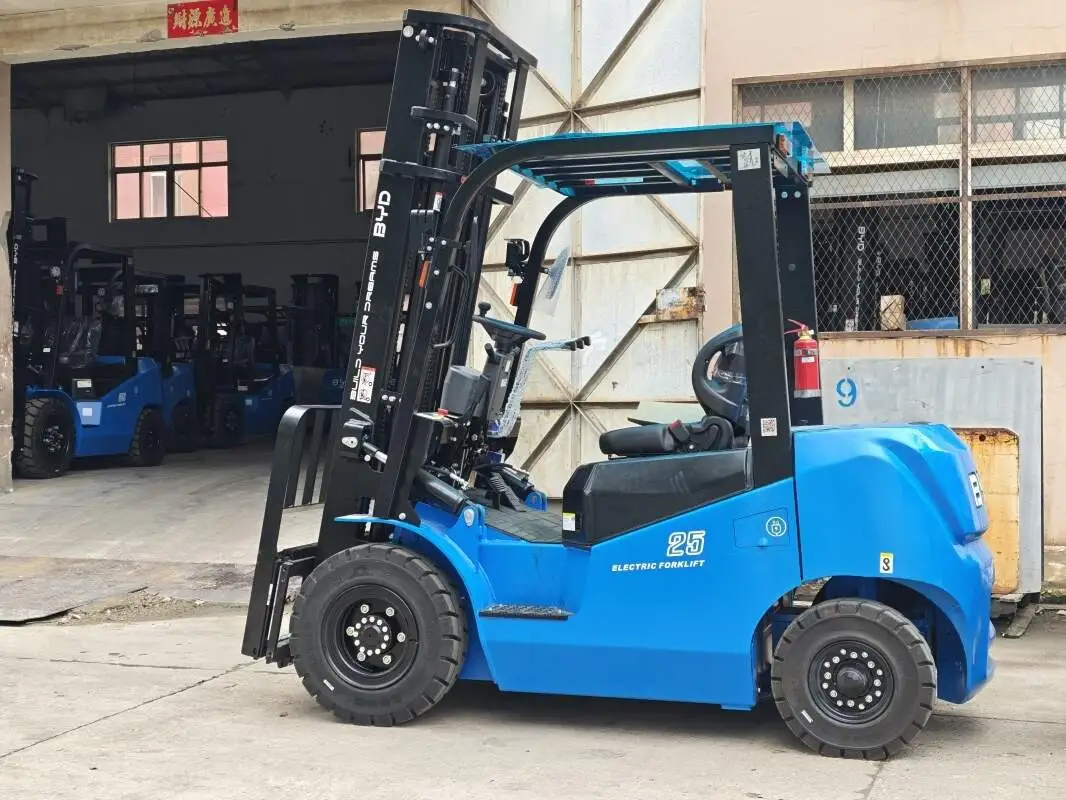
When considering a used forklift lifter sold directly by an owner, the potential for cost savings is appealing, but it also comes with risks of unobserved mechanical issues or hidden damage. A thorough pre-purchase inspection is critical to ensure you invest in a safe, reliable piece of equipment that meets your operational needs.
Exterior and Structural Inspection
Start with a visual walkaround of the forklift. Examine the main frame for signs of cracks, dents, or bent sections—these could indicate past accidents or overloading that compromises structural integrity. Check the forks for wear, bending, or cracks; uneven wear may point to improper usage, such as lifting loads off-center. Inspect the tires: look for excessive tread wear, cuts, or bulges, as worn tires affect stability and maneuverability. Also, check the mast for rust, bent rails, or loose components, as these can disrupt smooth lifting operations.
Core Component Evaluation
Next, focus on the forklift’s core systems. For electric models, inspect the battery: check for corrosion on terminals, ensure the casing is intact, and ask about its age and charging history—batteries are costly to replace, so verifying remaining lifespan is key. For internal combustion models, look for signs of oil or fluid leaks around the engine area; listen for unusual noises when starting the engine, such as knocks or rattles, which may signal engine issues.
Assess the hydraulic system by operating the lift and tilt functions. Watch for slow movement, jerky operations, or fluid leaks from hoses and cylinders—these could mean worn seals or low fluid levels that need immediate attention. Test the braking system: engage the brakes at different speeds to check for responsiveness, and listen for squealing or grinding sounds, which indicate worn brake pads or damaged rotors.
Functional and Operational Testing
Put the forklift through practical operational tests to evaluate its performance. Start by testing basic controls: steering, lifting, tilting, and lowering should feel smooth and responsive without delays. Check auxiliary features like headlights, tail lights, and horns to ensure they are functional, as these are critical for workplace safety.
If possible, perform a load test with a weight appropriate for the forklift’s rated capacity. Observe how the forklift handles the load: it should lift evenly without swaying excessively, and the hydraulic system should hold the load steady without drifting down. Pay attention to how the forklift maneuvers in tight spaces—difficulty turning may point to steering system issues.
Documentation Verification
Don’t overlook the importance of reviewing documentation. Ask the owner for maintenance and repair logs, which can provide insights into how well the forklift has been cared for. Look for regular service records, such as oil changes, filter replacements, and hydraulic fluid checks. Verify the ownership documents to ensure the seller has the legal right to sell the forklift, avoiding potential disputes later on. Also, confirm the forklift’s total operating hours and usage history—higher hours may indicate more wear, but consistent maintenance can offset this.
In conclusion, taking the time to conduct a comprehensive pre-purchase inspection can save you from costly repairs and safety hazards down the line. If you lack expertise in forklift mechanics, consider hiring a certified technician to assist with the inspection. By following these tips, you can make an informed decision and secure a used forklift that serves your business effectively.