The demand for compact small forklifts has been rising steadily in recent years, driven by the growing need for efficient material handling in tight spaces such as small warehouses, retail stores, and narrow manufacturing facilities. For businesses and operators looking to invest in a new unit, understanding the price landscape is essential to make a budget-friendly and suitable choice.
Several core factors influence the price of a new compact small forklift. First and foremost is the basic specification, including load capacity and lifting height. Entry-level models with a load capacity of 1 to 1.5 tons and a maximum lifting height of 3 to 4 meters typically fall at the lower end of the price spectrum, as they are designed for light-duty tasks in limited spaces. On the other hand, units with higher load capacities (up to 2 tons) and greater lifting heights (5 to 6 meters) will cost more, as they require sturdier construction and more powerful components to handle heavier loads and taller stacking needs.
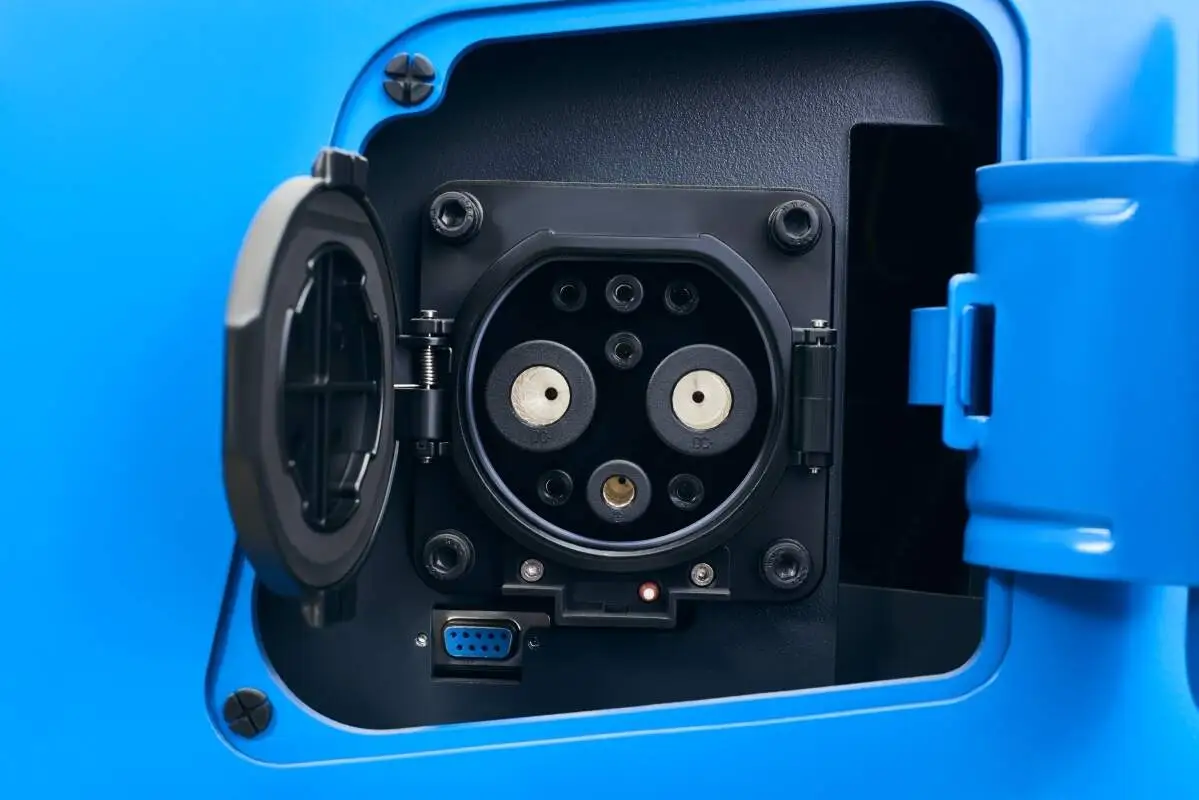
Power type is another critical factor impacting pricing. Electric compact small forklifts, which are popular for their low noise, zero emissions, and lower long-term operational costs, usually have a higher upfront price compared to their gas or diesel counterparts. This is due to the cost of battery systems and electric components. However, it’s important to note that electric models can offer savings over time through reduced fuel and maintenance expenses. Gas-powered compact forklifts, while cheaper initially, may incur higher ongoing costs related to fuel consumption and exhaust system maintenance.
Additional configurations and features also contribute to the overall cost. Forklifts equipped with optional attachments like side shifters, which allow operators to adjust the position of forks without moving the entire vehicle, or anti-slip systems for safer operation on wet or uneven surfaces, will command a higher price. Similarly, ergonomic features such as adjustable seats, intuitive control panels, and enhanced visibility can increase the cost but may improve operator comfort and efficiency in daily use.
When it comes to a general price reference, entry-level compact small forklifts can start from around $15,000 to $20,000. Mid-range models with moderate load capacities, standard electric power, and basic additional features typically range from $20,000 to $30,000. High-end units, which include higher load capacities, extended lifting heights, advanced electric systems, and premium configurations, can cost $30,000 or more.
It’s important for buyers to consider not just the upfront price but also the total cost of ownership over the forklift’s lifespan. This includes factors like maintenance costs, fuel or battery charging expenses, and potential downtime. Assessing specific operational needs—such as the frequency of use, the type of materials being handled, and the working environment—will help determine the most cost-effective option that balances initial investment with long-term value.