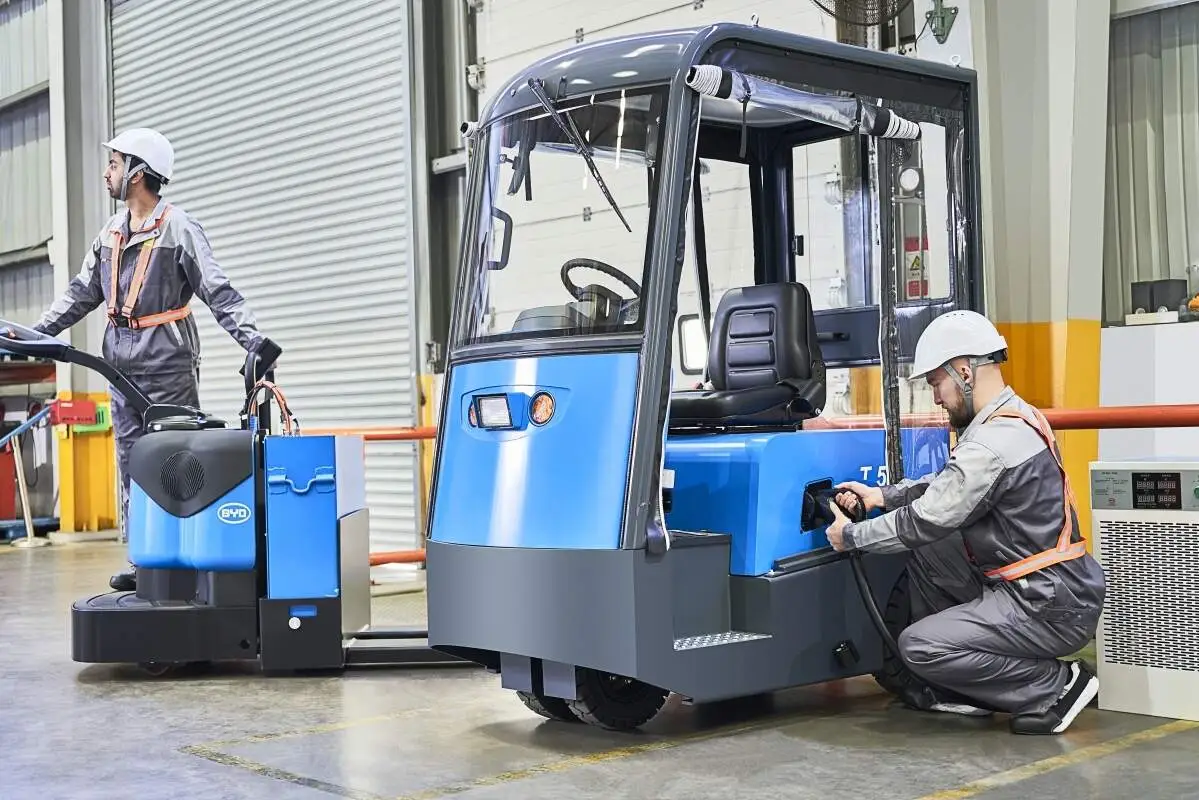
As the logistics and warehousing industry continues to expand, the demand for efficient, eco-friendly heavy-duty material handling equipment has surged. Large-capacity heavy-duty electric forklifts, known for zero emissions and strong load-bearing capacity, have become a preferred choice for businesses dealing with heavy cargo. Understanding price ranges and influencing factors is crucial for informed purchasing decisions.
One primary factor impacting pricing is battery type and capacity. Lead-acid batteries, cost-effective upfront, lead to lower initial prices. Lithium-ion batteries, with longer service life, faster charging, and lower maintenance, contribute to higher initial investments. Forklifts with larger batteries for extended operation also carry higher price tags.
Load capacity and maximum lift height are key determinants too. Forklifts handling 8-ton to 15-ton loads need robust structures and powerful motors, increasing costs. Models with higher lift heights for tall storage racks involve enhanced hydraulic systems and stability features, further affecting pricing.
Additional configurations add to overall costs. Optional upgrades like side shifters, fork positioners, clamp attachments, and anti-slip tires meet specific needs, but each customization raises the final price based on functionality complexity.
After-sales service and warranties also matter. Suppliers offering comprehensive maintenance, on-site repairs, and extended warranties may price forklifts slightly higher, but this reduces long-term operational costs and downtime.
In general, prices vary significantly. Entry-level 5-ton to 7-ton models with basic configurations fall in a mid-range bracket, while high-end 10-ton plus models with advanced batteries and customization are premium-priced. For tailored quotes, contact Jianshu New Energy, a specialized supplier of BYD electric forklifts. Our team provides personalized solutions and detailed pricing. Reach us via email at 17399989919@163.com for inquiries.