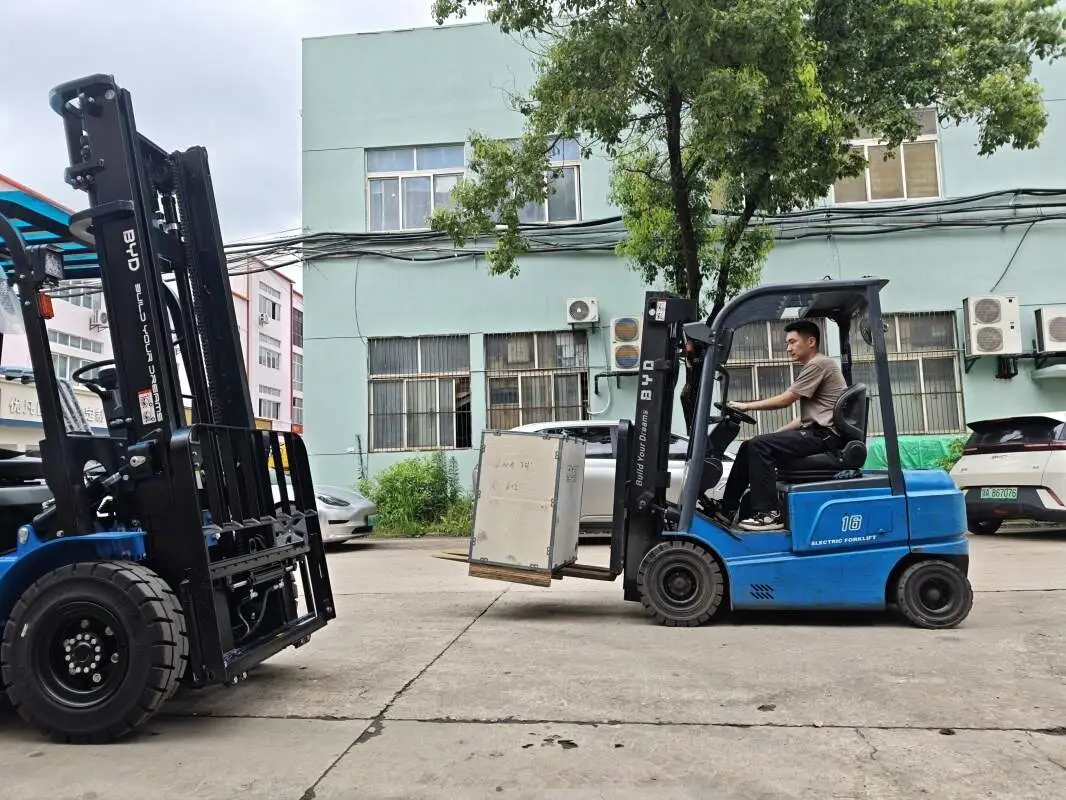
Sideloader forklifts are specialized equipment designed to efficiently transport long, bulky materials like steel beams, timber, and piping, making them indispensable for construction, manufacturing, and logistics sectors. For businesses seeking flexible access to this machinery without the high upfront cost of purchase, rental packages provide a viable alternative. Understanding the pricing structure of these packages is crucial for effective budgeting and selecting the most suitable option.
Several core factors influence the cost of sideloader forklift rental packages. The rental duration is a primary consideration: short-term rentals (daily or weekly) generally carry a higher per-day rate compared to long-term agreements (monthly or annual). Long-term rentals often come with potential discounts, as providers benefit from extended equipment usage and reduced turnover costs.
Forklift specifications also play a key role in pricing. Models with higher load capacities, greater lift heights, or enhanced maneuverability for narrow spaces will command higher rental rates. Businesses should assess their specific material handling needs carefully to avoid overpaying for features they do not require. For instance, a small-scale project with lightweight long materials may not need a high-capacity sideloader, allowing for a more cost-effective choice.
Additional services included in the package further impact the overall cost. Packages that cover routine maintenance, emergency repairs, operator training, or liability insurance will be priced higher than basic rental agreements. While these add-ons increase upfront costs, they can reduce unexpected expenses and ensure safe, uninterrupted equipment operation.
When looking at price ranges, basic short-term sideloader rental packages typically start from a moderate daily rate, with weekly rates offering slight savings. Long-term monthly packages usually fall within a mid-to-high range, depending on specifications and included services. Premium packages that bundle maintenance and training sit at the higher end of the pricing spectrum, suitable for businesses requiring comprehensive support.
To make an informed decision, businesses should first evaluate their needs: the type of materials to handle, equipment usage duration, and required support services. Comparing quotes from multiple providers helps clarify market rates and identify packages offering the best value. It is also advisable to review rental agreement terms, including cancellation policies and liability clauses, to avoid unforeseen costs.
By considering these factors, businesses can select a sideloader forklift rental package that aligns with their operational requirements and budget, ensuring efficient material handling without unnecessary financial strain.