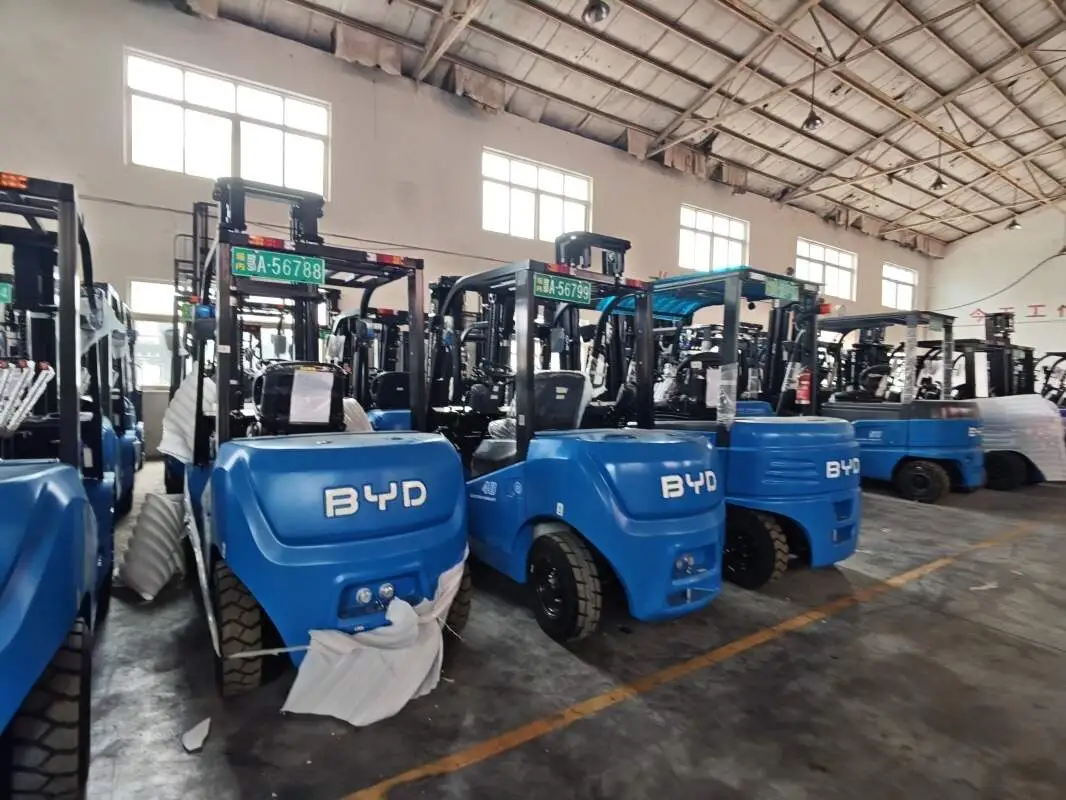
When investing in material handling equipment for narrow-warehouse operations, new Bendi forklifts are a popular choice due to their unique maneuverability and space-saving design. Understanding the pricing landscape for these electric forklifts is essential for businesses to budget effectively and make informed purchasing decisions. It’s important to note that there is no universal price tag for new Bendi forklifts; costs vary significantly based on several key factors.
One of the primary drivers of pricing is the core configuration of the forklift. Load capacity plays a critical role—models designed to carry heavier weights require more robust frames, motors, and hydraulic systems, which increase the upfront cost. Similarly, lift height requirements impact pricing: forklifts capable of reaching taller storage racks need extended mast assemblies and reinforced components, leading to higher price points. The maneuverability features specific to narrow aisles, such as articulating frames or tight-turn radius capabilities, also contribute to variations in cost, as these specialized designs require precision engineering.
Optional features and customizations further influence the final price of a new Bendi forklift. Businesses may choose to add attachments like side shift forks, which enhance load positioning flexibility, or advanced control systems that improve operator comfort and efficiency. Battery type is another significant consideration: lithium-ion batteries have a higher upfront cost compared to traditional lead-acid batteries, but they offer longer lifespans, faster charging times, and lower long-term maintenance expenses. Other add-ons, such as anti-collision sensors or ergonomic operator cabins, can also raise the overall price but may provide long-term value by reducing accidents and improving productivity.
After-sales support and warranty packages are additional factors that affect the total cost of ownership for a new Bendi forklift. Comprehensive warranty plans that cover parts and labor for an extended period can add to the initial purchase price but minimize unexpected repair costs down the line. Some dealers also offer maintenance packages or operator training services, which may be included in the pricing or available as optional add-ons. These services are worth considering, as they help ensure the forklift operates efficiently and safely throughout its lifespan.
To obtain accurate pricing information for a new Bendi forklift, businesses should reach out to authorized dealers. Providing detailed information about operational needs—such as warehouse layout, daily usage volume, and specific load requirements—allows dealers to offer customized quotes tailored to the business’s unique situation. In some cases, bulk purchases or long-term service contracts may qualify for discounted pricing, making it beneficial to discuss these options with dealers during the quotation process.
In summary, pricing for new Bendi forklifts is determined by a combination of core configurations, optional features, after-sales support, and customization needs. By understanding these factors and working closely with authorized dealers, businesses can secure a forklift that aligns with their operational requirements and budget, while also considering the total cost of ownership rather than just the upfront price.