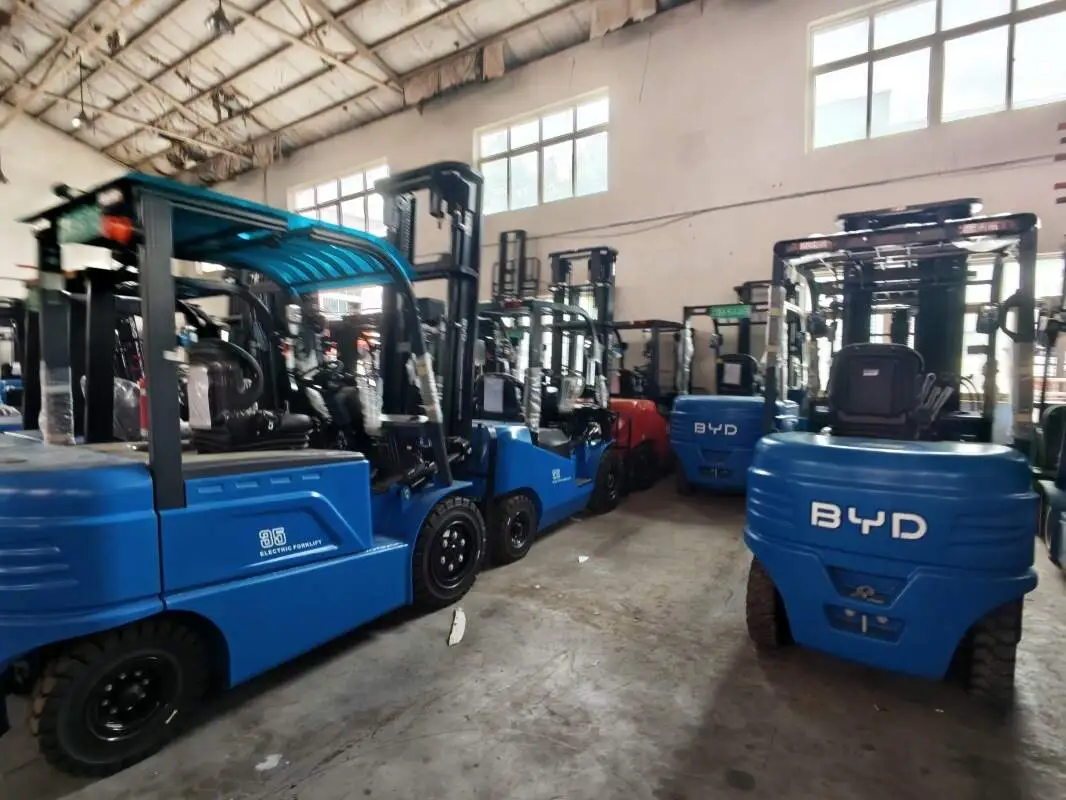
Rear-wheel-steering forklifts are prized for their exceptional maneuverability in tight warehouse aisles and narrow loading docks, making them a go-to choice for efficient material handling. When opting for pre-owned models, strategic procurement is key to securing a reliable unit that aligns with your operational needs without overspending. Below are actionable tips to guide your purchasing process.
Conduct a comprehensive mechanical inspection focused on the rear-wheel steering system, the core feature of these forklifts. Check for wear on steering components like linkages and tie rods, as loose or damaged parts can compromise maneuverability. Inspect tire tread for uneven wear, which may indicate alignment issues or heavy usage. Don’t overlook the braking system—test responsiveness and examine brake pads for excessive wear, as faulty brakes pose critical safety risks. Evaluate the engine and hydraulic systems for leaks, unusual noises, or inconsistent performance; minor leaks can escalate into costly repairs over time.
Verify the forklift’s maintenance and usage history to gauge its care and suitability. Request detailed service records from the seller, looking for regular oil changes, filter replacements, and steering system adjustments—signs of proactive maintenance. Ask about the previous operating environment: units used indoors on smooth surfaces typically have less wear than those deployed outdoors on rough terrain. Understanding the average load capacity it handled will also help you confirm it can meet your daily operational demands.
Schedule an on-site test drive to assess real-world performance firsthand. Maneuver the forklift through simulated tight spaces to test the rear-wheel steering’s precision and responsiveness, ensuring it can navigate your warehouse layout seamlessly. Test lifting and lowering loads at various heights to evaluate hydraulic system efficiency and stability. Pay close attention to how the unit handles under load; any sway or steering difficulty may signal underlying mechanical problems that require attention.
Evaluate the total cost of ownership beyond the initial purchase price. Calculate projected maintenance costs, fuel or electricity expenses, and insurance premiums. A seemingly affordable forklift could become a financial burden if it requires frequent repairs or has low energy efficiency. Compare these long-term costs against the forklift’s expected lifespan to ensure it delivers sustained value for your investment.
Finally, ensure the pre-owned forklift complies with all local safety standards and regulations. Check for functional safety features like horns, lights, and seat belts, as well as proper labeling. If essential safety components are missing or non-functional, factor in the cost of repairs or upgrades to bring the unit into compliance before finalizing your purchase.
By following these tips, you can make an informed decision when selecting a pre-owned rear-wheel-steering forklift, securing a reliable asset that boosts your material handling efficiency while staying within your budget.