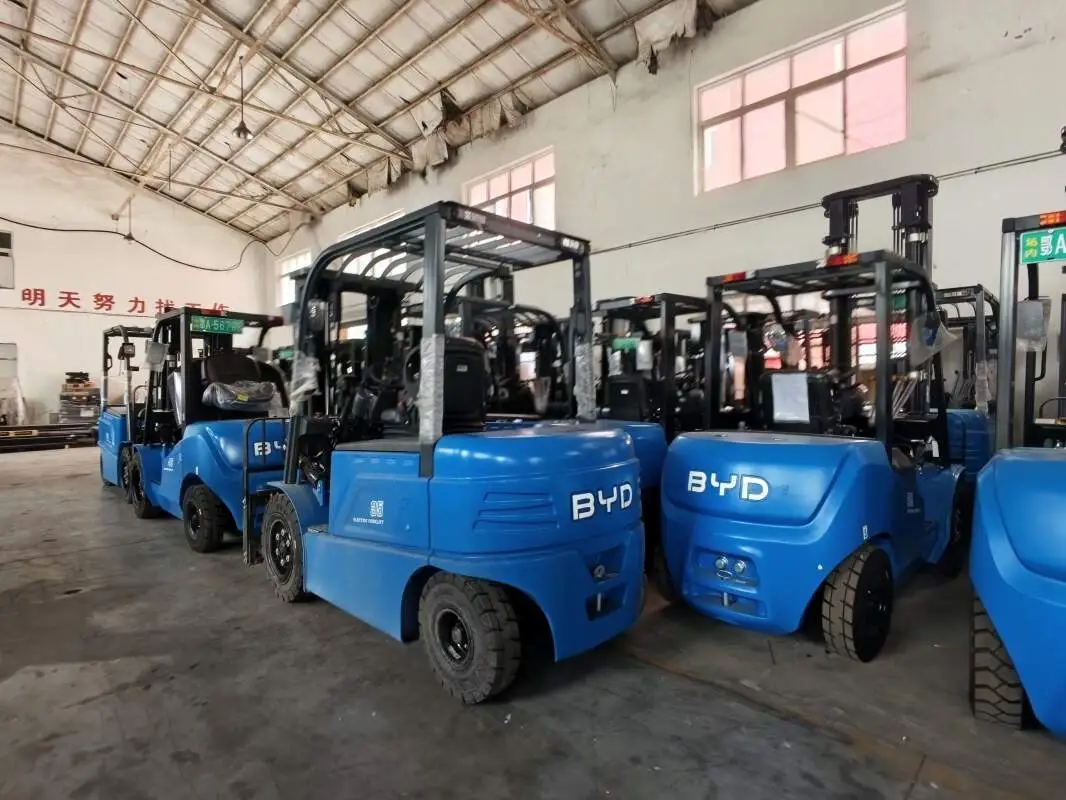
forklift batteries are critical components powering daily warehouse and industrial operations, and proper maintenance is key to extending their lifespan and ensuring consistent performance. Among essential maintenance tools, forklift battery watering carts play a vital role in keeping batteries properly hydrated, which prevents premature degradation and costly replacements. Choosing the right watering cart maintenance tools requires careful consideration of several core factors to meet your operational needs effectively.
Functionality alignment is the first key consideration. Different operations may require varying watering mechanisms: manual carts are suitable for small fleets with fewer batteries, offering cost-effectiveness and simplicity. Automated systems, on the other hand, are ideal for large-scale facilities, as they can deliver precise water amounts to multiple battery cells simultaneously, reducing labor time and minimizing human error. Additionally, look for tools with adjustable flow rates to accommodate different battery sizes, ensuring each cell receives the correct volume of water without overflow.
Compatibility with battery types is another non-negotiable factor. Most forklifts use lead-acid batteries, which have specific hydration requirements. Ensure the tools you select are compatible with the voltage and cell configuration of your batteries. Some tools are designed for flooded lead-acid batteries, while others may support sealed or valve-regulated lead-acid (VRLA) batteries. Checking the tool’s specifications against your battery model will prevent mismatches that could damage the battery or reduce maintenance efficiency.
Durability and build quality are essential for withstanding harsh industrial environments. Opt for tools constructed from corrosion-resistant materials such as high-density polyethylene or stainless steel, which can withstand exposure to battery acid, water, and frequent use. Pay attention to the cart’s wheels and handle—heavy-duty, non-slip wheels ensure easy maneuverability across rough warehouse floors, while a sturdy handle reduces fatigue during operation. Sealed components are also important to prevent water leakage and protect internal parts from dust and debris.
Ease of use and portability simplify regular maintenance tasks. Look for watering carts with intuitive controls, clear labeling, and ergonomic designs. Portable models with lightweight frames are beneficial for navigating tight spaces between racks or transporting tools across large facilities. Some carts feature built-in water level indicators, allowing technicians to monitor fluid levels at a glance and avoid over-watering or under-watering. Simplifying the maintenance process encourages consistent use, which directly contributes to long-term battery health.
Safety features should always be prioritized. High-quality watering carts include features like anti-overflow valves, which automatically stop water flow once the cell reaches the correct level, preventing acid spills that can cause injuries or damage equipment. Some tools also have insulated handles to protect users from electrical hazards, especially when working near charged batteries. Ensuring compliance with industry safety standards will reduce workplace risks and protect your maintenance team.
By taking these factors into account—functionality, compatibility, durability, ease of use, and safety—you can select forklift battery watering cart maintenance tools that align with your operational requirements. Investing in the right tools not only extends battery lifespan but also reduces downtime and lowers long-term operational costs, ensuring your forklifts remain reliable and support smooth daily operations in your facility.