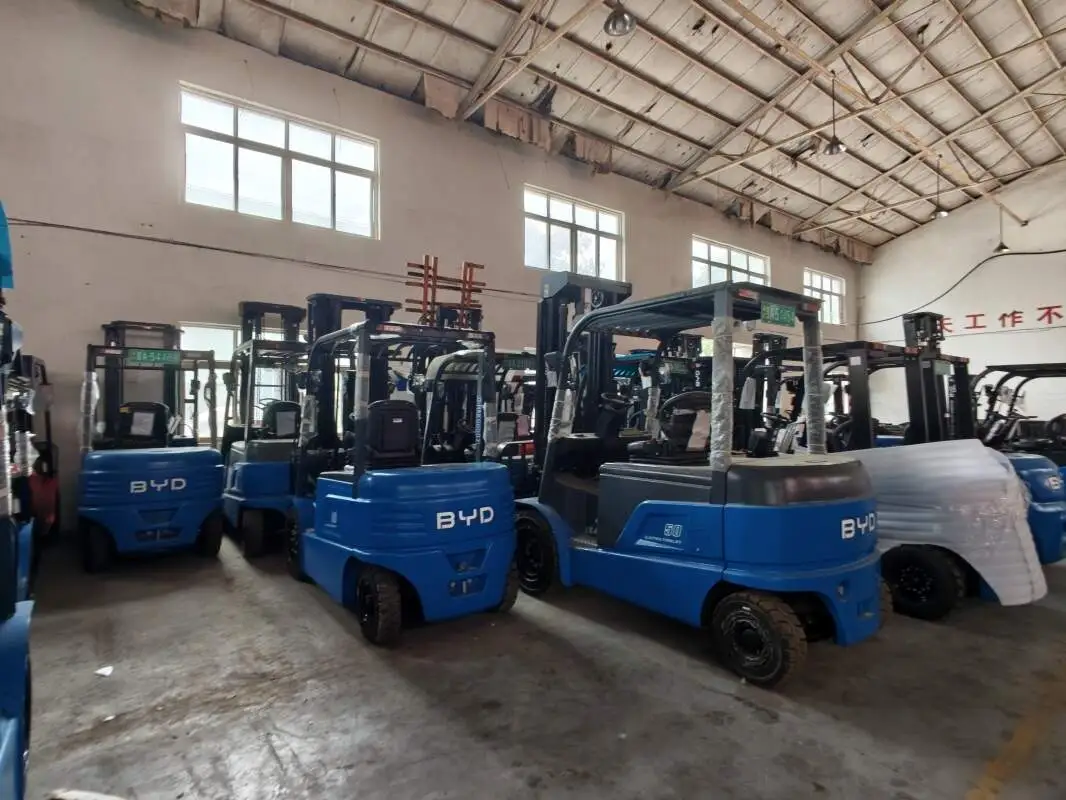
When a still forklift is stationary and displays fault codes, timely identification and basic troubleshooting can significantly reduce downtime and prevent minor issues from escalating into costly repairs. Understanding these codes is essential for operators and maintenance teams to keep equipment running smoothly.
Key Common Fault Codes and Their Troubleshooting Steps
#Fault Code P0201: Fuel Injector Circuit Malfunction
This code typically appears when the forklift is idle or stationary, accompanied by rough engine idling or intermittent stalling. Potential causes include loose or damaged wiring connections to the fuel injector, a clogged injector nozzle, or a faulty injector solenoid.
To troubleshoot, start by visually inspecting the wiring harness connected to the fuel injector for signs of fraying or disconnection. Ensure all connections are secure. If the wiring appears intact, clean the injector nozzle using a specialized cleaning solution to remove any accumulated debris. If the fault persists, it is recommended to consult a certified technician for further testing and potential replacement of the injector.
#Fault Code U0100: Lost Communication with Engine Control Module (ECM)
A stationary forklift displaying this code will often show a communication error on the dashboard, and may fail to start or respond to control inputs. The most common causes are loose or corroded ECM wiring connections, a drained battery affecting power supply to the ECM, or a temporary software glitch.
Begin troubleshooting by turning off the forklift and checking the ECM’s power and ground connections for tightness and signs of corrosion. Restart the forklift to see if the code clears. If not, test the battery voltage to ensure it meets standard specifications. If the battery is in good condition, the issue may require professional diagnostic tools to reset or update the ECM software.
#Fault Code P0300: Random/Multiple Cylinder Misfire
When stationary, a forklift with this code will exhibit noticeable engine shaking or rough idling. Possible causes include worn or fouled spark plugs, a faulty ignition coil, or inconsistent fuel delivery.
Start by removing and inspecting the spark plugs. Look for signs of wear, such as eroded electrodes or excessive carbon buildup. Replace any damaged spark plugs with compatible replacements. Next, test the ignition coils for proper voltage output using a multimeter. If the coils are not functioning correctly, they may need to be replaced. For persistent misfires, check the fuel system for clogs or pressure issues.
#Fault Code DTC 12: Low Battery Voltage
This code appears when the forklift is stationary, indicating that the battery does not have sufficient charge to power the vehicle’s systems. Causes include an aging battery with reduced capacity, a malfunctioning charging component, or leaving electrical components running when the engine is off.
First, check the battery’s electrolyte levels (for lead-acid batteries) and top up with distilled water if necessary. Use a battery tester to measure the battery’s state of charge. If the charge is low, connect the battery to a compatible charger. After charging, test the charging component to ensure it is providing adequate voltage to maintain the battery charge. If the battery fails to hold a charge, it may need to be replaced.
General Best Practices for Fault Code Management
Always address fault codes promptly, even if the forklift appears to operate normally. Ignoring codes can lead to more severe damage over time. After performing basic troubleshooting, if the fault code reappears, avoid attempting complex repairs without proper training and equipment. Regular scheduled maintenance, including battery checks, fuel system cleaning, and wiring inspections, can help prevent many common fault codes from occurring in the first place.