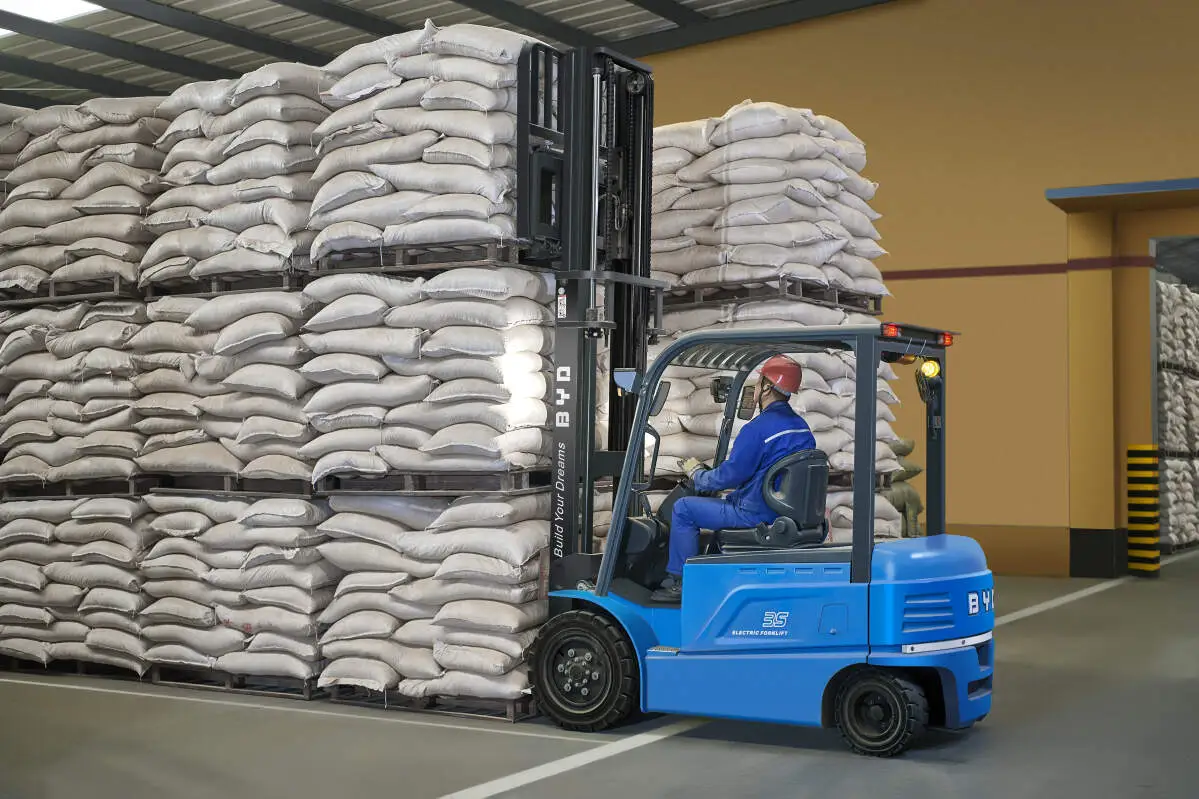
In modern manufacturing workshops, efficient material handling is the backbone of seamless production operations. Traditional internal combustion forklifts have long dominated these spaces, but they bring inherent drawbacks like exhaust emissions, high noise pollution and frequent maintenance demands. electric forklifts have emerged as a reliable alternative, addressing these pain points while delivering consistent performance. Let’s examine real-world scenarios that highlight their transformative impact in manufacturing settings.
Case 1: Heavy-Duty Component Transport in Automotive Workshops
Automotive manufacturing involves moving heavy metal parts, engine assemblies and large modules across expansive workshops, where loads often weigh several tons. Electric forklifts equipped with high-capacity lithium-ion batteries handle these heavy loads with ease, boasting stable lifting mechanisms that ensure safe transport. Unlike combustion models, they produce zero tailpipe emissions, eliminating the risk of contaminating sensitive automotive components. Operators also benefit from quieter operation, reducing fatigue during long shifts and improving on-site communication. Over time, lower fuel and maintenance costs have helped automotive workshops cut operational expenses by a noticeable margin.
Case 2: Precision Line-Side Support in Electronics Manufacturing
Electronics workshops demand precise, gentle handling of delicate components to avoid costly damage. Electric forklifts with compact designs and responsive steering excel at navigating narrow aisles between production lines, delivering small batches of parts directly to workstations with pinpoint accuracy. This minimizes wait times for assembly teams, keeping production schedules on track. The absence of exhaust fumes is critical here, as even minor contamination can compromise electronic product quality. Additionally, electric forklifts operate with minimal vibration, ensuring sensitive circuit boards and components remain intact during transport, reducing product waste and improving overall line efficiency.
Case 3: Hygienic Warehousing Turnover in Food Processing Facilities
Food manufacturing requires strict compliance with hygiene standards to prevent product contamination. Electric forklifts are ideally suited for these environments, as they produce no exhaust and feature enclosed components that reduce dust accumulation. In cold storage zones, where temperatures drop below freezing, electric forklifts maintain consistent performance without the startup issues combustion engines face in low-temperature conditions. They efficiently move pallets of raw materials and finished products between storage and production areas, ensuring timely inventory turnover. Their quiet operation also avoids disrupting workers in adjacent processing zones, fostering a more comfortable and productive work environment.
These real-world cases prove that electric forklifts are a practical, future-forward solution for modern manufacturing workshops, combining efficiency, sustainability and cost-effectiveness to meet evolving industry needs. If you’re looking to upgrade your workshop’s material handling equipment, Jianshu New Energy specializes in BYD electric forklifts, offering tailored solutions to match your specific operational requirements. For more information, feel free to contact us at 17399989919@163.com.