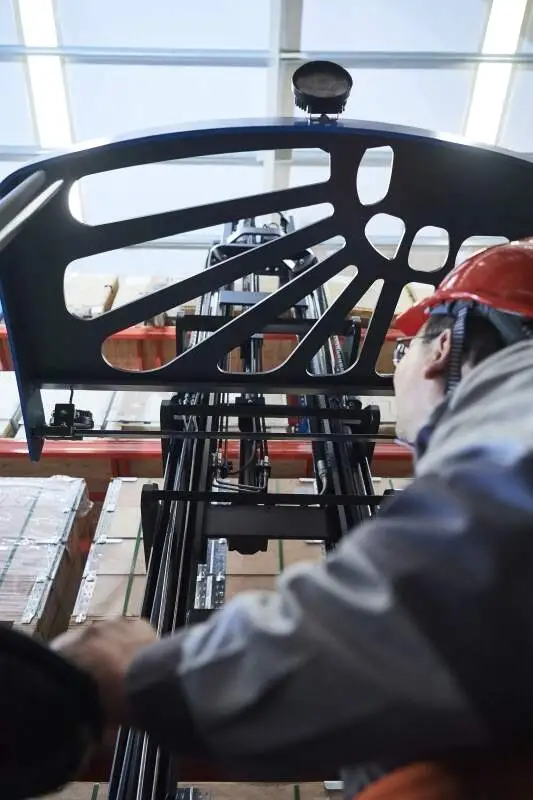
In busy industrial and warehouse environments, electric forklifts play a critical role in material handling, but their operation comes with inherent safety risks, particularly during reversing maneuvers. One effective upgrade to mitigate these risks is the installation of a forklift backup camera. Below are key reasons why this simple addition can significantly enhance workplace safety.
1. Eliminating Blind Spot Risks
Electric forklifts have significant blind spots, especially behind the vehicle where operators often cannot see pedestrians, small loads, or low-lying obstacles. These blind spots are a leading cause of workplace accidents, ranging from minor collisions to serious injuries. A forklift backup camera provides a clear, real-time view of the area behind the forklift, allowing operators to detect hazards that would otherwise go unnoticed. This constant visual coverage ensures that every reversing maneuver is executed with full awareness of the surrounding environment.
2. Mitigating Human Error
Even the most experienced forklift operators can experience fatigue, distraction, or momentary lapses in concentration during long shifts. These human factors can lead to accidental collisions while reversing. A backup camera acts as an extra set of eyes, reducing the reliance solely on mirrors and operator judgment. By providing a clear visual feed, it helps operators make more informed decisions, minimizing the chance of errors that could result in harm to personnel or damage to property.
3. Boosting Operational Efficiency
Beyond safety benefits, a forklift backup camera can also improve operational efficiency. Without a camera, operators often need to stop, exit the vehicle, and manually check the rear area before reversing, which adds unnecessary time to each task. With a backup camera, operators can quickly assess the rear environment from their seat, allowing for smoother, faster reversing maneuvers. This efficiency gain translates to more productive material handling operations, reducing downtime and improving overall workflow.
4. Aligning with Safety Regulations
Workplace safety regulations in many regions require employers to take reasonable measures to protect workers from hazards associated with material handling equipment. Installing a backup camera on electric forklifts is a proactive step to meet these regulatory requirements. It demonstrates a commitment to maintaining a safe work environment and can help organizations avoid penalties related to non-compliance. Additionally, many safety auditors recognize backup cameras as a valid safety enhancement, supporting a safer workplace culture.
5. Safeguarding Personnel and Assets
The cost of workplace accidents involving forklifts extends beyond immediate injuries, including medical expenses, equipment repair costs, and productivity losses. A backup camera helps prevent these incidents by reducing collision risks, protecting both employees and valuable assets. By investing in this simple safety upgrade, employers can create a more secure work environment, foster employee trust, and reduce long-term operational costs associated with accidents.
If you operate electric forklifts and are looking to enhance workplace safety, consider adding a backup camera to your fleet. As a specialist in electric forklifts, Jianshu New Energy focuses on BYD electric forklifts, providing solutions tailored to your safety and operational needs. For more information, you can reach out to us at 17399989919@163.com.