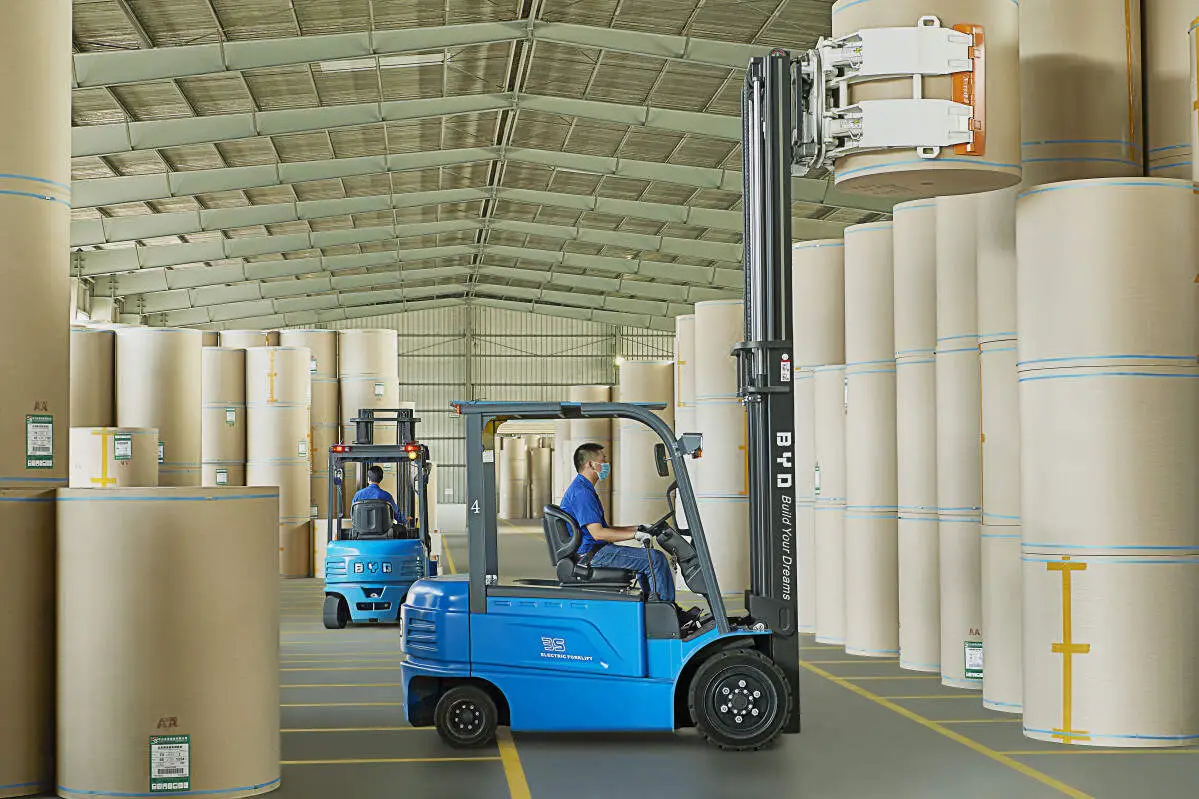
When operating a forklift, the carriage serves as a critical component connecting the mast to attachments like forks, clamps, or rotators. Understanding standard forklift carriage dimensions is essential for ensuring seamless compatibility, optimal load handling, and overall operational safety. This guide provides comprehensive reference data for standard forklift carriage dimensions, along with insights into their practical applications.
Standard forklift carriage dimensions are defined based on industry-wide norms to accommodate common attachment types and load capacities. Key measurements include the inner carriage width, which typically ranges from 450mm to 1200mm for most standard models. This width determines the maximum attachment width that can be securely mounted. Additionally, the height of the carriage, measured from the bottom of the mounting plate to the top of the carriage frame, varies between 300mm and 600mm, depending on the forklift’s load capacity and mast design. These baseline measurements ensure that attachments can be easily swapped across different general-purpose forklifts that adhere to industry standards.
Another crucial dimension is the spacing between mounting holes, which ensures proper alignment with attachments. Standard hole spacing often follows a grid pattern, with common center-to-center distances ranging from 150mm to 300mm both horizontally and vertically. These standardized measurements eliminate the need for custom modifications when switching attachments, reducing downtime and maintenance costs. While specialized forklifts for heavy-duty or narrow-aisle operations may have slight variations, the core hole spacing and width dimensions remain consistent for most commercial models.
Why does this reference data matter? First, it ensures attachment compatibility. Using an attachment that matches the carriage’s dimensions prevents misalignment, which can lead to unstable loads or equipment damage during operation. Second, adherence to standard dimensions simplifies maintenance and replacement. If a carriage needs to be replaced, knowing the standard measurements allows for quick selection of a compatible replacement without extensive custom work. Third, these dimensions contribute to operational efficiency—properly matched carriages and attachments enable smoother load handling, reducing the risk of delays in material handling workflows.
When using this reference data, it’s advisable to cross-verify with the forklift’s operational manual, as some models may have slight variations even within standard categories. Additionally, consider the specific application: forklifts used in narrow-aisle warehouses may require narrower carriages to maneuver effectively, while those used in construction sites may need wider carriages to accommodate larger attachments like brick clamps. Taking these factors into account ensures that the chosen carriage dimensions align perfectly with your operational needs.
In summary, standard forklift carriage dimensions are a foundational aspect of forklift operation and attachment integration. By understanding the key measurements and their implications, operators and facility managers can make informed decisions about attachment selection, equipment replacement, and operational safety. This reference data serves as a valuable resource for anyone involved in material handling, helping to optimize efficiency and maintain a safe working environment.