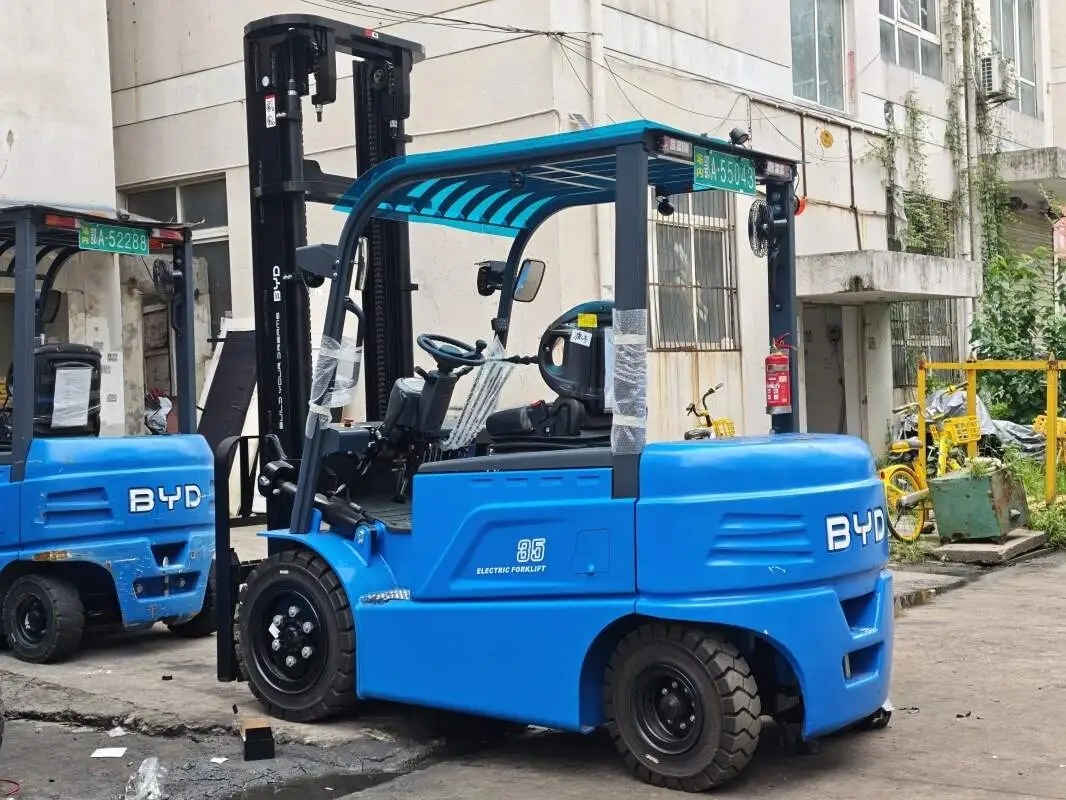
When considering a used forklift for your material handling operations, accurately assessing its actual value is critical to making a cost-effective decision. Unlike new units, used forklifts carry varying levels of wear, usage history, and maintenance backgrounds, all of which directly impact their worth. Below are the key reference factors to evaluate when determining the true value of a pre-owned forklift.
First and foremost, the mechanical and structural condition of the forklift serves as a foundational indicator of its value. Start by inspecting core components such as the engine, transmission, and hydraulic system. Listen for unusual noises during engine startup and operation, which could signal internal wear. Test the hydraulic system by lifting and lowering loads to check for smooth operation and leaks, as faulty hydraulics can be costly to repair. Examine the forklift’s frame and body for signs of corrosion, cracks, or structural damage, especially in high-stress areas like the mast and carriage. Even minor damage can accelerate future wear, reducing the unit’s overall value.
Next, usage history and operational hours play a significant role in value assessment. A forklift’s total operating hours are a key metric, but the nature of its usage matters just as much. For example, a forklift used primarily in indoor warehouses with light loads will have less wear than one deployed in outdoor construction sites with frequent heavy lifting. Ask about the unit’s typical tasks, operating environment, and whether it was used in shifts, as continuous operation can lead to faster component degradation. Verifying the accuracy of the hour meter is also essential, as tampered readings can misrepresent the forklift’s actual wear level.
Comprehensive maintenance and service records are another crucial factor. Forklifts that have been regularly serviced according to standard guidelines tend to retain higher value, as proper maintenance extends component lifespan and reduces the risk of unexpected breakdowns. Review records for routine tasks like oil changes, filter replacements, and brake inspections, as well as any major repairs. Units with incomplete or non-existent records may require more upfront investment for diagnostics and repairs, lowering their market value.
Market demand and industry trends also influence the actual value of used forklifts. For instance, growing emphasis on sustainability has increased demand for electric forklifts in many regions, boosting their resale value compared to traditional internal combustion models. Local market conditions, such as the availability of similar units and the needs of nearby businesses, can also affect pricing. Additionally, trends in material handling, like the shift toward automated systems, may impact the value of older manual forklift models.
Finally, consider any additional features or modifications. Forklifts equipped with optional attachments such as side shifters, clamp attachments, or extended forks can command higher prices, as these features add versatility and utility. However, ensure that modifications are professionally installed and comply with safety standards, as poorly executed modifications can pose safety risks and decrease the unit’s value.
By carefully evaluating these reference factors, buyers and sellers can arrive at a fair and accurate assessment of a used forklift’s actual value, ensuring that both parties make informed, mutually beneficial decisions.