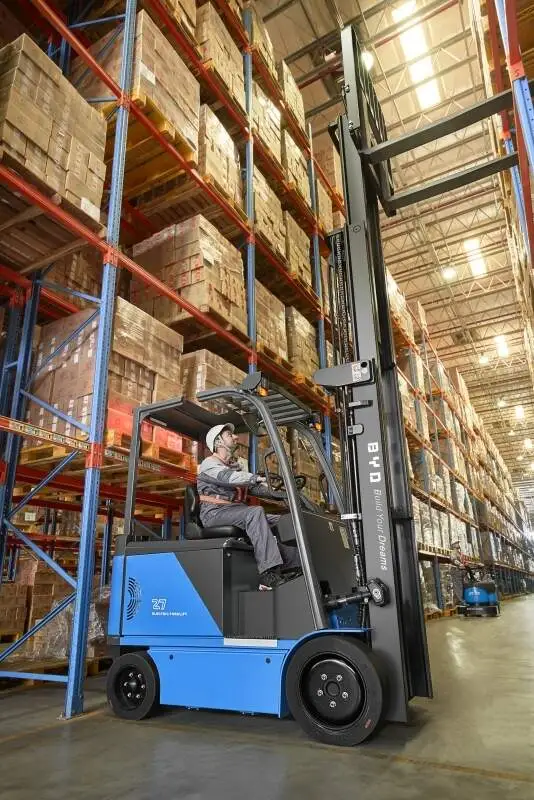
The forklift mast assembly is a core component that enables vertical load lifting, directly impacting a forklift’s operational efficiency and load-handling capabilities. Reference pricing for this part serves as a practical benchmark, helping buyers, fleet managers, and maintenance teams evaluate fair costs and make informed procurement decisions without overpaying or compromising on quality.
Several key factors shape the reference pricing of forklift mast assemblies. Material quality is a primary driver: high-strength steel, which offers superior durability and resistance to wear from heavy loads and frequent use, typically commands a higher reference price than standard steel alloys. This is because the manufacturing process for high-strength steel involves stricter quality controls and specialized treatments to enhance its structural integrity.
Design complexity also plays a significant role. Single-stage masts, designed for lower lifting heights, have a simpler structure with fewer moving parts, leading to a lower reference price. In contrast, multi-stage masts—required for warehouses or industrial facilities with high storage racks—incorporate additional cylinders, rails, and hydraulic components, increasing both production costs and the corresponding reference price.
Manufacturing processes further influence pricing benchmarks. Precision welding techniques, corrosion-resistant coatings, and rigorous testing to ensure compliance with safety standards add to production expenses, which are reflected in the reference price. Market dynamics, such as fluctuations in raw material costs for steel and hydraulic components, seasonal demand peaks during industrial inventory cycles, and supplier capacity, can also shift reference pricing ranges over time, making regular benchmark updates essential for accuracy.
To leverage reference pricing effectively, buyers should cross-compare prices across multiple suppliers while accounting for value-added services. A slightly higher reference price might include benefits like extended warranty coverage, on-site installation support, or access to genuine replacement parts, which can reduce long-term maintenance costs. It’s also important to align the mast assembly’s specifications with operational needs—choosing a mast with more lifting capacity than required can lead to unnecessary overspending, while opting for an underpowered model may risk operational disruptions.
By understanding the factors that drive reference pricing for forklift mast assemblies, businesses can optimize their procurement and maintenance budgets. Regularly reviewing market trends and updating pricing benchmarks ensures that teams can secure high-quality components at fair rates, supporting consistent and efficient forklift operations over the long term.