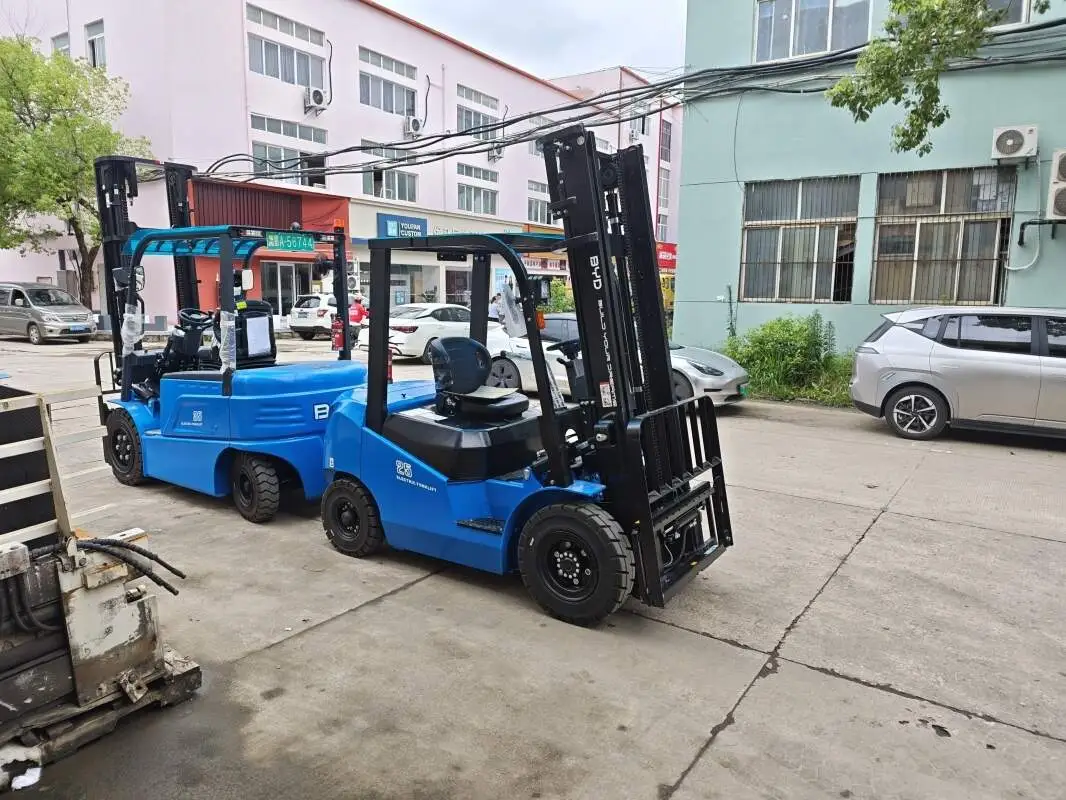
Industrial forklifts are workhorses in warehouses, distribution centers, and construction sites, relying on efficient cooling systems to prevent engine overheating during heavy-duty operations. Over time, radiator parts can wear out due to constant use, exposure to debris, and temperature fluctuations, making timely replacement critical to avoid costly downtime.
The most essential replacement radiator parts for industrial forklifts include several key components. Radiator cores are the heart of the cooling system, responsible for transferring heat from the coolant to the surrounding air. When cores become clogged or corroded, they lose efficiency, requiring replacement with units designed to handle the forklift’s engine load. Rubber hoses connect the radiator to the engine and heater core, carrying coolant throughout the system. These hoses can crack or degrade over time, leading to leaks that disrupt cooling. Thermostats regulate coolant flow, ensuring the engine maintains an optimal operating temperature. A faulty thermostat can cause overheating or inefficient warming, necessitating replacement. Pressure caps maintain the correct pressure within the radiator, preventing coolant from boiling at lower temperatures. Worn caps can lead to coolant loss and system damage. Additionally, fan assemblies, which help draw air through the radiator, may need replacement if motors or blades fail.
When selecting replacement radiator parts, it’s important to prioritize compatibility. Parts must be designed to fit the specific specifications of your industrial forklift to ensure proper function. Material quality is another key factor; radiator cores made from durable materials like aluminum or copper-brass offer better heat transfer and resistance to corrosion. It’s also crucial to choose parts that meet industry safety and performance standards, as substandard components can lead to system failure and safety hazards.
Regular maintenance can extend the lifespan of radiator parts and reduce the need for frequent replacements. Inspecting hoses and connections for leaks or cracks, cleaning the radiator core to remove debris, and checking coolant levels regularly can help identify issues early. Additionally, flushing the cooling system at recommended intervals prevents sediment buildup that can damage radiator components.
Investing in high-quality replacement radiator parts and following a consistent maintenance schedule ensures your industrial forklift’s cooling system operates efficiently, minimizing downtime and extending the overall lifespan of the equipment. Whether replacing a worn hose or a damaged radiator core, taking the time to select the right parts and perform proper installation is essential for keeping your forklift running smoothly in demanding work environments.