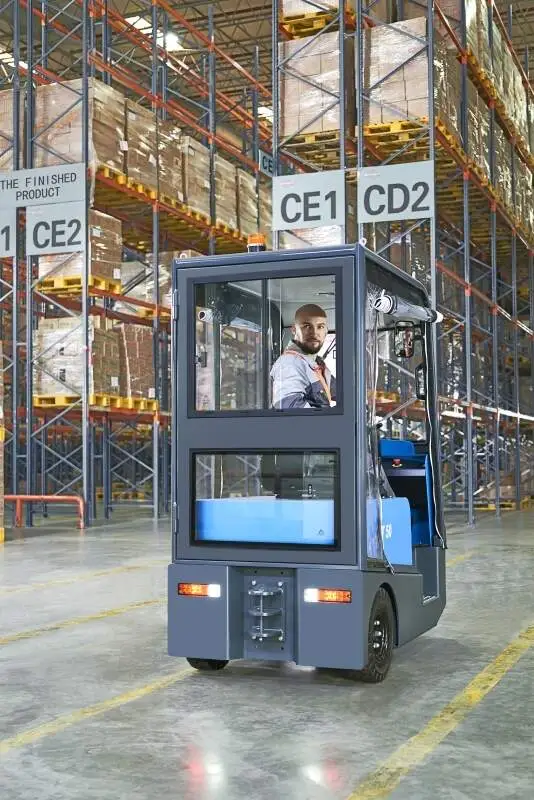
forklift seat belts are a critical component of operator safety, designed to reduce the risk of injury during sudden stops, sharp turns, or accidental tip-overs. Over time, wear from constant use, exposure to harsh workplace conditions like dust or moisture, or accidental damage can compromise their effectiveness, making timely replacement essential. Below are expert tips to guide you through the forklift seat belt replacement process safely and correctly.
First, prioritize pre-replacement safety checks. Before starting any work, ensure the forklift is parked on a flat, stable surface with the parking brake fully engaged. Turn off the ignition and remove the key to eliminate the risk of accidental movement. Wear appropriate personal protective equipment (PPE), such as work gloves and safety glasses, to protect yourself during the procedure. Take a moment to clear the surrounding area of any debris or obstacles that could interfere with your work.
Next, remove the old seat belt carefully. Locate the mounting points of the seat belt, usually positioned on the forklift’s seat frame or chassis. Use the correct tools—such as a socket wrench or screwdriver—to loosen and remove the bolts holding the belt in place. Detach the belt from its anchors, taking note of its routing and positioning to ensure the new belt is installed in the same configuration. Avoid pulling or yanking the belt excessively, as this could damage nearby components like wiring or seat frames.
When installing the new seat belt, start by aligning it with the original mounting points. Ensure the belt follows the exact routing path of the old one to maintain proper tension and protective functionality. Tighten the bolts securely to the recommended torque specifications—over-tightening can crack or warp the mounting hardware, while under-tightening may cause the belt to loosen during operation. Double-check that all connections are firm and that the belt moves smoothly without twists, knots, or obstructions.
After installation, perform a thorough post-replacement verification test. Fasten the seat belt and pull firmly in multiple directions to check for consistent tension. Confirm the buckle latches securely with an audible click and releases smoothly when pressed. Test the retraction mechanism to ensure the belt retracts fully without sticking or dragging. If you notice any issues, such as loose bolts, uneven tension, or a faulty buckle, address these problems immediately before putting the forklift back into use.
In addition to proper replacement, regular maintenance can extend the lifespan of your forklift seat belt. Conduct monthly inspections to look for signs of wear, including fraying, cuts, faded material, or damaged stitching. Clean the belt with a mild detergent and warm water to remove dirt and debris, avoiding harsh chemicals that could weaken the fabric. When not in use, store the forklift in a covered area to protect the belt from extreme temperatures, UV rays, and excessive moisture.
Remember, replacing a forklift seat belt is more than a routine maintenance task—it’s a critical step in safeguarding operator well-being and complying with workplace safety regulations. By following these expert tips, you can ensure the replacement process is done correctly, reducing the risk of injury and maintaining a safe work environment for all.