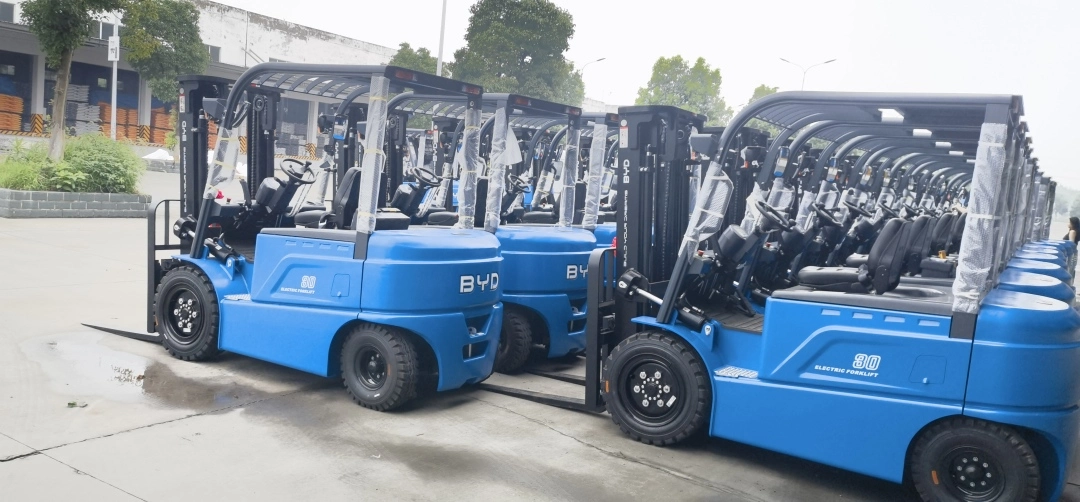
The risk assessment process for sites with regular forklift movement is a critical framework to mitigate workplace hazards and protect both operators and on-site personnel.
First, start with thorough hazard identification. Conduct systematic walkthroughs of the site to map high-risk zones: pedestrian-forklift crossing points, narrow storage aisles, uneven flooring, busy loading docks, and areas with obstructed visibility. Document operational risks too, such as improper load balancing, operator fatigue from extended shifts, and inadequate communication between forklift teams and ground staff. This step ensures no potential hazard is overlooked.
Next, evaluate risk severity and likelihood using a standardized matrix. Assign a severity score ranging from minor injuries to fatal incidents, and a likelihood score from rare occurrences to daily risks. This prioritizes actions—for example, a crossing zone without warning signals will rank higher than a slightly uneven floor in a low-traffic area, guiding immediate intervention.
Then, implement targeted control measures following the hierarchy of risk reduction. Begin with elimination: re-design forklift routes to avoid heavily populated pedestrian areas where feasible. For unavoidable risks, use engineering controls like convex mirrors, motion-sensor warning lights, or physical barriers to separate forklifts and staff. Administrative controls include regular operator training, mandatory speed limits, and scheduled rest breaks. Finally, provide high-visibility vests and other personal protective equipment for all on-site personnel.
Document the full assessment, including hazards, risk ratings, and applied measures, then communicate these protocols to all staff via training sessions, digital portals, or posted notices. Ensure everyone understands site-specific safety requirements to foster a shared commitment to safe operations.
Finally, schedule regular reviews and continuous improvement. Reassess the site every quarter or after significant changes—such as layout adjustments, new equipment, or incidents—to update the assessment. Gather feedback from operators and staff to identify unforeseen hazards, refining controls over time to keep the safety framework adaptive and effective.