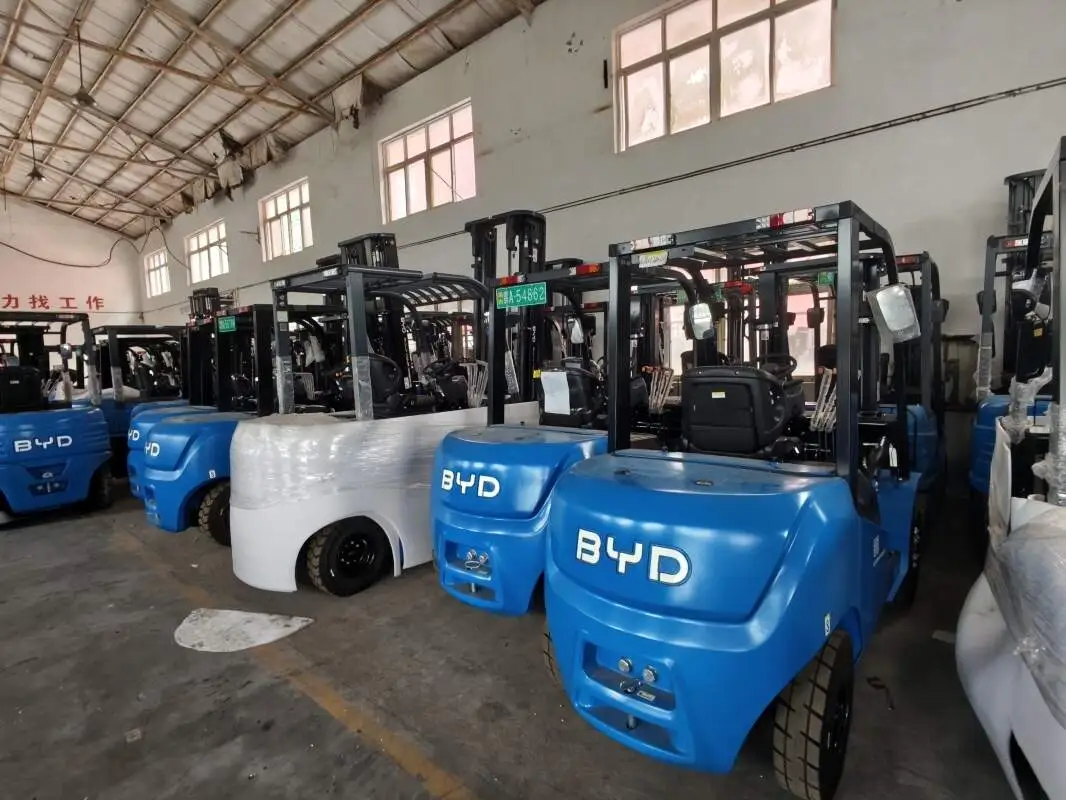
The mast protector is a critical component of electric forklifts, serving to shield internal mast mechanisms from debris, impact, and environmental harm while enhancing overall operational stability. When damaged, it can lead to increased wear on mast parts, reduced lifting efficiency, and heightened safety risks in workplace settings. Conducting a root cause analysis of mast protector damage is essential to address issues at their source and implement effective preventive measures.
Root Causes of Mast Protector Damage
1. Operational Missteps
Many cases of damage stem from improper operator behavior. Overloading the forklift beyond recommended limits can exert excessive pressure on the mast protector, causing bending or cracking. Sudden, aggressive movements such as rapid lifting, lowering, or sharp turns may result in the load shifting and striking the protector. Additionally, failing to observe surrounding obstacles, such as low overhead beams or warehouse racking, often leads to direct impact damage.
2. Environmental Hazards
Warehouse and outdoor operating environments contribute significantly to mast protector degradation. Rough, uneven surfaces with sharp debris like metal shavings or broken pallets can scratch or puncture the protector over time. High humidity levels accelerate rust formation, weakening the protector’s structural integrity, while extreme temperatures can cause material warping or brittleness, making it more susceptible to impact damage.
3. Insufficient Maintenance and Wear
Over time, normal wear and tear takes a toll on mast protectors. Lack of regular inspections means minor issues like loose mounting bolts or small cracks go unnoticed, eventually escalating into major damage. Failing to lubricate moving parts adjacent to the protector can cause friction-related abrasions, further compromising its condition.
4. Incorrect Installation
Mast protectors that are not installed to standard specifications are prone to premature damage. Using mismatched parts or failing to secure bolts tightly can lead to excessive vibration during operation, causing the protector to shift and rub against other mast components. Poor alignment may also create gaps, allowing debris to enter and cause internal damage alongside protector wear.
Preventive Steps to Mitigate Damage
1. Comprehensive Operator Training
Implement regular training programs to educate operators on proper forklift handling techniques. This includes teaching load capacity limits, smooth operation of mast controls, and the importance of scanning for obstacles before maneuvering. Refreshers should be conducted periodically to reinforce safe practices and address any emerging bad habits.
2. Scheduled Inspections and Maintenance
Establish a routine inspection schedule, with weekly checks to assess mast protector condition, bolt tightness, and signs of wear or damage. Monthly detailed inspections should include cleaning the protector and surrounding areas to remove debris, and lubricating adjacent components to reduce friction. Promptly replace damaged protectors or repair minor issues to prevent further deterioration.
3. Environmental Control
Maintain clean operating environments by regularly sweeping warehouse floors to remove sharp debris. For outdoor operations, use designated paths free of obstacles and avoid areas with standing water to minimize rust risk. Install basic climate control measures in indoor facilities to regulate humidity and temperature, reducing material degradation.
4. Proper Installation and Part Replacement
Ensure all mast protectors are installed according to standard guidelines, using compatible parts and securing bolts to recommended torque levels. When replacing protectors, verify that the new component matches the forklift’s mast dimensions and design to ensure a proper fit. Document all installation and replacement activities for future reference.
By addressing these root causes and implementing targeted preventive steps, businesses can extend the lifespan of electric forklift mast protectors, reduce maintenance costs, and create a safer working environment for all personnel.