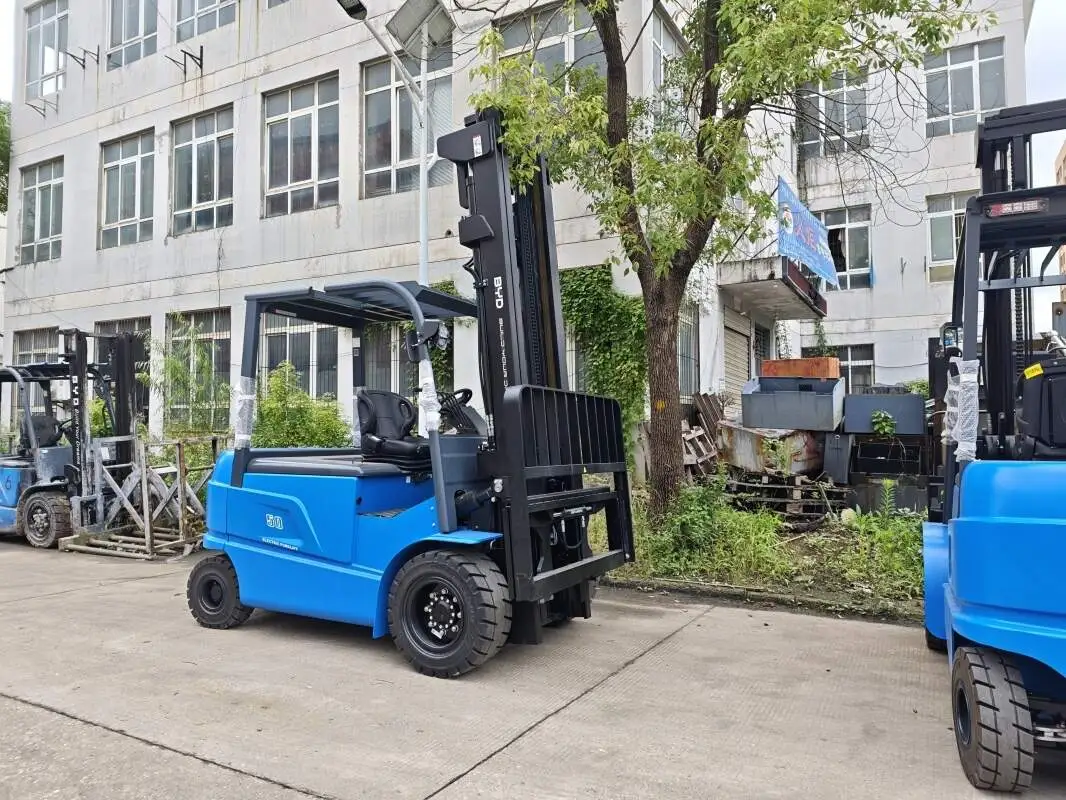
electric forklifts play a critical role in streamlining material handling operations across warehouses, distribution centers, and manufacturing facilities. Proper routine maintenance and timely repairs are essential to ensure consistent performance, minimize operational downtime, and uphold workplace safety standards.
Daily Pre- and Post-Shift Inspections
Before starting each shift, operators should conduct a visual walkaround to check key components. Begin with the battery: inspect terminals for corrosion, ensure connections are tight, and verify the electrolyte level (for flooded lead-acid batteries) falls within the recommended range. Next, examine the tires for signs of wear, cuts, or improper inflation, as damaged tires can compromise stability and maneuverability. Test the brake system by engaging the parking brake and applying the service brake to confirm responsiveness. Additionally, check hydraulic hoses for leaks, inspect the mast for cracks or bent components, and verify that all lights, horns, and safety alarms are functioning correctly.
After each shift, clean the forklift to remove dirt, debris, and spilled materials that could damage sensitive parts over time. Wipe down the battery compartment to prevent dust buildup, and ensure the operator’s cabin is free of clutter. Document any abnormalities noticed during inspections in a maintenance log to track issues and address them promptly.
Scheduled Deep Maintenance
Beyond daily checks, scheduled deep maintenance should be performed at intervals based on the forklift’s operating hours and manufacturer guidelines. For electric forklifts, this includes replacing hydraulic fluid every 1,500 to 2,000 operating hours to maintain optimal hydraulic system performance. Inspect the traction motor and drive axle for signs of wear, and lubricate moving components such as mast chains and pivot points to reduce friction and extend component life.
Battery maintenance is also a key part of scheduled upkeep. For flooded batteries, top up electrolyte with distilled water as needed and perform equalizing charges periodically to ensure uniform cell performance. For lithium-ion batteries, ensure they are charged using compatible chargers and avoid overcharging, which can shorten battery lifespan. Additionally, inspect the battery’s cooling system (if equipped) to ensure proper airflow and prevent overheating.
Common Fault Troubleshooting and Repair
Even with regular maintenance, electric forklifts may develop occasional faults. If the forklift experiences slow acceleration or reduced lifting power, check the battery charge level first—low charge is a common culprit. If the battery is fully charged, inspect the motor controller for error codes or loose connections. For hydraulic system leaks, identify the source of the leak (often a damaged hose or seal) and replace the faulty component promptly to prevent fluid loss and system failure.
If the brake system becomes unresponsive, check the brake fluid level and inspect brake pads for wear. Worn pads should be replaced immediately to ensure stopping power. For electrical issues such as non-functional lights or alarms, inspect wiring harnesses for damage or loose connections, and replace faulty bulbs or sensors as needed. Note that complex repairs involving the motor, controller, or high-voltage components should be performed by trained maintenance professionals to avoid safety risks.
Safety Precautions During Maintenance
When performing maintenance or repairs, always prioritize safety. Before working on the forklift, turn off the power, engage the parking brake, and place wheel chocks to prevent accidental movement. For battery-related work, wear protective gloves and goggles to avoid exposure to corrosive electrolytes. Never work under a raised mast unless it is securely supported by a mast lock or safety stands. Additionally, ensure maintenance is performed in a well-ventilated area, especially when working with batteries, to avoid buildup of harmful fumes.
By following these routine maintenance and repair guidelines, operators and maintenance teams can keep electric forklifts in optimal condition, reduce the risk of unexpected breakdowns, and ensure a safe and efficient material handling environment. Consistent upkeep not only extends the lifespan of the equipment but also contributes to lower long-term operational costs.