Slip risks pose a significant threat to electric forklift operations, especially in warehouse environments where wet floors, spilled materials, or uneven surfaces are common. These hazards can lead to accidents, equipment damage, and employee injuries, making it critical for operators and facility managers to prioritize slip prevention through standardized safe practices.
Before starting any electric forklift task, a thorough pre-operation inspection is non-negotiable. Begin by inspecting the forklift’s tires: ensure they have sufficient tread depth and are properly inflated, as worn or underinflated tires reduce traction and increase slip risks. Check the braking system to confirm it responds promptly, as delayed braking on slippery surfaces can result in loss of control. Additionally, examine the forklift’s load-bearing components to ensure they are in good condition, as unstable loads can contribute to slips and tip-overs.
Maintaining safe working surfaces is another key step to avoid slip risks. Regularly inspect warehouse floors for spills of liquids, oils, or debris, and clean them immediately using appropriate absorbent materials. Mark wet or slippery areas with visible warning signs to alert operators and other personnel. Avoid operating electric forklifts on uneven or loose surfaces, such as gravel or damaged concrete, as these can compromise traction. For outdoor operations, be extra cautious during rainy or snowy conditions: reduce speed significantly, increase following distance from other equipment, and avoid sudden maneuvers to maintain control.
Proper load handling plays a vital role in slip prevention. Ensure loads are evenly distributed and securely fastened to the forklift to avoid shifting, which can cause imbalance and increase the risk of slipping or tipping. Never overload the forklift beyond its rated capacity, as excess weight reduces stability and traction. When lifting or lowering loads, do so slowly and smoothly to prevent sudden movements that could lead to loss of control on slippery surfaces.
Comprehensive training is essential for all electric forklift operators. Operators should be trained to recognize slip hazards, understand how to adjust their driving behavior in slippery conditions, and follow all safety protocols. Encourage operators to maintain a safe speed at all times, especially in areas with potential slip risks, and to avoid sudden turns or stops. Regular refresher training can help reinforce these practices and keep operators aware of the latest safety guidelines.
After completing forklift tasks, follow proper post-operation procedures. Park the forklift on a level, dry surface and engage the parking brake firmly to prevent unintended movement. Clean any spills or debris from the forklift itself, especially around the tires and load area, to avoid tracking hazards to other parts of the facility. Report any surface hazards or equipment issues to facility managers immediately so they can be addressed promptly.
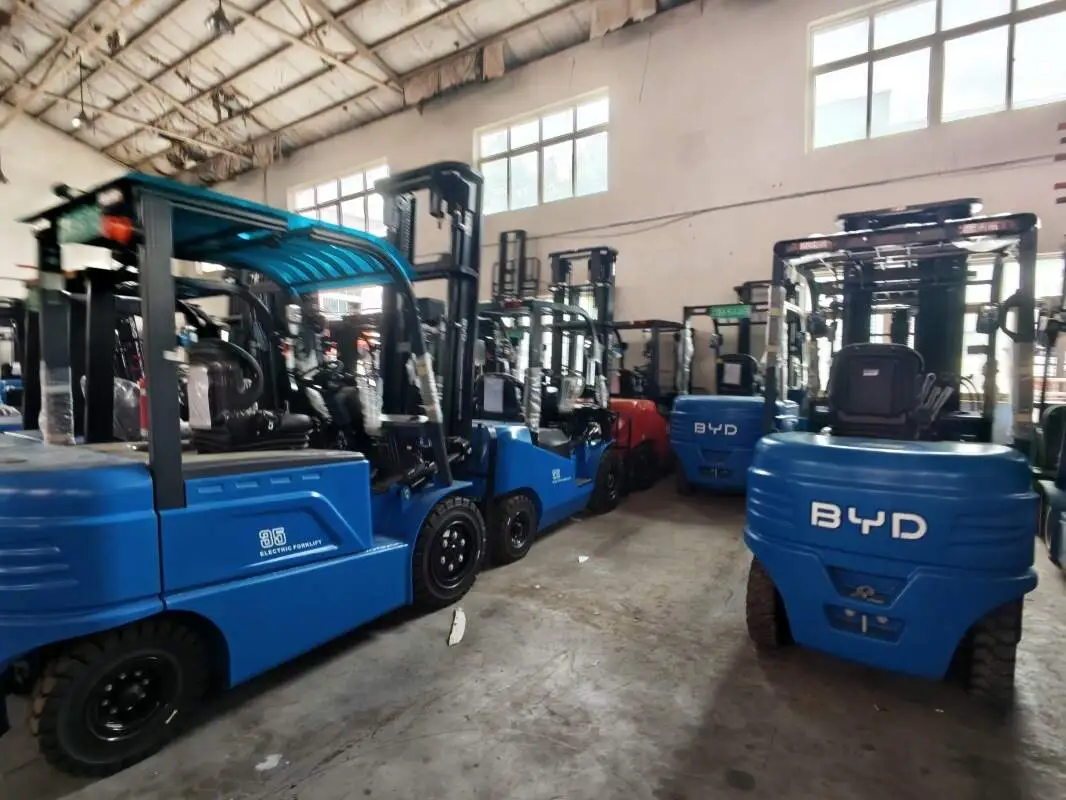
At Jianshu New Energy, we specialize in BYD electric forklifts and are committed to helping our customers maintain safe and efficient operations. Our team of experts can provide tailored guidance on forklift safety practices and assist with regular equipment maintenance to reduce slip risks. For more information on our products and safety support, feel free to contact us at 17399989919@163.com.