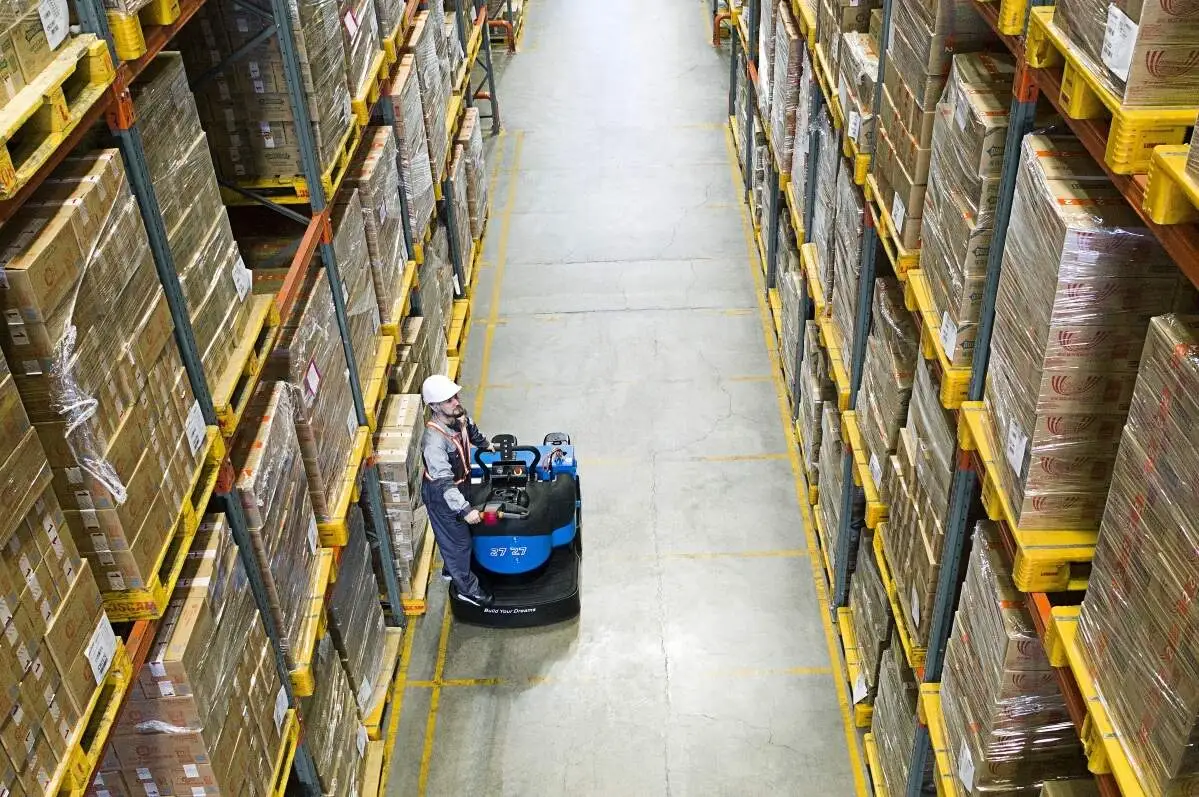
Warehouse forklift operations are essential for efficient material handling, but they also pose significant safety risks. Each year, incidents involving forklifts lead to injuries, property damage, and operational downtime. Strategic safety barrier configurations in forklift traffic zones are a critical line of defense, designed to separate pedestrians from heavy equipment, define clear traffic paths, and mitigate collision risks.
In primary forklift traffic corridors, continuous, robust barriers are paramount. These zones see high-volume forklift movement, so barriers should run the full length of the corridor to prevent unauthorized pedestrian entry. The height of barriers should be sufficient to stop a forklift from crossing over—typically between 42 and 48 inches—while maintaining visibility for both operators and pedestrians. Gapless installations eliminate potential entry points, ensuring that the barrier acts as an unbroken physical deterrent. Additionally, reflective striping on barriers enhances visibility in low-light warehouse environments, helping operators spot boundaries even during early morning or night shifts.
Intersections and turning points are high-risk areas where forklifts may have limited visibility. For these zones, a combination of barrier types can improve safety. Curved barriers guide forklifts through turns smoothly, reducing the risk of sharp turns that could lead to tip-overs or collisions. At the same time, shorter, visibility-enhancing barriers near crosswalks allow pedestrians to see oncoming forklifts while still providing a physical barrier. Installing warning signs alongside barriers at intersections reinforces traffic rules, reminding both operators and pedestrians to proceed with caution.
Pedestrian work zones, such as picking stations or packing areas, require specialized barrier configurations to create clear separation. Modular barriers are ideal here, as they can be adjusted to fit changing warehouse layouts. These barriers should be positioned at least three feet away from workstations to provide a buffer zone, preventing forklifts from getting too close to employees performing hand tasks. In areas where temporary material storage is common, movable barriers can be repositioned to adapt to new traffic patterns, ensuring safety even as warehouse operations evolve.
Loading docks are another critical area where forklift traffic intersects with delivery vehicles and pedestrian activity. Barriers here should be designed to withstand heavy impacts, as forklifts may maneuver close to dock edges. Steel guardrails are a popular choice for dock areas, as they can absorb impact energy and prevent forklifts from falling off the dock. Additionally, bollards placed at intervals along the dock edge provide extra protection for loading equipment and prevent accidental collisions with dock structures.
When selecting barrier types, it’s important to balance durability with functionality. Rigid barriers, such as steel or concrete structures, offer maximum protection in high-traffic zones where heavy impacts are likely. Flexible barriers, on the other hand, are suitable for areas where minor impacts may occur, as they can absorb energy and reduce damage to both the forklift and the barrier. The choice should be based on the specific traffic volume, speed limits, and proximity to pedestrian zones in each area of the warehouse.
Proper installation and regular maintenance are key to ensuring safety barriers remain effective. Barriers should be anchored securely to the warehouse floor to prevent them from being moved or knocked over by forklifts. Regular inspections should check for damage, such as bent rails or loose anchors, and repairs should be made promptly. Training employees on the purpose of barriers and enforcing traffic rules further enhances their effectiveness, as everyone in the warehouse understands how to interact with the safety infrastructure.
By implementing tailored safety barrier configurations in warehouse forklift traffic zones, facility managers can significantly reduce the risk of accidents. Each zone requires a unique approach, based on traffic patterns, pedestrian activity, and operational needs. Investing in the right barriers, maintaining them properly, and training staff on safety protocols creates a safer work environment for everyone, protecting both employees and valuable warehouse assets while supporting efficient daily operations.