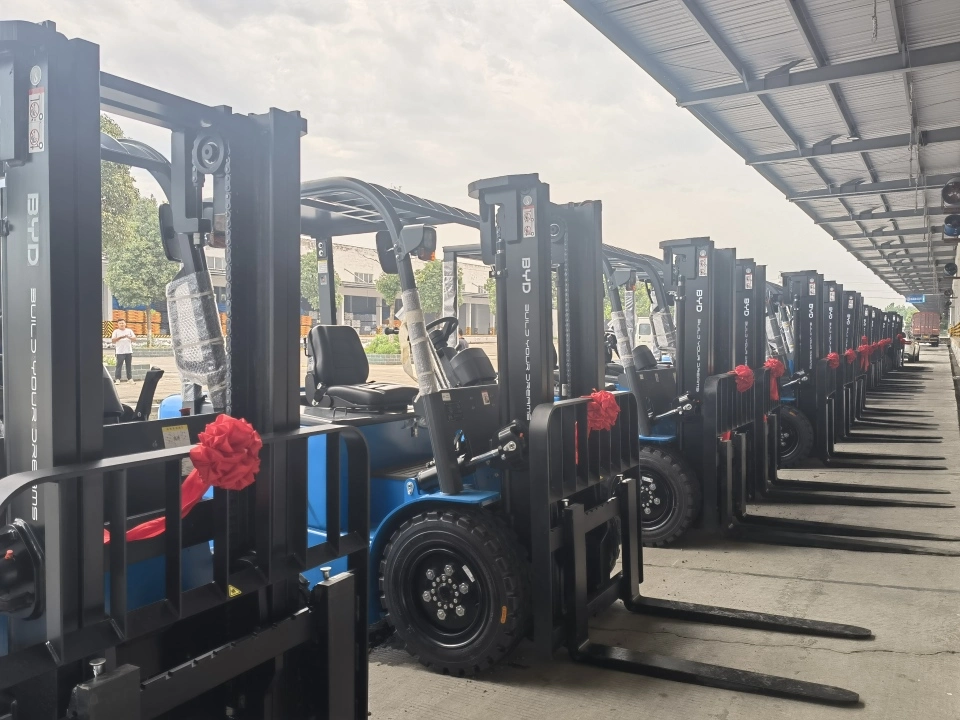
Food processing plants operate in environments where food safety is non-negotiable, making the safe and compliant use of electric forklifts a critical priority. Unlike standard industrial settings, food facilities have strict hygiene and safety requirements to prevent cross-contamination and ensure regulatory adherence. Below are key compliance points to follow for electric forklifts in these facilities.
Sanitation and Hygiene Compliance
Food processing environments demand forklifts that can maintain high hygiene standards. Electric forklifts must feature smooth, non-porous surfaces that are easy to clean and sanitize, with no crevices where food particles or bacteria can accumulate. Regular cleaning schedules should be established, using food-safe sanitizers that do not leave harmful residues. Forklifts should be kept away from open food processing areas when not in use, and any spills or debris on the forklift should be removed immediately to prevent contamination risks.
Electrical Safety Protocols
Given the often damp or humid conditions in food plants, electrical safety for electric forklifts is paramount. All electrical components, including batteries, wiring, and connectors, must be inspected regularly for signs of wear, corrosion, or damage. Proper insulation and waterproofing measures should be in place to avoid short circuits or electrical hazards. Charging stations should be located in designated, well-ventilated areas separate from food processing zones, with clear signage indicating safe charging practices to minimize fire risks.
Operator Training and Certification
Only trained and certified operators should be allowed to operate electric forklifts in food processing plants. Training programs must cover not only standard forklift operation but also food safety-specific protocols, such as avoiding contact with food products, navigating around processing equipment without causing contamination, and responding to spills or hygiene breaches. Operators should undergo regular refresher training to stay updated on new safety regulations and best practices.
Regular Maintenance and Documentation
Consistent maintenance is essential to keep electric forklifts in compliance with safety standards. A scheduled maintenance plan should include inspections of brakes, tires, steering systems, and battery performance. All maintenance activities, repairs, and inspections must be documented in detail, creating a clear record that can be reviewed during regulatory audits. This documentation helps demonstrate that the forklift is being properly cared for and operates safely.
Regulatory Adherence
electric forklift use in food processing plants must align with regional food safety and occupational safety regulations. Facilities should stay informed about updates to these regulations and ensure their forklift operations meet all requirements, including equipment specifications, operator qualifications, and hygiene protocols. Regular internal audits can help identify gaps in compliance and allow for timely corrections.
For food processing plants seeking electric forklifts that meet these strict compliance standards, Jianshu New Energy specializes in BYD electric forklifts, designed to address the unique needs of food industry environments. For more information, you can reach us at 17399989919@163.com.