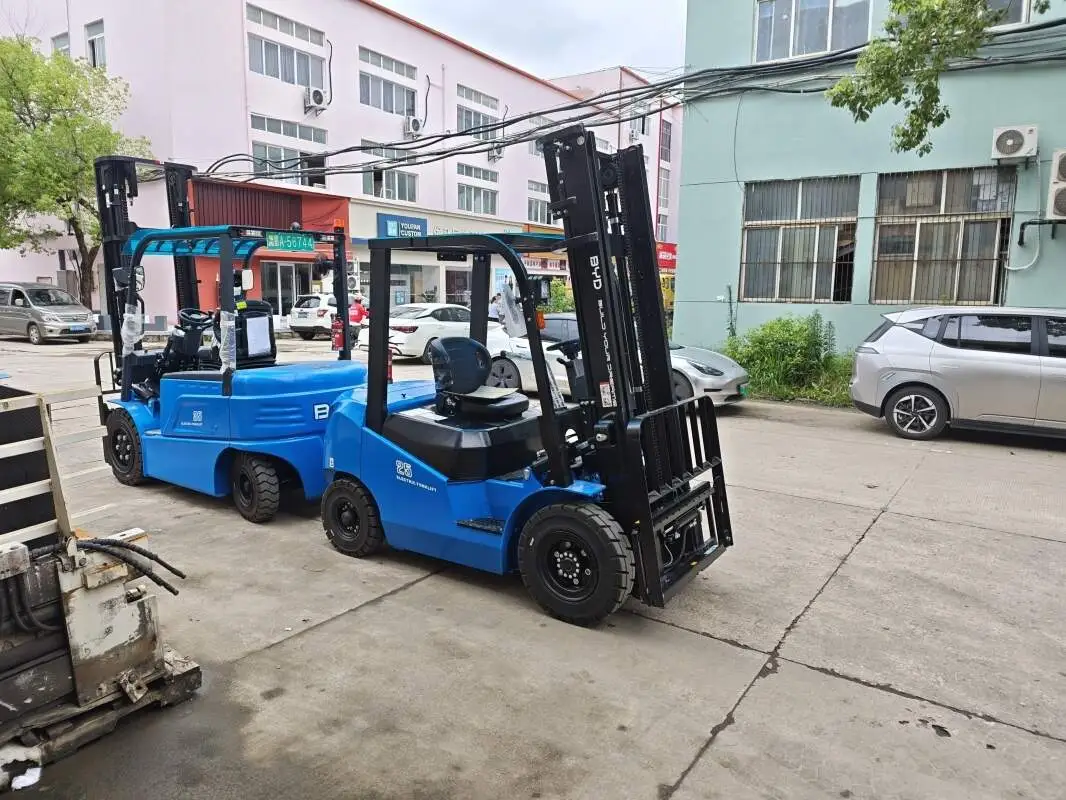
For forklift operators and warehouse workers, foot safety is a top concern, especially when working around heavy electric forklifts. A common question lingers: Will a standard steel toe boot hold up if a forklift rolls over it?
First, it’s important to understand the design of a standard steel toe boot. Most are manufactured to meet international safety standards, requiring the steel toe cap to withstand 2,500 to 5,000 pounds of static pressure. This shields toes from falling objects or stationary heavy items, but forklifts present unique risks due to dynamic movement and weight distribution.
Electric forklifts typically weigh 3,000 to 12,000 pounds, depending on size and load capacity. While this weight seems daunting, it’s distributed across the forklift’s tires. When a tire presses on a steel toe boot, the force applied to the foot depends on the tire’s contact patch. A wide contact area spreads the weight, reducing pressure on the toe cap.
In controlled static tests, standard steel toe boots often resist crushing under a forklift tire. However, dynamic scenarios—like a rolling forklift or sudden weight shift—pose greater risks. Shear force from a moving tire can damage the boot beyond the toe cap, and even if the steel toe holds, impact and compression may cause internal bruising, fractures, or ankle injuries not visible externally.
Wear and tear also compromises boot integrity. Cracks in the steel toe, worn soles, or damaged stitching reduce protective capabilities, so regular inspections are critical.
Ultimately, a standard steel toe boot offers valuable protection but no guarantee against forklift-related injury. The best defense combines PPE with core safety practices: never stand in a forklift’s travel path, maintain safe distances, use designated walkways, and ensure footwear meets current standards. Regular safety training for operators and staff further minimizes accident risks, emphasizing that proper work practices are as vital as protective gear for workplace foot safety.