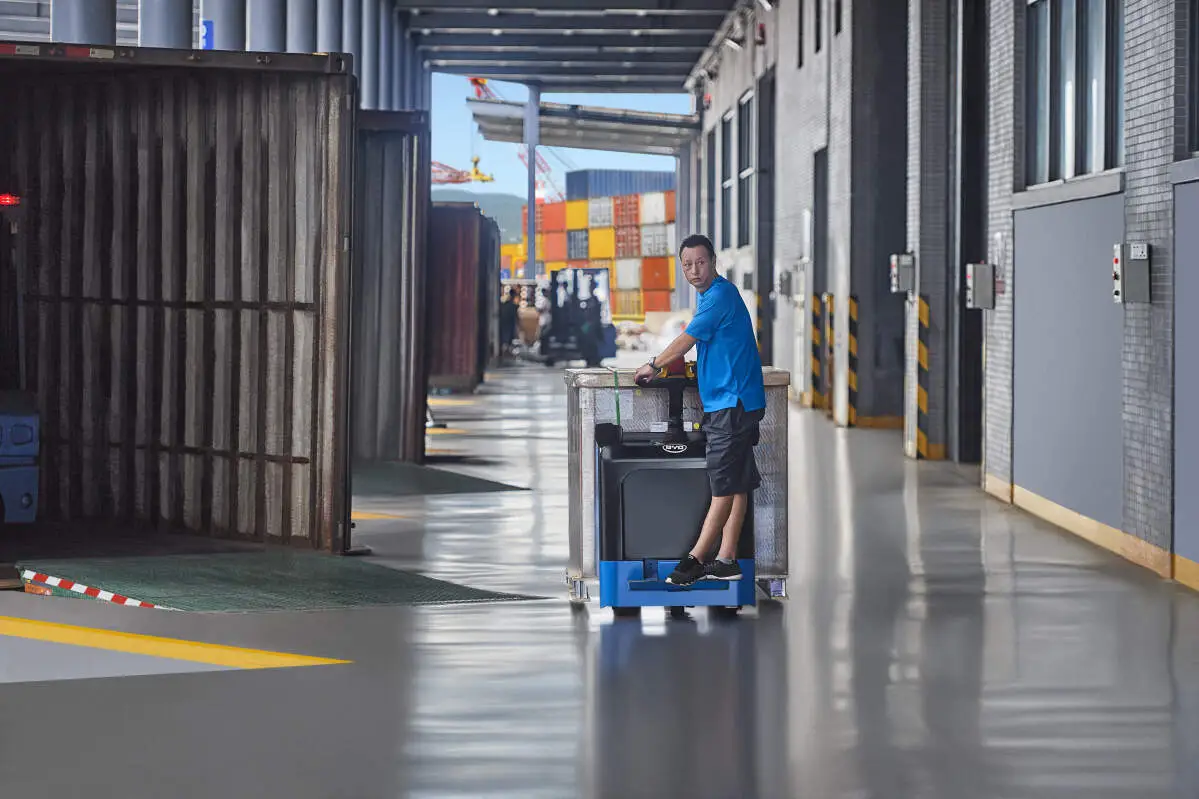
electric forklifts are integral to efficient material handling in warehouses, manufacturing plants, and distribution hubs. While operators prioritize load maneuvering and operational safety, parking practices often go overlooked—yet they are key to preventing avoidable workplace incidents. Knowing which locations to avoid for forklift parking is a critical skill for every operator and facility manager.
Emergency exits and fire lanes top the list of unsuitable parking spots. These pathways are designed to provide unobstructed access for employee evacuation during emergencies and for fire response vehicles to reach affected areas. Parking a forklift here blocks life-saving routes, delaying emergency actions and endangering personnel. It also violates local safety regulations, which can result in hefty fines and compliance penalties. Operators must always keep these zones clear and unoccupied.
Sloped or uneven ground is another high-risk area for forklift parking. Even with the parking brake engaged, electric forklifts can roll or shift on inclines, especially if the surface is slippery or unstable. A moving parked forklift can collide with racks, equipment, or nearby workers, causing property damage and serious injuries. Even slight slopes may lead to gradual shifts over time, compromising stability. Always park forklifts on flat, level surfaces that can support the vehicle’s total weight, and use wheel chocks for added security when necessary.
Zones storing flammable or explosive materials—such as chemical storage areas or fueling stations—are strictly off-limits for forklift parking. electric forklift batteries can produce sparks during charging or if electrical components malfunction, which could ignite volatile substances. Even a parked forklift in these areas poses a fire or explosion risk. To mitigate hazards, park forklifts in designated, well-ventilated areas far away from flammable materials, adhering to recommended safety distances outlined in workplace guidelines.
High-pedestrian traffic zones, including entryways, break rooms, and main walkways, are also unsuitable for parking. Parked forklifts obstruct visibility for both pedestrians and other equipment operators, increasing the likelihood of accidental collisions. Pedestrians may fail to notice a parked forklift around corners or in low-light areas, leading to unexpected impacts. Facilities should establish clearly marked, separate parking areas for forklifts that are isolated from regular foot traffic to protect all personnel.
Finally, parking near operating heavy machinery or sensitive equipment can lead to unintended accidents. Machinery operators may have limited visibility, increasing the risk of colliding with a parked forklift during operations. Vibrations from nearby running equipment can also cause a parked forklift to shift, damaging both the vehicle and adjacent machinery. Maintain a safe distance between parked forklifts and active work zones or operating equipment to prevent such incidents.
In conclusion, safe forklift parking is a foundational element of workplace safety. By avoiding these unsuitable locations, operators can significantly reduce the risk of injuries, property damage, and operational disruptions. Regular training programs should reinforce these guidelines, and facility managers should install clear signage to mark approved parking areas. Prioritizing proper parking practices helps create a secure environment for all employees and supports smooth, efficient daily operations.