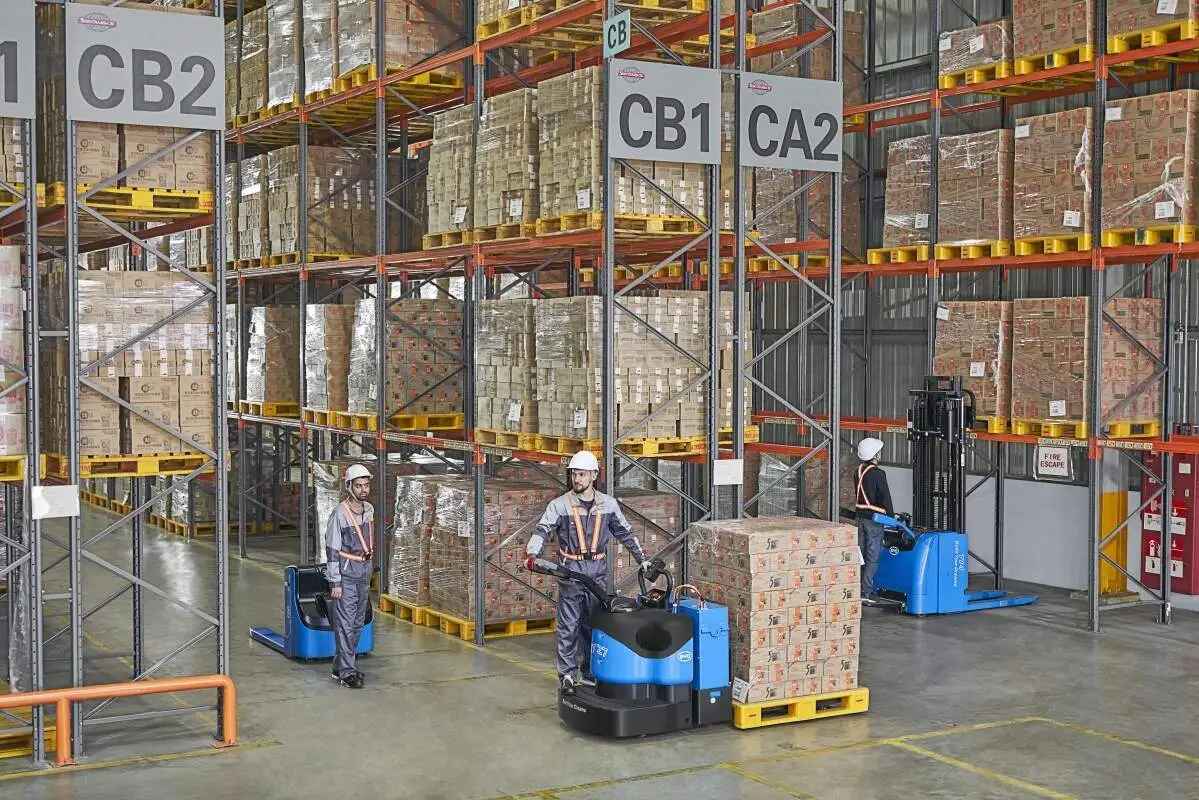
electric forklifts fitted with long fork blades play a vital role in handling elongated materials such as pipes, lumber, and steel beams in warehouses, construction sites, and manufacturing facilities. While these specialized forks enhance operational efficiency, they also introduce unique safety challenges that demand strict adherence to standardized operating procedures.
Pre-operation inspection is the foundational step to prevent accidents. Before starting the forklift, operators must thoroughly examine the long fork blades for signs of wear, cracks, or deformation. Loose or damaged fork attachments should be addressed immediately to avoid load instability during operation. Additionally, check the hydraulic system for leaks, ensure tires are properly inflated, verify brake functionality, and confirm that all safety lights and horns are in working order. A quick inspection of the fork’s locking mechanism is also essential to secure the long blades in place.
When handling loads, proper load management is critical. Always ensure the load’s center of gravity is positioned within the fork’s designated load-bearing zone, typically centered across the blades. Overloading the forklift beyond its rated capacity, especially with long and heavy materials, can lead to tipping or fork failure. Secure elongated loads using straps or binders to prevent shifting during transport. Operators should avoid sudden lifting or lowering movements; instead, use smooth, controlled motions to maintain load stability. If the load obstructs forward visibility, reverse the forklift slowly or use a spotter to guide movement.
During driving, adjust operations to account for the extended length of the forks. Reduce travel speed significantly, especially in narrow aisles or crowded areas, to allow ample time to react to obstacles or sudden changes in the environment. When turning, slow down and widen the turning radius to avoid the long forks colliding with racks, walls, or other equipment. Never raise the long forks to full height while driving, as this increases the forklift’s center of gravity and raises the risk of tipping. Always keep a safe distance from pedestrians and other machinery, using the horn to signal presence when approaching blind spots.
After completing operations, proper parking and maintenance are key to extending the forklift’s lifespan and ensuring safety for the next use. Lower the long forks to the ground, engage the parking brake, and turn off the power supply. Conduct a post-operation check to note any new damage to the forks or other components, and report issues to maintenance teams promptly. Regular scheduled maintenance, including lubricating fork pivot points and inspecting blade integrity, helps prevent unexpected failures during critical operations. By following these guidelines, operators can minimize risks and ensure safe, efficient use of electric forklifts with long fork blades.