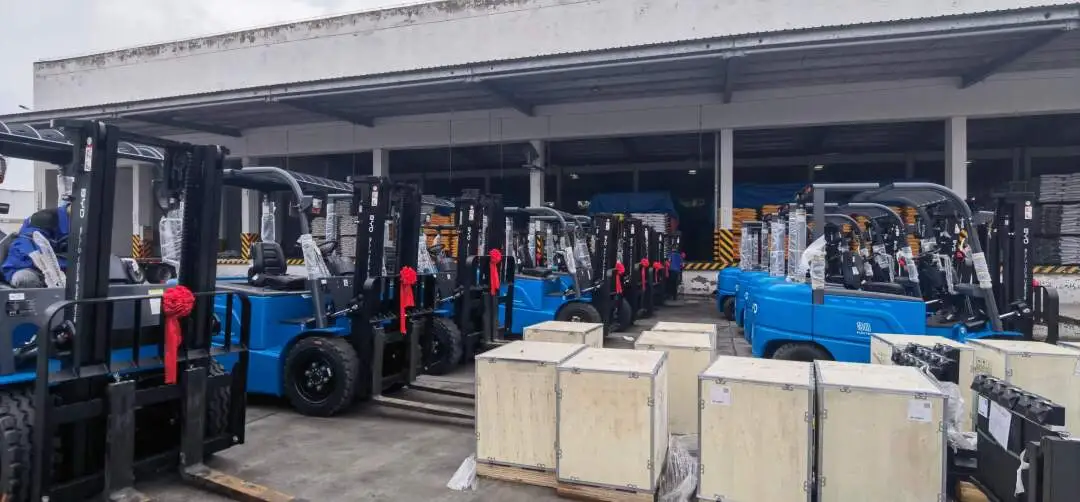
forklift clamp attachments are widely used in warehouses, logistics centers, and manufacturing facilities to handle irregularly shaped or delicate loads such as bales, drums, or boxes. Proper safety operation of these attachments is critical to preventing workplace accidents, protecting personnel, and ensuring efficient material handling. This guidance outlines key steps and best practices for safe operation of forklift clamp attachments.
Pre-Operation Safety Checks
Before starting any operation, conduct a thorough pre-use inspection of both the forklift and the clamp attachment. First, visually examine the clamp’s structural components, including the arms, hinges, and locking mechanisms, for signs of wear, cracks, or deformation. Ensure all fasteners are tight and secure. Next, check the hydraulic system for leaks, as fluid loss can lead to unexpected clamp failure. Test the clamp’s opening and closing functions several times to confirm smooth operation, and verify that the control buttons or levers respond accurately. Additionally, inspect the forklift’s tires, brakes, and overall stability to ensure it can safely support the combined weight of the attachment and the intended load.
Safe Handling Procedures
During operation, always prioritize load assessment before engaging the clamp. Determine the weight, size, and center of gravity of the load to ensure it falls within the forklift and clamp’s rated capacity. Avoid overloading, as this can compromise stability and lead to tip-overs. When approaching the load, position the forklift squarely and slowly, ensuring the clamp arms are aligned with the load. Operate the clamp with smooth, deliberate movements—avoid sudden opening or closing that could damage the load or cause it to shift. Maintain clear visibility at all times; if the load obstructs your view, use a spotter or reverse the forklift to navigate. Avoid sharp turns or sudden stops, especially when carrying a clamped load, as these actions can destabilize the forklift. Never allow personnel to stand or walk under or near the clamped load, as accidental release could result in serious injury.
Post-Operation Maintenance
After completing tasks, proper maintenance of the clamp attachment is essential for long-term safety and performance. Lower the clamp to the ground and turn off the forklift’s engine. Clean the clamp arms and hinges to remove dirt, debris, or residual material that could interfere with operation. Conduct a post-use inspection to identify any new wear or damage that may have occurred during operation, and report any issues to maintenance personnel promptly. Store the forklift and clamp attachment in a designated, dry area to prevent corrosion and damage from environmental factors. Ensure the clamp is fully closed or positioned in a safe, non-obstructive manner when not in use.
Emergency Response
In the event of a malfunction, such as hydraulic failure or a stuck clamp, remain calm and follow emergency protocols. If the load starts to shift, slowly lower the forklift’s mast to bring the load closer to the ground, reducing the risk of injury or damage. Do not attempt to force the clamp open or close manually, as this could cause further damage or personal harm. Evacuate the area if necessary and notify a supervisor or maintenance team to address the issue. Regular emergency drills can help personnel respond effectively to unexpected situations, minimizing risks to themselves and the workplace.