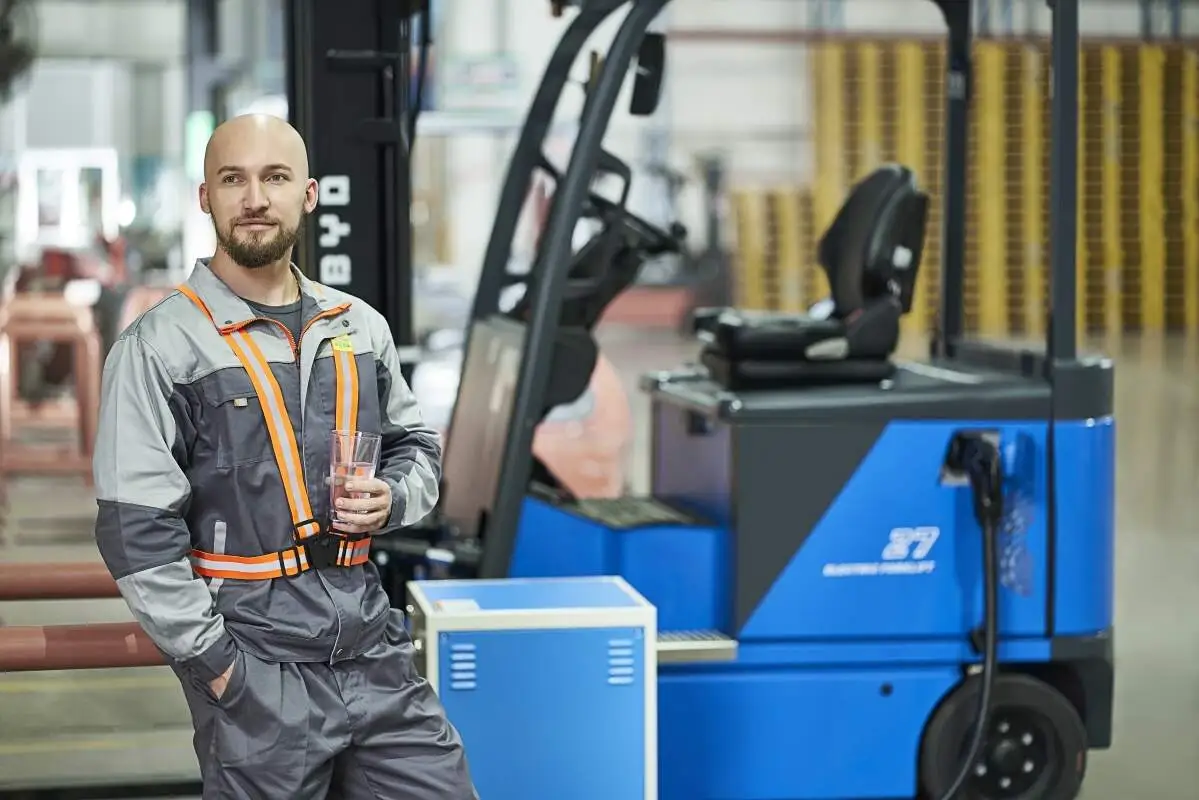
Manual forklifts are widely used in warehouses, distribution centers, and industrial settings to move heavy loads efficiently. For new operators, mastering safe operation practices is critical to preventing workplace accidents, protecting personnel, and maintaining equipment integrity. This guidance outlines essential safety steps that every new manual forklift operator should follow.
Pre-Operation Safety Checks
Before starting any task, new operators must conduct a thorough pre-operation inspection of the manual forklift. Begin by examining the tires for proper inflation and signs of wear or damage, as faulty tires can lead to instability during movement. Check the brake system to ensure it engages smoothly and stops the forklift effectively. Inspect the forks for cracks, bends, or excessive wear, and verify that the hydraulic system is free of leaks. Additionally, operators should wear appropriate personal protective equipment (PPE), including steel-toe boots to protect feet from falling loads, and high-visibility vests to ensure they are visible to others in busy work areas.
Safe Practices During Operation
During operation, always prioritize slow and controlled movement. Manual forklifts should be operated at a speed that allows for immediate stopping, especially in narrow aisles or areas with high pedestrian traffic. When turning, reduce speed and use caution to avoid tipping or colliding with obstacles. Maintain clear visibility of the path ahead; if a load blocks forward vision, operate the forklift in reverse, using mirrors to navigate. Ensure loads are balanced and secured properly before lifting—overloading or unevenly distributed loads can cause the forklift to tip over. The forks should be positioned under the load with equal spacing, and lifted only high enough to clear the ground (typically 4 to 6 inches) when moving to prevent instability. Never allow anyone to ride on the forks or the body of the forklift, as this poses a severe fall risk. Always yield to pedestrians and communicate intentions using hand signals or verbal cues in noisy environments.
Post-Operation Procedures
Once the task is completed, follow proper post-operation steps to ensure the forklift is ready for future use and does not pose hazards. Lower the forks completely to the ground to eliminate the risk of accidental falls. Engage the parking brake to secure the forklift in place, and lock the hydraulic control lever to prevent unintended movement. Park the forklift in a designated, well-lit area away from walkways, fire exits, or loading docks. Conduct a quick inspection to note any damage or issues encountered during operation, and report these to a supervisor or maintenance team promptly. Clean any debris or spilled materials from the forklift to maintain its functionality and prevent slips or falls around the equipment.
Emergency Response Protocols
In the event of an emergency, new operators should remain calm and follow established workplace protocols. If a load starts to shift or the forklift begins to tip, do not jump off—instead, grip the steering wheel or handlebars and lean away from the direction of the tip to minimize injury. If the forklift breaks down during operation, move it to a safe area if possible, turn off any controls, and alert a supervisor immediately. Do not attempt to repair the forklift unless trained to do so. In case of an accident involving personnel or property, provide first aid if qualified and report the incident to management without delay.