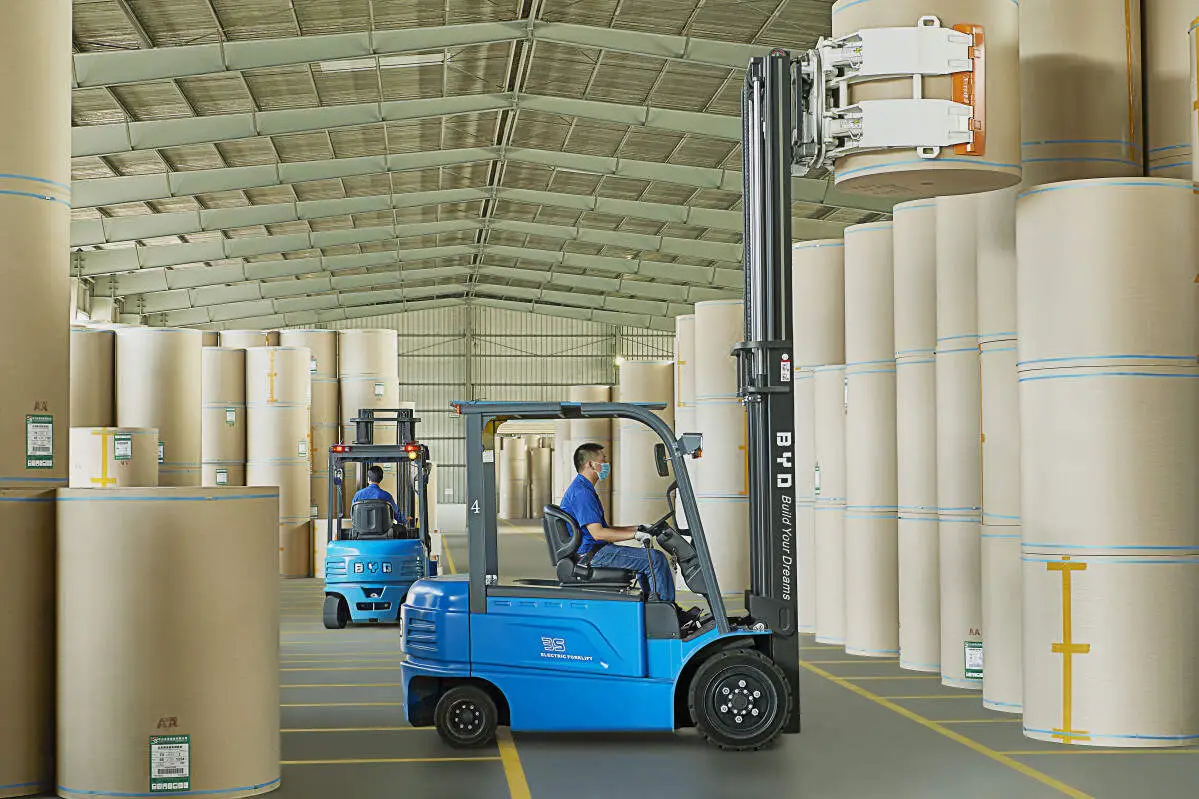
Rear-wheel steering forklift trucks are widely used in warehouses, distribution centers and industrial settings due to their maneuverability in tight spaces. However, their unique steering mechanism requires specific safety precautions to avoid accidents. This guide outlines essential safety operation notes to ensure safe and efficient operation of these vehicles.
Before starting the forklift, conduct a thorough pre-operation inspection. Begin with visual checks: examine the tires for wear or damage, ensure the steering system moves smoothly without unusual noises, and verify that brake pads are in good condition. Check fluid levels, including hydraulic oil, engine oil and coolant, to prevent mechanical failures during operation. Inspect the forks for cracks or bending, and confirm that the seatbelt is intact and functional. Never operate a forklift that shows signs of damage or malfunction; report issues to a qualified technician immediately.
When operating a rear-wheel steering forklift, remember that the rear wheels turn, which can cause the vehicle to pivot more sharply than front-wheel steering models. Maintain a slow speed, especially in narrow aisles or crowded areas, to avoid collisions. Keep a safe distance from pedestrians, racks and other equipment. Avoid sudden turns or jerky movements, as these can lead to instability or tip-overs. When traveling on ramps, always drive forward when ascending and reverse when descending to maintain control. Do not carry passengers on the forklift, and keep your hands and feet inside the vehicle at all times.
Proper load handling is critical to prevent tip-overs. Ensure the load is evenly distributed on the forks and does not exceed the forklift’s rated capacity. Tilt the mast slightly backward to secure the load before moving, and avoid raising the forks higher than necessary while driving. When stacking or retrieving loads, move slowly and carefully, ensuring the load is aligned with the rack. Never drive with the forks raised to full height, as this increases the risk of instability. If the load blocks your forward visibility, travel in reverse, using the rearview mirror and sounding the horn to alert others.
After completing tasks, park the forklift in a designated area with the forks lowered to the ground. Engage the parking brake, turn off the engine and remove the key. Conduct a quick post-operation check to identify any new damage or issues that need attention. Clean the forklift as needed to remove debris that could affect performance. Store the vehicle in a dry, well-ventilated space away from flammable materials.
Following these safety operation notes helps reduce the risk of accidents, protect workers and extend the lifespan of the forklift. Regular training and adherence to safety protocols are essential for all operators to ensure a safe workplace environment.