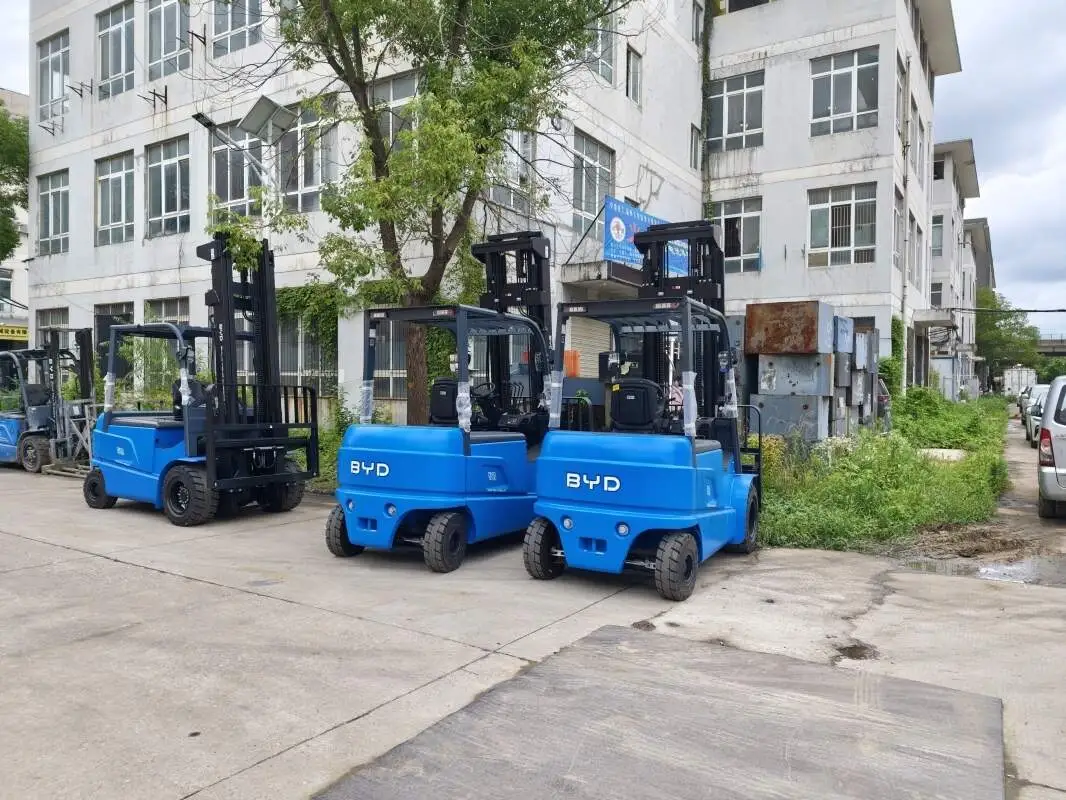
Operating electric forklifts in areas with high pedestrian traffic, such as warehouses, distribution centers, and loading docks, presents unique safety challenges. Unlike isolated industrial zones, these shared spaces require constant vigilance to prevent collisions and ensure the well-being of both forklift operators and pedestrians. Below are key safety precautions to follow when operating electric forklifts near pedestrian areas.
Pre-Operation Equipment Checks
Before starting any task, operators must conduct a thorough inspection of the electric forklift. This includes verifying the functionality of brakes, headlights, tail lights, and warning horns—critical tools for alerting pedestrians to the forklift’s presence. Additionally, check the battery’s charge level and ensure all hydraulic systems are working properly. A well-maintained forklift reduces the risk of sudden malfunctions that could lead to accidents in busy pedestrian zones.
Strict Speed Control in Pedestrian Zones
Speed management is one of the most effective ways to enhance safety near pedestrians. Operators should adhere to a maximum speed limit of 5 km/h in high-traffic pedestrian areas, adjusting speed further when navigating narrow aisles or blind corners. Maintaining a safe distance of at least three meters from pedestrians at all times provides enough reaction time for both operators and pedestrians to avoid potential hazards.
Enhance Visibility and Use Warning Devices
Visibility is paramount in shared spaces. Operators should keep forklift headlights and warning lights turned on, even in well-lit environments, to make the vehicle easily noticeable. Utilize the horn or reverse alarm when approaching blind spots, doorways, or areas where pedestrians may be hidden. For added safety, operators should regularly check mirrors and use any available camera systems to monitor blind spots, ensuring no pedestrians are in the forklift’s path before moving.
Clear Communication with Pedestrians
Effective communication between operators and pedestrians helps prevent misunderstandings. Operators should use standard hand signals to indicate turns, stops, or reverse movements. Maintaining eye contact with pedestrians confirms they are aware of the forklift’s presence and intentions. When pedestrians are in the immediate area, operators should stop the forklift and wait until the path is clear before proceeding, prioritizing pedestrian safety at all times.
Regular Training and Emergency Drills
Continuous training is essential for operators to stay updated on safety protocols. Regular sessions should cover pedestrian interaction best practices, emergency response procedures, and proper forklift operation in crowded areas. Conducting periodic emergency drills, such as simulating a collision or sudden equipment failure, helps operators react quickly and appropriately in real-world situations, minimizing potential harm.
By following these safety precautions, operators can significantly reduce the risk of accidents when operating electric forklifts near pedestrian areas. Jianshu New Energy, a specialist in electric forklifts, is committed to helping businesses implement safe and efficient forklift operation practices. For professional guidance or inquiries about electric forklift solutions, you can reach us at 17399989919@163.com.