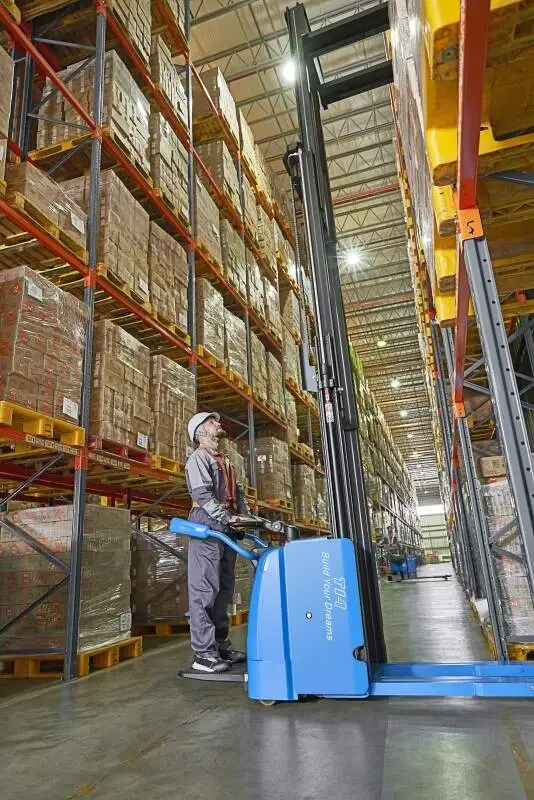
Gaylord boxes are widely used in warehouses and distribution centers for transporting and storing bulk materials, making their safe handling with forklifts a top priority for workplace safety. Adhering to standardized procedures helps prevent accidents, protect personnel, and minimize damage to both the boxes and the goods inside.
Pre-Operation Safety Checks
Before operating a forklift to handle Gaylord boxes, operators must complete a thorough pre-operation inspection. Start by examining the forklift itself: verify that brakes, steering, hydraulic systems, and lighting are functioning correctly. Check tire pressure and ensure there are no leaks or visible damages to the forklift’s body. Next, inspect the Gaylord box: look for signs of structural damage, such as cracked sides or a broken base, which could cause the box to collapse during lifting. Confirm that the load inside is evenly distributed and securely packed to avoid shifting during transport. Additionally, operators should wear appropriate personal protective equipment (PPE), including a hard hat, steel-toe boots, and a reflective vest, to safeguard against potential hazards.
Safe Lifting and Transportation Practices
When lifting a Gaylord box, adjust the forklift’s tines to match the width of the box’s base, ensuring they extend fully under the box for maximum stability. Lift the box slowly and steadily, avoiding sudden movements that could cause the load to shift or tip. Once lifted, keep the box at a height that allows clear visibility ahead—typically a few inches off the ground—to prevent collisions with obstacles or other workers. During transportation, maintain a slow, consistent speed, and reduce speed when turning or navigating narrow aisles. Always use the forklift’s horn to alert nearby personnel of your presence, and avoid abrupt stops or starts that could dislodge the load. If transporting the box outdoors, be mindful of uneven terrain and adverse weather conditions that may affect the forklift’s stability.
Proper Stacking and Storage
Stacking Gaylord boxes requires careful attention to maintain stability and prevent collapses. Choose a flat, level surface for stacking, ensuring the area is free of debris or unevenness that could compromise the base. When stacking, align each box precisely with the one below it to distribute the weight evenly. Do not exceed the recommended stacking height for the boxes or the warehouse’s structural limits, as overstacking can lead to instability and potential accidents. Avoid placing damaged boxes in a stack, as they may not support the weight of additional boxes. Additionally, ensure there is sufficient space between stacks to allow for safe forklift maneuvering and access.
Post-Operation and Emergency Protocols
After completing the task, park the forklift in a designated, secure area. Lower the tines to the ground, engage the parking brake, and turn off the engine. Conduct a quick post-operation check to identify any damages to the forklift or Gaylord boxes that occurred during use, and report any issues to a supervisor immediately. Operators should also be familiar with emergency protocols, such as how to respond if a box collapses or the forklift malfunctions. Regular training sessions and refresher courses are essential to keep operators updated on the latest safety practices and ensure consistent compliance.
By following these essential safety procedures, warehouse operators can significantly reduce the risk of accidents and create a safer working environment for everyone involved in handling Gaylord boxes with forklifts.