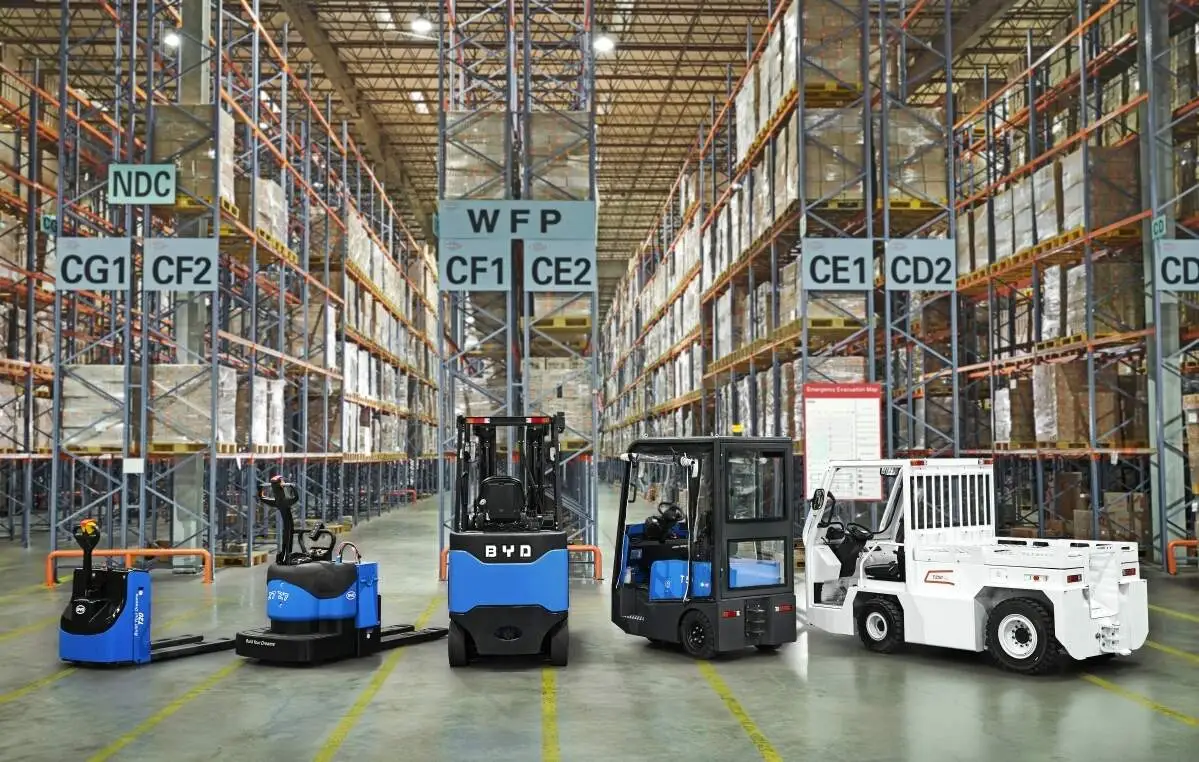
Operating electric forklifts on uneven ground surfaces presents unique safety challenges that require strict adherence to tailored protocols. Uneven terrain, including ramps, gravel, or potholed areas, can compromise forklift stability, increase the risk of tip-overs, and endanger both operators and nearby personnel. By following structured safety guidelines, operators can mitigate these risks and maintain a secure work environment.
Before initiating any operation on uneven ground, comprehensive pre-operation checks are critical. First, inspect the forklift’s tires for proper inflation and tread depth—worn or underinflated tires reduce traction and stability on rough surfaces. Next, examine the suspension system and brakes to ensure they function smoothly; faulty brakes can lead to loss of control on slopes or uneven terrain. Operators should also assess the ground conditions firsthand: identify potholes, loose gravel, or steep inclines, and plan a route that minimizes exposure to high-risk areas. If the terrain exceeds the forklift’s rated operating capacity for uneven surfaces, alternative equipment or route adjustments must be considered.
Proper load handling is essential to maintain forklift stability on uneven ground. Always ensure loads are evenly distributed and securely fastened to prevent shifting during movement. Avoid overloading the forklift beyond its specified capacity, as excess weight increases the likelihood of tip-overs, especially on slopes. When transporting loads on uneven terrain, keep the load as low as possible to lower the forklift’s center of gravity. If operating on a ramp, travel with the load facing uphill to maintain better control and reduce strain on the forklift’s components.
Safe maneuvering requires deliberate, controlled actions. Reduce travel speed significantly compared to flat surfaces—slower speeds allow operators to react to unexpected terrain changes and maintain stability. Avoid sharp turns or sudden direction changes, as these can disrupt the forklift’s balance. When navigating potholes or bumps, approach them slowly and straight on to minimize jolts that could shift the load or damage the forklift. On slopes, never attempt to turn the forklift; instead, travel straight up or down, and use the parking brake when stopping on an incline to prevent rolling.
After completing tasks on uneven ground, conduct a post-operation inspection to identify any damage to the forklift. Check for tire damage, loose components, or leaks that may have occurred during operation. Report any issues to maintenance personnel immediately to prevent further problems in future use. Park the forklift on a flat, stable surface, engage the parking brake, and lower the forks to the ground to ensure it remains secure when not in use. Additionally, operators should document any incidents or near-misses related to uneven ground operation to inform future safety training and protocol improvements.