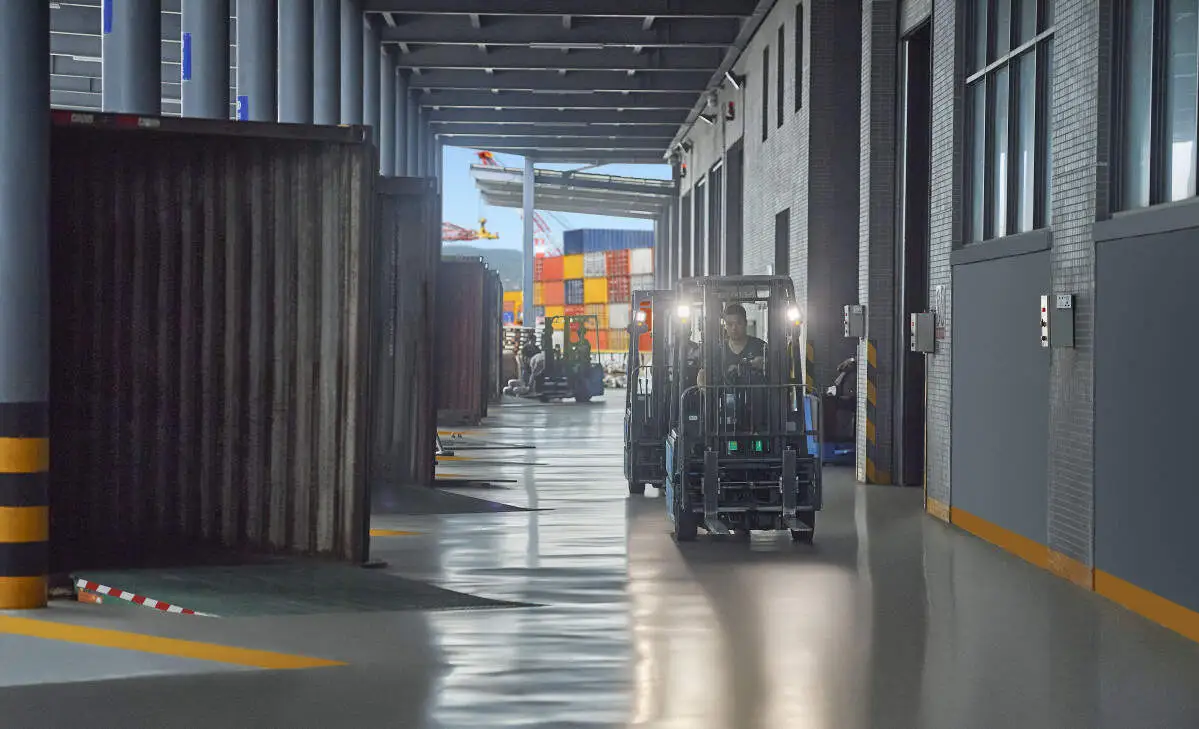
When using a used forklift safety cage work platform, adhering to strict safety standards is critical to preventing workplace accidents and ensuring the well-being of operators. Unlike new equipment, used safety cages may have wear and tear that requires extra vigilance, making compliance with established guidelines even more essential.
Pre-Use Inspection Protocols
Before each use, a thorough visual inspection of the used safety cage is mandatory. Check for signs of structural damage, such as cracked welds, bent metal frames, or loose bolts on guardrails. Inspect the locking mechanisms that secure the cage to the forklift’s forks—these must engage fully and show no signs of rust or corrosion. Additionally, verify that the floor of the cage is free of debris, has non-slip surfaces in good condition, and that any access gates close and latch securely. Any defects identified during this inspection must be addressed before the cage is put into service.
Load Capacity Compliance
Used safety cages come with specified load capacity ratings, which must never be exceeded. This rating includes the weight of the operator plus any tools or materials being lifted. It’s important to cross-reference the cage’s load limit with the forklift’s lifting capacity to ensure compatibility. Overloading can lead to structural failure of the cage or instability of the forklift, resulting in falls or tip-overs. Always calculate the total weight being lifted and confirm it falls within both the cage and forklift’s safe limits.
Secure Installation Requirements
Proper installation of the used safety cage on the forklift is a foundational safety step. The cage must be centered on the forklift’s forks and secured using dedicated locking pins or chains to prevent shifting during lifting. Ensure the forks are fully inserted into the cage’s fork pockets and that the cage rests evenly on the fork tines. Avoid using makeshift securing devices, as these can fail unexpectedly. Before lifting, test the stability of the cage by gently rocking it to confirm it is firmly attached.
Operational Safety Guidelines
During operation, the operator inside the safety cage must wear a properly fitted safety harness that is anchored to a secure point on the cage or forklift. The operator should remain positioned within the cage at all times, avoiding leaning over guardrails or reaching outside the platform. The forklift driver must operate the vehicle smoothly, avoiding sudden starts, stops, or turns that could cause the cage to sway. Communication between the cage operator and forklift driver is essential—use clear hand signals or two-way radios to coordinate movements.
Regular Maintenance and Certification
Used safety cages require regular maintenance to maintain their safety integrity. Schedule monthly inspections by trained personnel to check for wear, damage, or loose components. Annually, have the cage inspected by a qualified professional to ensure it meets industry safety standards. Keep detailed records of all inspections and repairs, as these may be required to comply with local occupational safety regulations. If any component is found to be beyond repair, replace the cage immediately to avoid risking operator safety.
By following these safety standards for used forklift safety cage work platforms, businesses can minimize the risk of accidents, ensure compliance with safety regulations, and protect their workforce. Remember, used equipment requires extra attention to condition and maintenance, so never skip pre-use checks or neglect necessary repairs. Prioritizing safety in every operation is the key to a secure and efficient workplace.