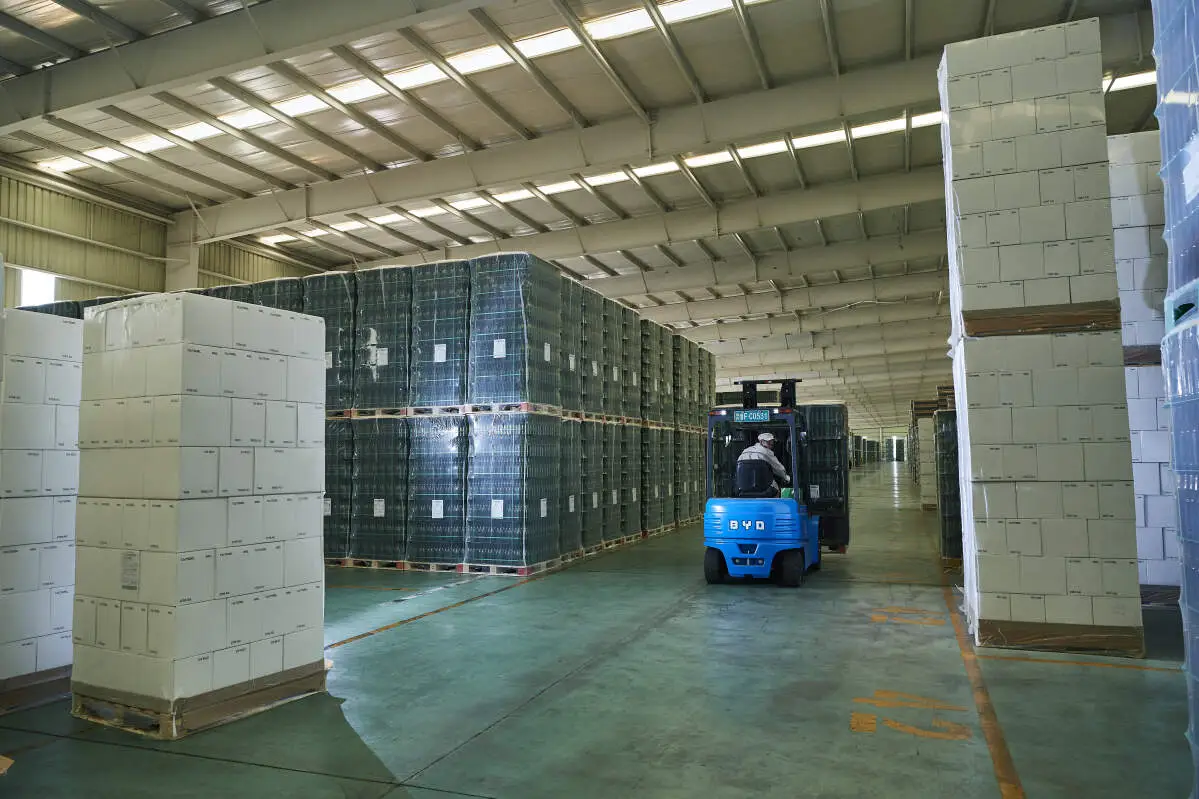
When investing in electric forklifts, choosing the right manufacturer is a critical decision that directly impacts operational efficiency, safety, and long-term cost management. With a range of options available, applying structured screening criteria helps narrow down choices to align with your business needs.
Quality and compliance standards should be the first priority in evaluating manufacturers. Reputable manufacturers design their forklifts to meet regulatory requirements set by global bodies such as OSHA (Occupational Safety and Health Administration) and ISO (International Organization for Standardization). This includes testing for structural integrity, battery safety, and operational stability to ensure the equipment can withstand daily industrial use without compromising worker safety. Additionally, check for robust materials and rigorous production processes that contribute to long-term durability, reducing the risk of unexpected breakdowns.
Reliable after-sales support is essential to minimize downtime and keep operations running smoothly. Evaluate the manufacturer’s ability to provide timely maintenance services, including on-site repairs and technical assistance. A responsive support team that can address issues quickly is crucial, especially in high-demand warehouse environments. Also, assess the availability of genuine spare parts. Manufacturers with a well-stocked supply chain can ensure replacement parts are accessible when needed, avoiding prolonged delays that disrupt productivity.
Every warehouse has unique operational requirements, such as narrow aisles, heavy load capacities, or specialized handling tasks. A flexible manufacturer should offer customization options to tailor forklifts to these specific needs. This might include adjusting lift heights, modifying attachment compatibility, or integrating advanced features like telematics for fleet management. Customization ensures the forklifts fit seamlessly into your workflow, enhancing overall efficiency rather than forcing your operations to adapt to standard equipment.
While upfront purchase price is a consideration, focusing solely on cost can lead to higher long-term expenses. Calculate the total cost of ownership (TCO), which includes initial purchase, battery charging costs, maintenance expenses, and replacement parts over the equipment’s lifespan. Manufacturers that prioritize energy-efficient designs can help reduce operational costs over time. Compare TCO across different manufacturers to make an informed decision that balances immediate investment with long-term savings.
Finally, assess the manufacturer’s industry experience and reputation. Look for manufacturers with a proven track record of serving businesses similar to yours, as this indicates a deeper understanding of your operational challenges. Customer testimonials and case studies can provide insights into the manufacturer’s reliability and the performance of their equipment. A manufacturer with positive feedback from existing clients is more likely to deliver consistent quality and support.
By applying these screening criteria, businesses can confidently select an electric forklift manufacturer that meets their operational, safety, and financial needs. Taking the time to evaluate each criterion ensures a wise investment that supports efficient and safe warehouse operations for years to come.