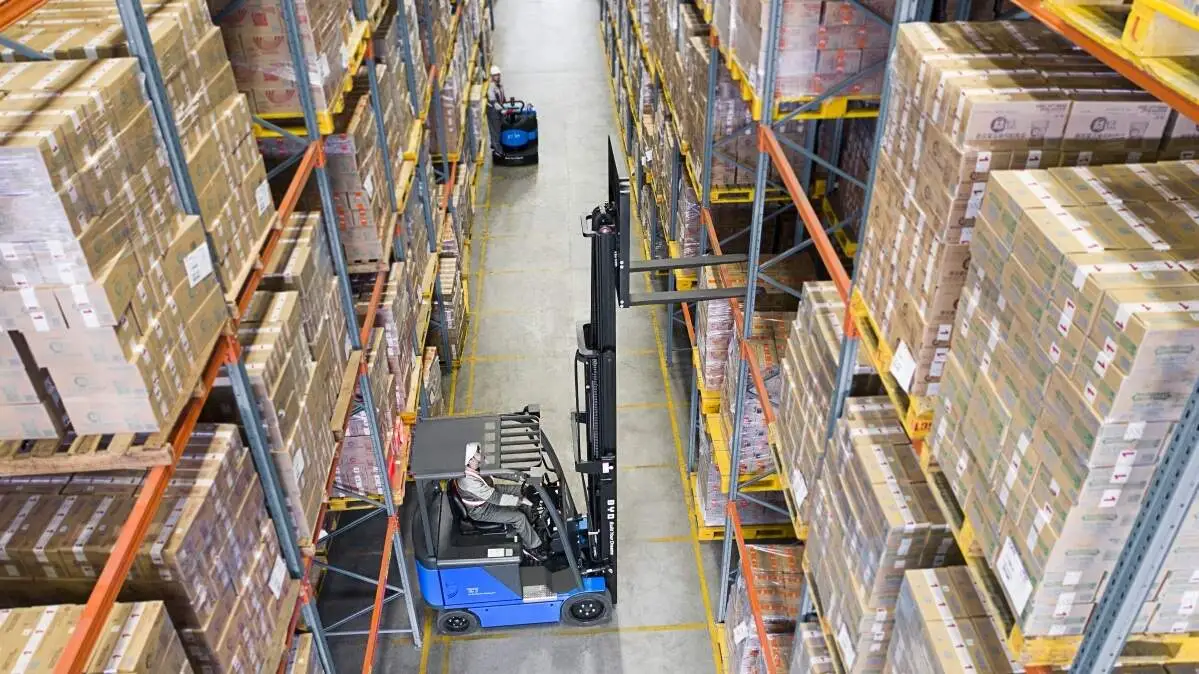
In the fast-paced world of material handling, electric forklifts have become a staple for efficient warehouse and logistics operations. However, investing in new batteries can be a significant expense, leading many businesses to explore second hand battery options as a cost-effective alternative.
When considering second hand batteries for electric forklifts, it’s essential to understand the most common types available. Lead-acid batteries are the most prevalent option in the used market. Known for their durability and low upfront cost, well-maintained used lead-acid batteries can still deliver reliable performance for moderate-duty applications. They require regular maintenance, such as checking electrolyte levels and cleaning terminals, but their affordability makes them a popular choice for small to mid-sized businesses.
Lithium-ion batteries are another option in the second hand market. While typically more expensive than used lead-acid batteries, they offer longer cycle life, faster charging times, and reduced maintenance needs. When evaluating used lithium-ion batteries, it’s critical to review their cycle history—batteries with fewer charge cycles will likely have more remaining capacity. These batteries are ideal for high-demand operations where uptime is a priority.
Before purchasing a second hand forklift battery, there are several key considerations to ensure you make a wise investment. First, request detailed performance records from the seller, including charging history, maintenance logs, and any past repairs. This information can help you gauge the battery’s overall health and expected lifespan. Next, conduct a visual inspection: check for signs of corrosion on terminals, cracks in the casing, or leaks, as these can indicate underlying issues. Additionally, perform a load test to measure the battery’s ability to hold a charge under typical operating conditions.
Proper maintenance is crucial to extending the life of a second hand electric forklift battery. For lead-acid models, establish a regular schedule to top up electrolyte levels with distilled water, clean terminals to prevent corrosion, and ensure charging is done in a well-ventilated area. For lithium-ion batteries, avoid overcharging or discharging them beyond recommended levels, and store them in a cool, dry environment when not in use. Regularly monitoring battery performance, such as tracking charge retention and voltage levels, can help identify potential problems early and prevent unexpected downtime.
Choosing the right second hand battery for your electric forklift doesn’t have to mean sacrificing performance for cost. By understanding the different battery types, conducting thorough inspections, and implementing a consistent maintenance routine, businesses can enjoy significant savings while keeping their material handling operations running smoothly. Whether you opt for a used lead-acid or lithium-ion battery, taking the time to evaluate your needs and the battery’s condition will ensure a reliable and cost-effective power solution.