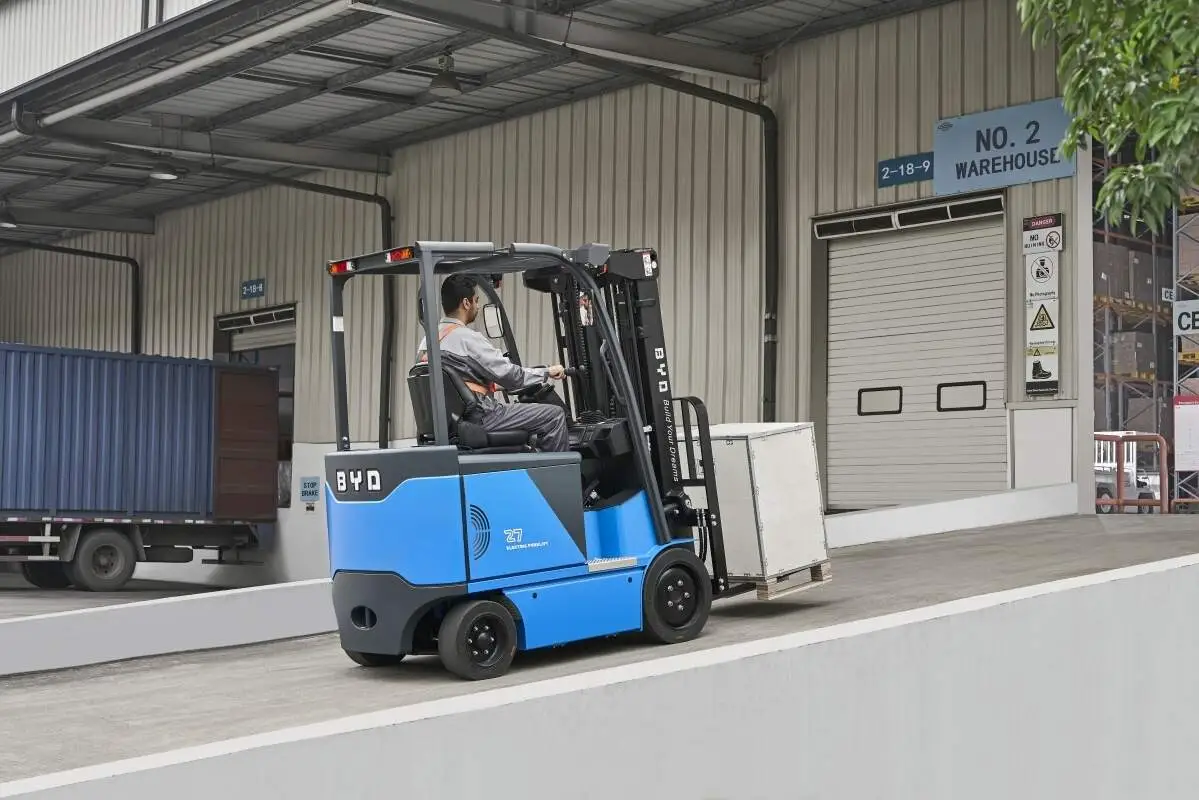
When businesses and small operations seek cost-effective material handling solutions, second hand electric forklifts listed directly by owners have emerged as a practical choice. Unlike dealerships that often add markup for services and overhead costs, private sales can offer more competitive pricing while providing access to detailed, real-world insights into the forklift’s performance.
One of the key advantages of buying from an owner is transparency. Most private sellers have first-hand experience using the forklift and can share specific details about its daily use, maintenance history, and any minor issues it may have encountered. This level of clarity is often harder to obtain from a dealership, where inventory may come from various sources with limited documentation.
Before committing to a purchase, evaluating the forklift’s battery is critical, as it is the most expensive component of an electric forklift. Ask the seller about the battery’s age, number of charging cycles, and whether it has ever been replaced. Request to see charging logs if available, and observe a full charging session if possible to check for unusual delays or power drains. A well-maintained battery can last for years, while a worn-out one may require a costly replacement shortly after purchase.
Next, conduct a thorough inspection of the forklift’s mechanical components. Start with the tires: check for uneven wear, cracks, or punctures that could affect stability during operation. Test the braking system by operating the forklift in a safe, open area to ensure it stops smoothly without pulling to one side. Inspect the hydraulic system for leaks by checking under the forklift and looking for fluid buildup on hoses or connections. Test the lifting mechanism to confirm it raises and lowers loads evenly without unusual noises or jerky movements.
It’s also important to request the forklift’s usage history, including total operating hours and any past repairs. Operating hours can give a clearer picture of the forklift’s wear and tear than just its age, as a forklift used lightly over several years may be in better condition than one heavily used in a short period. If possible, arrange for a certified technician to perform a professional inspection before finalizing the sale; this small investment can help avoid costly surprises down the line.
Finally, ensure all transaction details are documented in a written agreement. The agreement should include the purchase price, condition of the forklift at the time of sale, and any warranties or guarantees offered by the seller. Clarify who is responsible for transportation costs and whether the seller will assist with transferring any necessary registration or documentation.
By taking these steps, buyers can confidently navigate the process of purchasing a second hand electric forklift from an owner, securing a reliable piece of equipment that meets their needs while staying within budget.