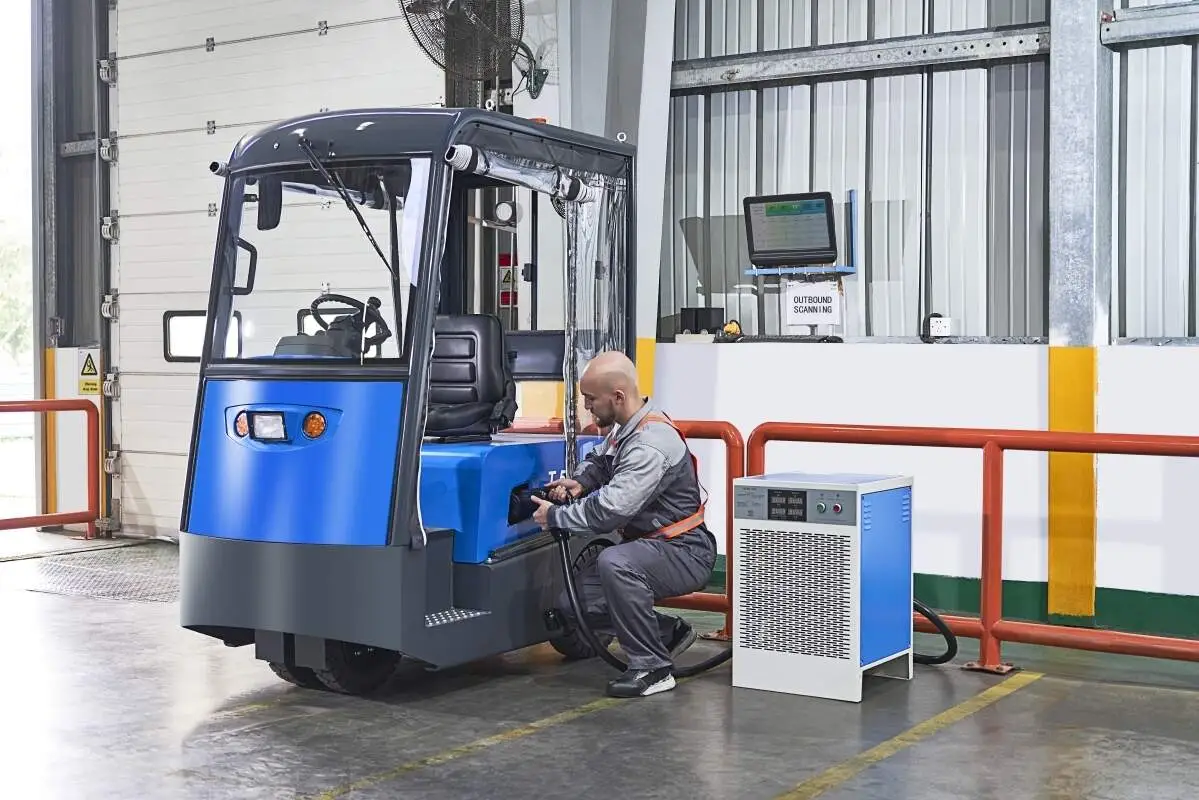
For many small-sized logistics operators, warehouse managers and small manufacturing business owners with limited procurement budgets, choosing a qualified second-hand electric forklift can effectively reduce the initial capital investment while meeting daily material handling demands. However, without systematic reference criteria, many buyers may face hidden risks of device malfunction, unqualified safety performance and extra subsequent maintenance cost during the actual usage.
First of all, buyers need to sort out their actual usage scenarios in advance, including the maximum carrying weight of daily goods, the maximum lifting height required for operation, the average daily working hours and the site ground condition, to avoid purchasing second-hand forklifts with overmatched parameters or insufficient functions that cannot match their actual demands.
Secondly, it is necessary to conduct a full check on the core components of the second-hand forklift, including the power battery attenuation status, the operation sensitivity of the hydraulic lifting system, the brake response performance and the aging degree of the whole vehicle circuit, and test running the device for no less than 15 minutes under no-load and half-load conditions to confirm there is no abnormal noise or malfunction during operation.
Thirdly, buyers should confirm the post-purchase maintenance support scope, spare parts supply channel and after-sales response efficiency before closing the deal, to avoid no available support when the device breaks down in the later usage stage.
As a professional operator that focuses on new energy forklift business, Jian Shu New Energy specializes in electric forklift supply, we can provide professional one-to-one consultation services for budget-focused buyers who have purchasing demands, you can send consultation emails to 17399989919@163.com for further detailed service information.