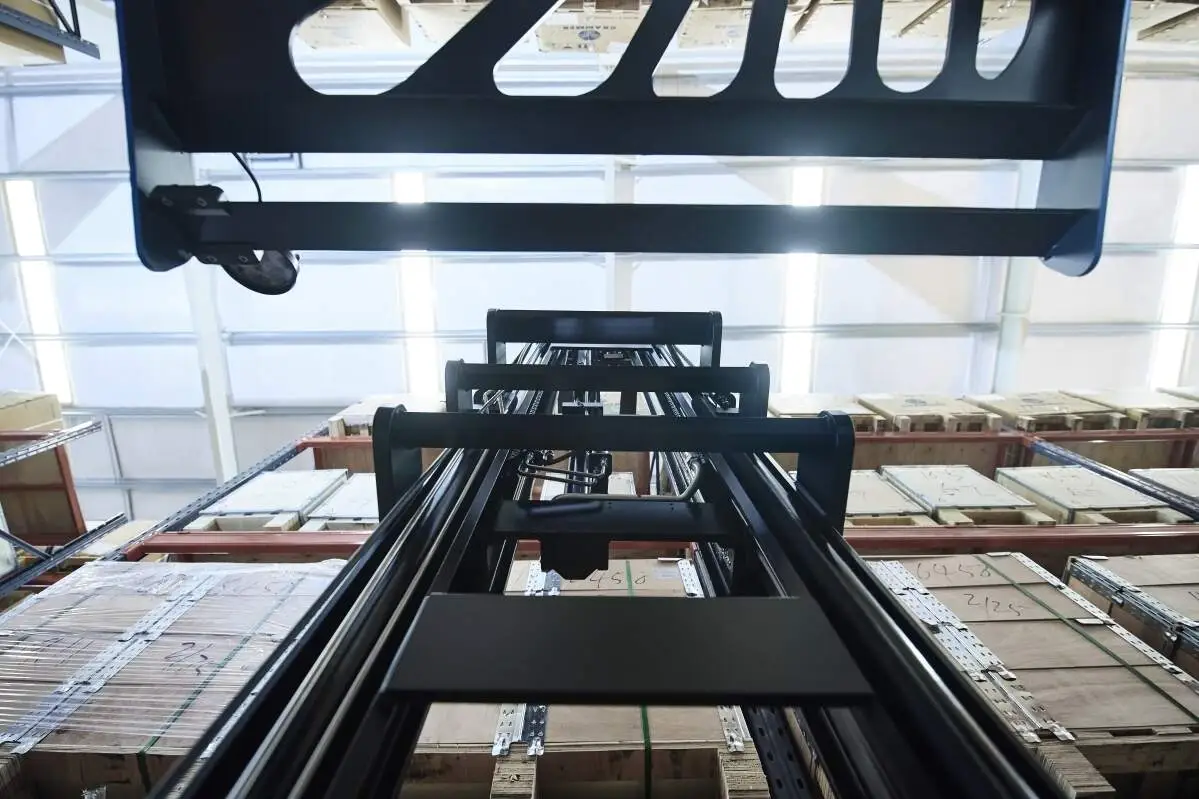
When it comes to electric forklift operations, matching the right fork attachments with the forklift’s load capacity is critical for both safety and operational efficiency. Using mismatched attachments can lead to equipment damage, workplace accidents, and reduced productivity, making this a key consideration for any material handling team.
First, start by assessing your daily load requirements. Take time to analyze the types of goods you regularly handle—whether they are standard pallets, bulky materials, or delicate items. Calculate the maximum weight of your typical loads, and factor in dynamic load variations that might occur during lifting or transporting. This initial assessment provides a clear baseline for choosing attachments that align with your actual operational needs.
Next, familiarize yourself with common fork attachment types and their load implications. Side shift attachments, for example, allow precise positioning of loads without moving the entire forklift, but they add extra weight that must be subtracted from the forklift’s rated load capacity. Clamp attachments are ideal for handling non-palletized goods, but different clamp designs have varying weight limits and compatibility with specific load sizes. Rotating attachments, useful for dumping or tilting loads, also require careful consideration of how their weight and functionality impact the forklift’s overall load-bearing capability.
Once you have a clear understanding of your needs and attachment options, focus on matching attachments to your electric forklift’s specifications. Always refer to the forklift’s manual to confirm its rated load capacity, and ensure that the combined weight of the attachment and the load does not exceed this limit. Additionally, check the compatibility of the attachment with the forklift’s hydraulic system, as many attachments rely on hydraulic power to operate. A mismatch here can lead to reduced performance or even system failure.
Finally, prioritize safety testing and regular maintenance after installing a new attachment. Conduct a series of load tests in a controlled environment to verify that the forklift and attachment work together smoothly, ensuring stability during lifting, lowering, and transporting. Establish a routine maintenance schedule for both the forklift and attachments, including inspections of hydraulic connections, wear parts, and structural integrity, to keep the system operating safely over time.
If you need expert assistance in selecting the right fork attachments for your BYD electric forklift, Jianshu New Energy is here to help. As a professional provider specializing in BYD electric forklifts, our team can offer tailored advice based on your operational needs. Feel free to reach out to us at 17399989919@163.com for more information.