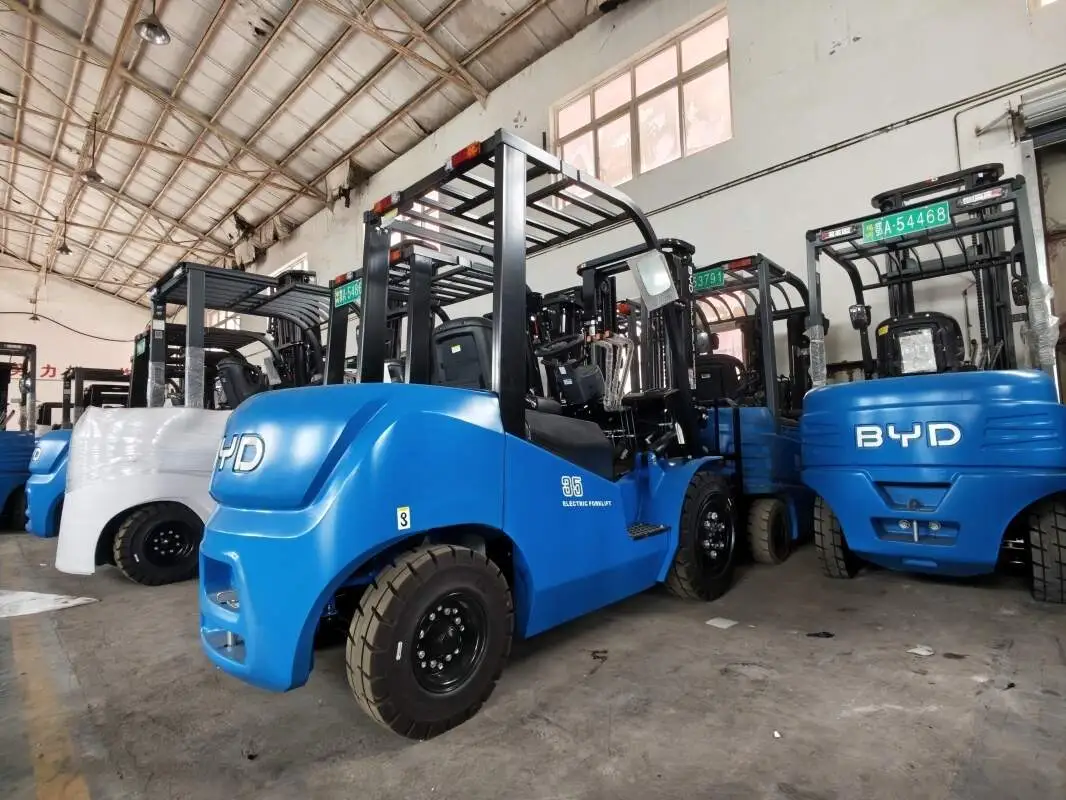
Omni directional wheels forklifts are valued for their exceptional maneuverability, making them ideal for navigating narrow warehouse aisles and tight loading docks. The performance and lifespan of these specialized forklifts depend heavily on choosing the right parts, so a thoughtful selection process is essential.
When evaluating omni directional wheels, start with material and load capacity. Polyurethane wheels strike a balance between durability and floor protection, suitable for most indoor environments where smooth surfaces require minimal scuffing. Rubber wheels offer superior traction for outdoor or uneven terrain, though they may wear faster on hard concrete. Always match the wheel’s load rating to the forklift’s maximum carrying capacity; underrated wheels can lead to premature wear or safety hazards.
Next, focus on drive system components. The motor and transmission parts must be compatible with the forklift’s size and intended use. For frequent heavy-duty operations, opt for high-efficiency motors that reduce energy consumption without sacrificing power. Transmission components should feature robust construction to handle the constant directional changes inherent to omni directional forklifts, ensuring smooth shifts and consistent performance over time.
Control system parts play a critical role in operational precision. Steering controllers and sensor modules should offer responsive feedback, allowing operators to make precise movements even in crowded spaces. Look for components designed to resist dust and moisture, as warehouse environments often expose equipment to these elements. Reliable control parts minimize downtime by reducing the risk of malfunctions that disrupt workflow.
Routine maintenance components should not be overlooked. Air filters, hydraulic fluid filters, and lubrication parts are essential for keeping the forklift running smoothly. Choose filters with high filtration efficiency to prevent contaminants from entering sensitive systems. Lubricants should meet the manufacturer’s specifications to ensure proper component function and reduce friction-related wear. Additionally, prioritize maintenance parts that are readily accessible, as this simplifies upkeep and reduces wait times for replacements.
Finally, consider overall compatibility when selecting parts. Even high-quality components can underperform if they don’t fit seamlessly with the forklift’s existing system. Cross-reference part specifications with the forklift’s manual to ensure a proper match. Investing in well-matched parts not only boosts performance but also extends the forklift’s overall service life, providing long-term value for your operations. By taking these factors into account, you can select omni directional wheels forklift parts that support safe, efficient, and reliable daily operations.