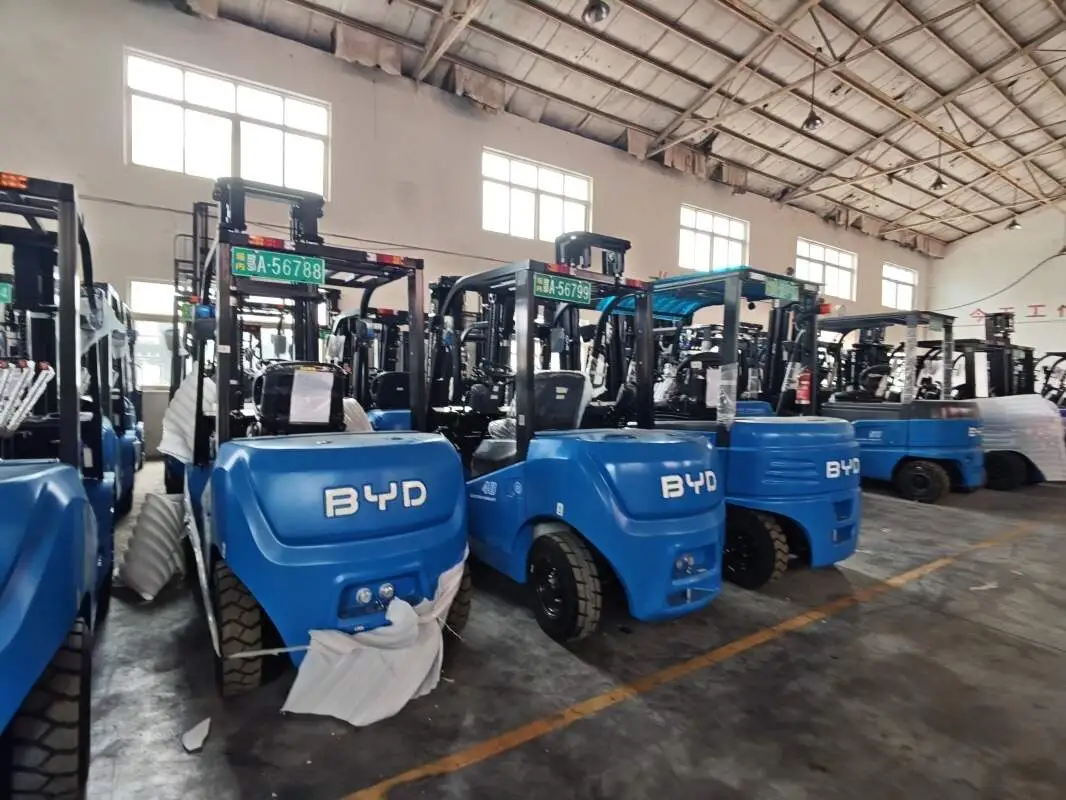
In the fast-paced realm of logistics operations, efficient material handling serves as the backbone of smooth supply chain management. Traditional forklifts often depend on additional equipment or manual support to load and unload cargo, creating bottlenecks that disrupt workflows and increase operational costs. This is where self loading forklifts emerge as a practical, adaptable solution, engineered to simplify cargo handling processes with minimal external assistance.
Self loading forklifts integrate a built-in loading mechanism that enables them to pick up and secure cargo without relying on separate lifting devices. This innovative design eliminates the need for extra manpower or specialized tools, reducing operational delays and cutting down on labor expenses. Whether operating in crowded warehouse floors, busy freight yards, or compact distribution centers, these forklifts navigate diverse environments with ease, adapting to narrow aisles and uneven surfaces to maintain consistent performance.
A key advantage of self loading forklifts lies in their ability to boost operational efficiency. By streamlining the loading and unloading process, they reduce the time spent on each cargo transfer, enabling faster turnaround times for shipments. This efficiency directly translates to improved inventory turnover, as goods can be moved from storage to transport vehicles more swiftly. Additionally, the reduced reliance on manual labor lowers the risk of human error and workplace injuries, enhancing overall safety standards within logistics facilities.
In warehouse operations, self loading forklifts excel at moving pallets and heavy items from storage racks to delivery trucks. Their maneuverability allows them to access tight spaces that traditional equipment cannot reach, maximizing the use of available storage area. For freight forwarding companies, these forklifts simplify cargo loading onto trailers even in remote locations where access to heavy lifting infrastructure is limited. Their versatility extends to handling various cargo types, from standard pallets to irregularly shaped items, thanks to adjustable forks and adaptable loading mechanisms.
As logistics operations continue to evolve, the demand for flexible, cost-effective material handling solutions grows. Self loading forklifts offer a reliable way to address common challenges in cargo management, combining functionality, safety, and adaptability. By integrating these forklifts into daily operations, businesses can streamline their supply chain processes, meet customer delivery timelines more consistently, and maintain a competitive edge in the dynamic logistics landscape.