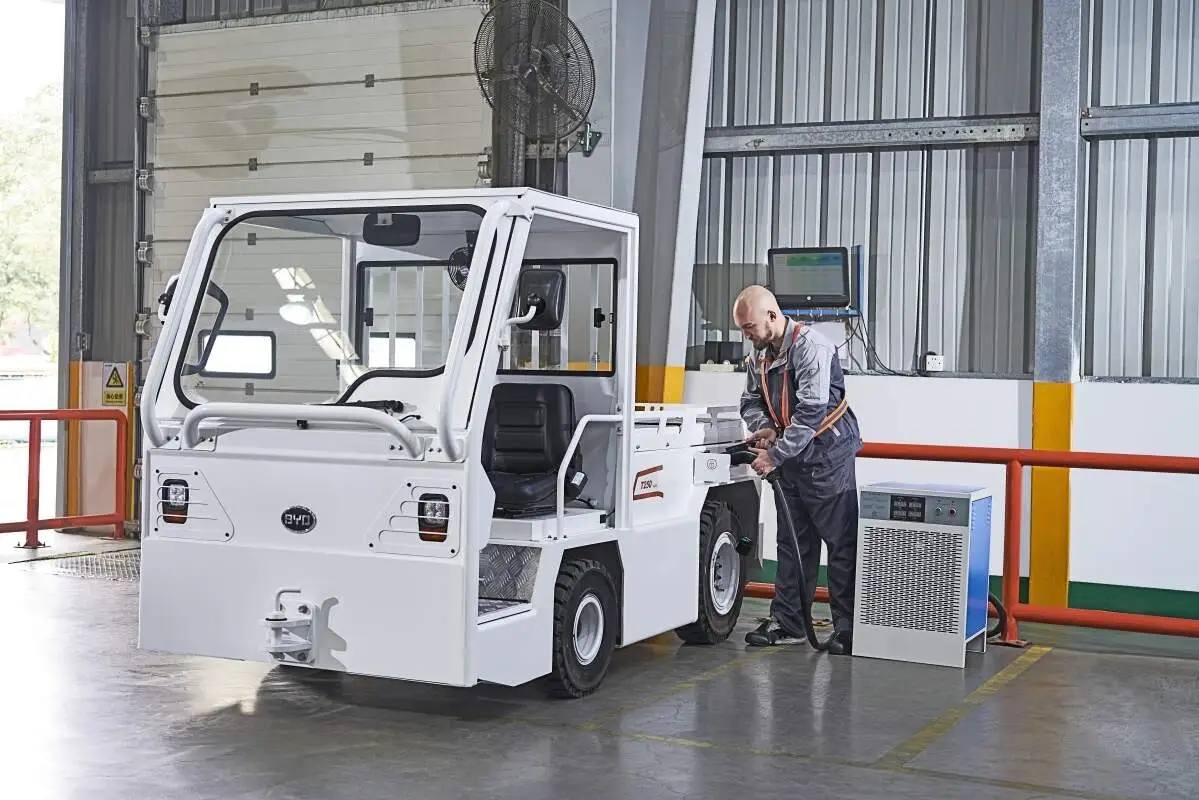
In busy warehouse environments where forklifts are shared across multiple operator shifts, maintaining consistent safety protocols is critical to preventing accidents, protecting personnel, and preserving valuable inventory. Unlike single-operator forklift use, shared equipment introduces unique risks—from inconsistent operation habits to gaps in communication between shifts. Establishing clear, standardized safety protocols addresses these challenges and creates a unified safety culture across all work periods.
Pre-Operation Inspection Mandates
Every operator, regardless of their shift, must complete a thorough pre-operation inspection before using a shared forklift. This covers critical components: brake functionality, tire condition, steering responsiveness, fluid levels (fuel, hydraulic, coolant), and the integrity of safety features like seatbelts, horns, and overhead guards. Operators must document any defects or issues in a centralized logbook near the forklift staging area. If a problem compromises safety, the forklift must be taken out of service immediately, and the maintenance team notified. This step ensures no shift inherits faulty equipment that could lead to incidents.
Structured Shift Handover Communication
Effective communication between outgoing and incoming shifts is a cornerstone of shared forklift safety. At the end of each shift, the operator should conduct a brief handover with the next scheduled operator. They must discuss ongoing forklift issues (like minor performance quirks that don’t yet require maintenance), high-hazard warehouse areas (such as uneven flooring or temporary obstructions), and specific tasks the forklift was assigned to complete. The outgoing operator should also confirm the forklift is parked in its designated area, with the parking brake engaged and the key removed. This process eliminates misinformation and ensures the incoming operator starts their shift with full awareness of equipment status and workplace conditions.
Unified Operation Standards
All operators, whether on day, night, or swing shifts, must adhere to the same forklift operation standards. This includes following zone-specific speed limits (slower in pedestrian-heavy areas or narrow aisles), maintaining safe distances from other vehicles and personnel, and using proper load handling techniques—such as securing loads evenly and avoiding overloading beyond the forklift’s rated capacity. Regular refreshers on these standards should be scheduled for all operators, regardless of tenure, to reinforce consistent practices. This uniformity reduces accidents caused by varying operation styles across shifts.
Post-Use Equipment Care
After completing their shift, operators are responsible for returning the forklift to its designated spot in a clean, functional state. This includes removing debris from forks or body, refueling or recharging following safety guidelines, and ensuring all controls are in neutral. Taking these steps ensures the next shift’s operator doesn’t waste time addressing avoidable issues and can start tasks safely and efficiently.
Regular Safety Reviews and Feedback
To continuously improve protocols, warehouses should hold monthly cross-shift safety meetings where operators from all shifts share experiences, report near-miss incidents, and suggest guideline updates. These meetings address emerging hazards and keep safety protocols relevant to evolving operations. Periodic audits of forklift use across shifts should also be conducted to verify compliance and identify areas for additional training.
By implementing these structured protocols, warehouses can significantly reduce accident risks, protect their workforce, and maintain smooth, efficient operations around the clock. Consistency in inspection, communication, operation, and feedback is key to fostering a safe environment where every operator feels confident using shared forklift equipment.