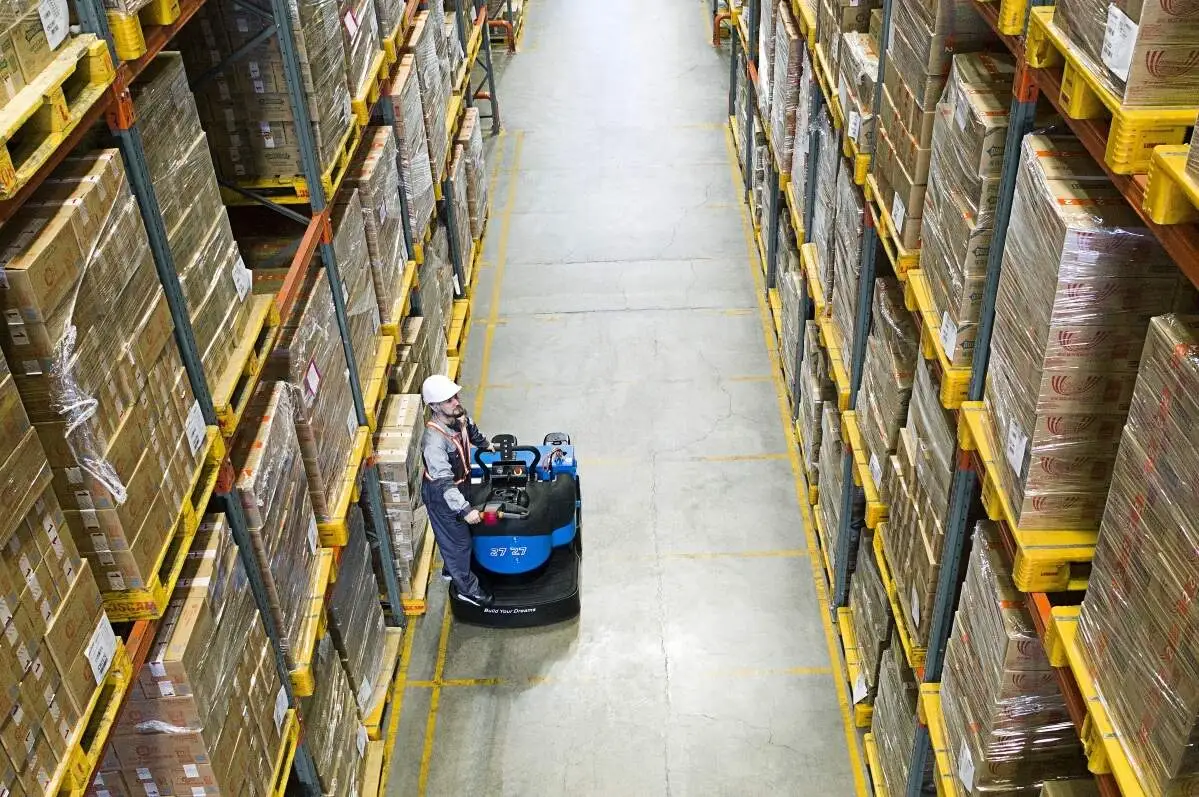
When navigating narrow aisle warehouses or storage facilities, swing mast forklifts stand out as versatile solutions for efficient material handling. If you’re in the market for an electric swing mast forklift, following structured shopping tips can help you select a unit that aligns with your operational needs and long-term goals.
Start by assessing your core operational requirements. Measure the width of your warehouse aisles, as swing mast forklifts are designed for tight spaces, but models vary in minimum aisle width compatibility. Determine the maximum weight of loads you’ll regularly handle and the required lifting height, as these parameters will narrow down options suitable for your storage rack configurations. Also, consider daily operation hours to evaluate battery life and charging needs for electric models.
Next, focus on the swing mast’s performance. Check the mast’s swing angle range, which typically varies to accommodate different aisle layouts. A smooth, stable swing mechanism is crucial to avoid load shifts or collisions with racking during turns. Test how easily the mast rotates and locks into position, ensuring it operates without excessive noise or resistance—indicators of reliable engineering.
Maneuverability is another key factor. Look for compact body dimensions and a tight turning radius to ensure the forklift can navigate corners and narrow spaces without difficulty. Evaluate the ergonomics of the control system, such as intuitive joysticks or steering wheels, which can reduce operator fatigue during long shifts. Clear visibility from the operator’s seat, including unobstructed views of the load and surrounding area, is also essential for safe operation.
Energy efficiency and maintenance requirements should not be overlooked. For electric models, consider battery type—lead-acid or lithium-ion—and compare their charging times, cycle life, and overall energy consumption. Research the availability of replacement parts and the frequency of routine maintenance, such as mast lubrication and brake inspections, to estimate long-term operational costs.
Prioritize safety features to protect both operators and inventory. Look for integrated overload protection systems that prevent the forklift from handling loads beyond its capacity. Anti-slip brake systems, emergency stop buttons, and bright LED lighting for low-light environments are additional features that enhance workplace safety.
Finally, always request a test operation before finalizing your purchase. Operating the forklift in a setting similar to your warehouse allows you to assess its performance firsthand, ensuring it meets your specific needs and operates smoothly under real-world conditions.
By taking these factors into account, you can make an informed decision when selecting an electric swing mast forklift, optimizing your material handling processes and supporting long-term operational efficiency.