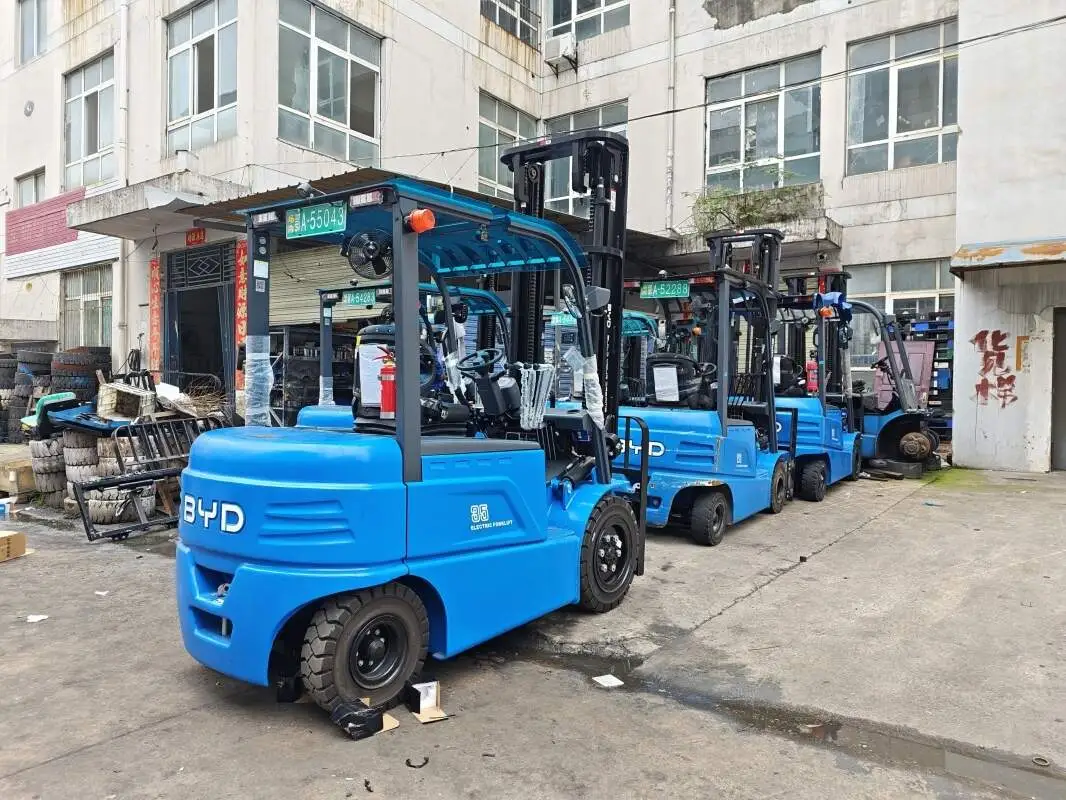
Hydraulic systems are critical components of electric forklifts, powering essential functions like lifting loads and tilting forks. Maintaining the correct hydraulic fluid level is key to ensuring smooth operation, preventing premature wear, and avoiding costly repairs. Below are simple, easy-to-follow steps to inspect hydraulic fluid levels on your electric forklift, helping you keep your equipment in top condition.
Prepare the forklift for Inspection
Before beginning any inspection, prioritize safety and accuracy. Park the forklift on a flat, level surface to ensure an accurate fluid level reading. Turn off the forklift's power and engage the parking brake to prevent unintended movement. Allow the forklift to sit for at least 10 to 15 minutes; this gives time for hydraulic fluid to settle back into the tank, ensuring you get a precise measurement. Avoid checking the fluid immediately after operating the forklift, as circulating fluid can lead to inaccurate readings.
Locate the Hydraulic Fluid Tank
The hydraulic fluid tank is typically located in the main compartment or near the rear of the electric forklift, though exact placement may vary by model. Look for a tank with a labeled cap that indicates it holds hydraulic fluid. Before removing the cap, wipe the area around it with a clean cloth to prevent dirt, dust, or debris from entering the tank—contamination can damage the hydraulic system over time.
Check the Fluid Level
Once the cap is removed, you’ll find either a dipstick attached to the cap or a transparent sight gauge on the side of the tank. If using a dipstick, pull it out, wipe it clean with a lint-free cloth, reinsert it fully, and then pull it out again to read the level. The fluid should sit between the minimum (min) and maximum (max) marks on the dipstick. For sight gauges, simply look through the gauge to ensure the fluid level falls within the designated range. If the level is below the minimum mark, you’ll need to add the recommended type of hydraulic fluid to bring it up to the correct level. Always refer to your forklift’s manual to identify the right fluid specification, as using the wrong fluid can cause system malfunctions.
Complete Post-Inspection Tasks
After verifying the fluid level, securely replace the tank cap to prevent leaks or contamination. If you added fluid, double-check that the cap is tight. Clean up any spilled fluid immediately, as hydraulic fluid can be slippery and pose a safety hazard. It’s also a good practice to document the inspection date and fluid level in your forklift’s maintenance log; this helps track trends and ensures you stay on top of regular maintenance schedules.
Regularly inspecting hydraulic fluid levels is a simple yet vital part of electric forklift maintenance. By following these steps, you can extend the lifespan of your forklift, reduce the risk of unexpected breakdowns, and keep operations running efficiently. If you need further guidance or support with your electric forklift maintenance, reach out to Jianshu New Energy, a trusted provider of electric forklifts and related services. You can contact us via email at 17399989919@163.com for professional assistance tailored to your needs.